

Changes to SNAP Funding Structure: Federal Support Reduction Shifts Costs to States
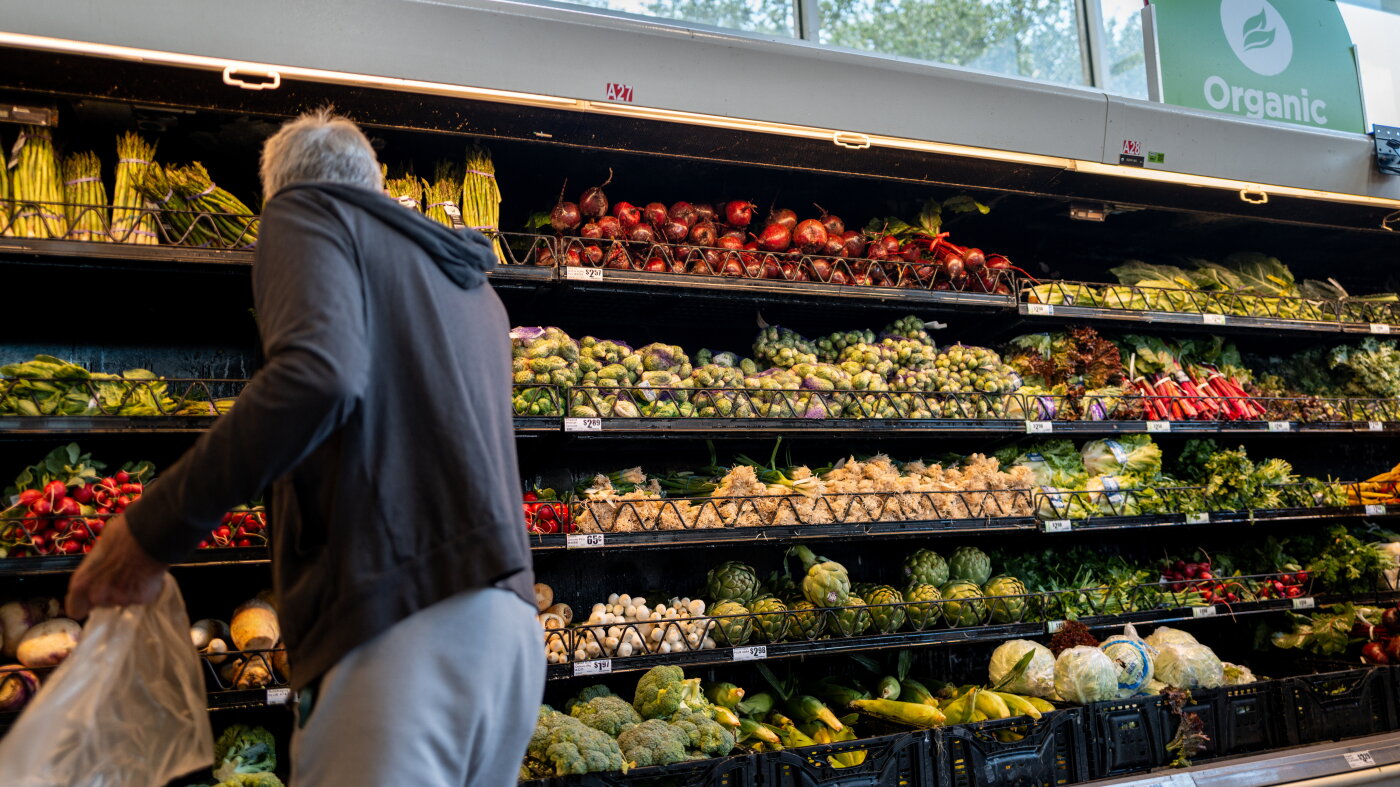
A customer shops for produce in an H-E-B grocery store in Austin, Texas, on May 11. Brandon Bell/Getty Images
Overview of SNAP Changes
The Supplemental Nutrition Assistance Program (SNAP) is set for significant adjustments in its funding model, which will see a reduction in federal support. This restructuring will require states to cover an increasing portion of program costs.
Funding Adjustments Explained
Traditionally, the operational expenses of SNAP have been equally divided between federal and state governments. However, effective immediately, states will need to assume 75% of these costs, while federal contributions are expected to decrease by 50%.
According to federal estimates, this new regulation will result in a total reduction of $16.9 billion in federal spending on SNAP over a five-year period, translating to an annual decrease of approximately $3.4 billion.
State Financial Implications
The Food Research & Action Center, an organization dedicated to combatting hunger, has projected that individual states may find it necessary to augment their budgets by anywhere from $3 million to $670 million to compensate for this loss in federal funding. States like California, New York, Texas, Pennsylvania, and Michigan are anticipated to be disproportionately affected.
In preparation for these changes, state governments have been recalibrating their budgets in the past year, but further financial constraints are likely as additional funding modifications come into play.
Future Challenges
Starting in October 2027, states will possibly have to partially fund food assistance if their error rates—measured through overpayments and underpayments to SNAP beneficiaries—meet or exceed 6%. The Center on Budget and Policy Priorities estimates that as many as half of the states could incur costs upwards of $100 million each under this stipulation, with California and New York facing potential liabilities exceeding $1 billion.
A recent report from the Georgetown Center on Poverty and Inequality indicates that these structural changes could necessitate states to spend two to three times more to sustain the food assistance program.
Potential Reactions from States
According to Katie Bergh, a senior policy analyst at the Center on Budget and Policy Priorities, states may have to explore new revenue sources, cut funding to other programs, or impose stricter access regulations for SNAP as a result of these escalating costs. “And we may see some states decide that they need to withdraw from the program entirely,” Bergh stated.
Legislative Background
These funding changes originated from the One Big Beautiful Bill Act, signed into law in July 2025 during President Trump’s administration. The administration claims that this legislation strengthens and preserves the food assistance program, criticizing the previous structure for being excessive and suggesting it limited resources for those in genuine need.
Bergh countered that the prior funding arrangement held significant merit, as it ensured access to benefits for eligible families living in states with high poverty rates or limited tax bases.
Current and Future Assistance Trends
The U.S. Department of Agriculture, responsible for SNAP oversight, has yet to provide a comment on these developments. Notably, the One Big Beautiful Bill also implemented stricter work requirements and eliminated eligibility for a small segment of noncitizens who had previously qualified for food aid. As a result, SNAP participation has declined from 42 million to about 36 million since the start of Trump’s second term, with most of this decrease occurring following the enactment of the aforementioned legislation.
