

Tennessee Execution Attempt of Christa Pike Halts Amid Controversy
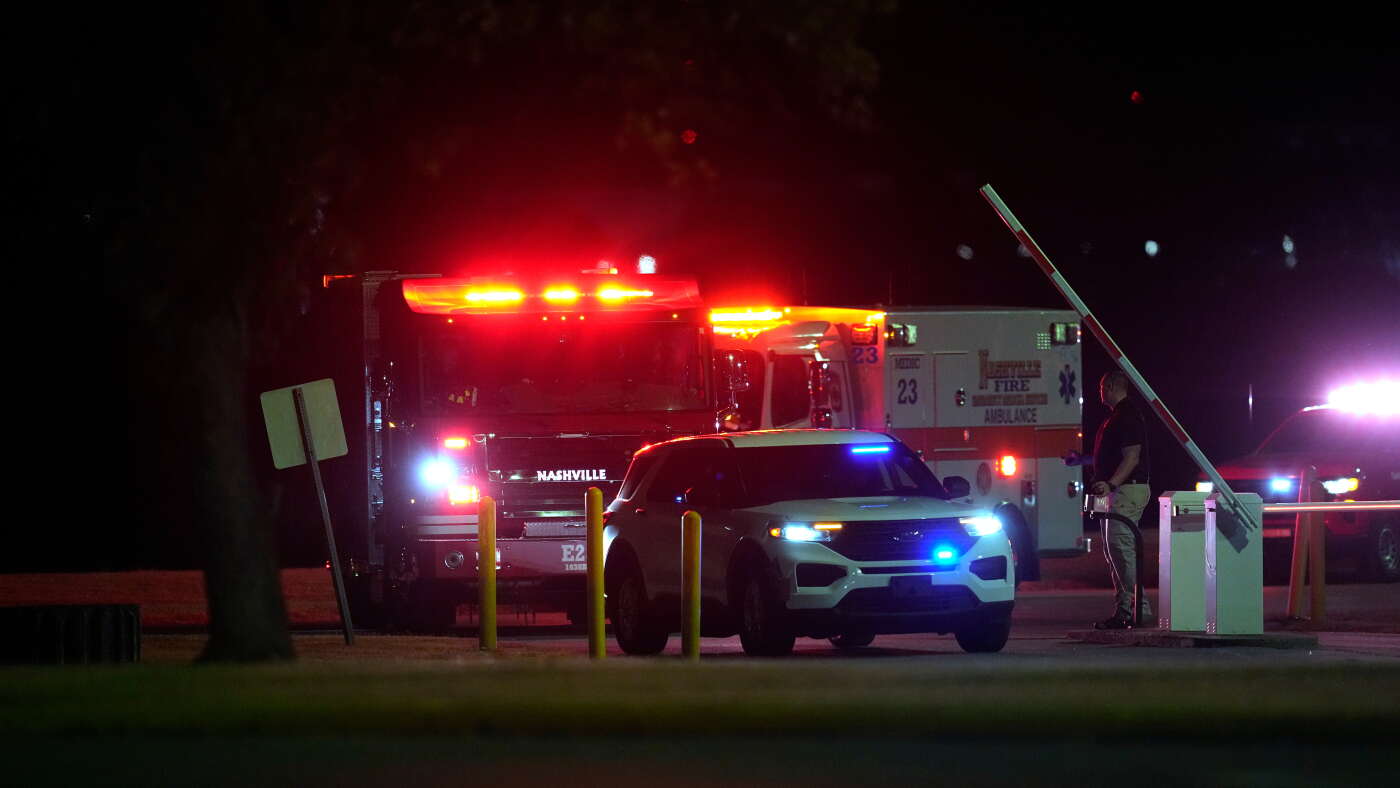
Nashville, Tenn. — The execution of Christa Gail Pike, scheduled for September 30, 2026, was halted after officials attempted a lethal injection without success, drawing significant media attention and raising questions about state protocols.
Incident Overview
During the execution, two doses of the lethal drug pentobarbital were administered, but Pike did not die; instead, she was reported to be alive and snoring audibly, prompting her transfer to a hospital for further monitoring. Pike’s attorneys expressed concern for her well-being, stating they had not received details about her condition.
At 50 years old, Pike, who committed murder at the age of 18, was poised to become the first woman executed in Tennessee in over 200 years. Despite an appeals court initially issuing a stay just before the execution was to unfold, the U.S. Supreme Court later lifted that order.
Government Response and Review
Tennessee Governor Bill Lee declared a comprehensive review of the incident, asserting the importance of conducting executions in a legal, constitutional, and effective manner. “Carrying out a lawfully imposed sentence is among the State’s most serious responsibilities,” he stated.
The Tennessee Department of Correction maintained that all legal protocols were followed during the execution attempt. However, the outlined procedures did not clarify the next steps if the inmate remained alive after the second dose of the drug, leading to questions about the adequacy of existing execution protocols.
Expert Commentary
Robin M. Maher, the executive director of the Death Penalty Information Center, characterized Pike’s situation as both “singular and unparalleled” in the context of execution attempts. Historically, while several individuals have survived due to complications accessing veins for lethal injection, none have survived after receiving the lethal drugs themselves.
Eyewitness Accounts and Legal Challenges
Media witnesses described a chaotic scene as Pike, at that moment strapped to a gurney, expressed calmness and claimed to be at peace. Her last words indicated a sense of resignation. However, she continued to exhibit signs of life long after the administration of the drugs, raising alarms about the humane execution protocol. By 8:26 p.m., after the second drug dose, significant snoring was reported until the microphone feed was cut at 8:53 p.m.
Pike’s legal team quickly filed emergency motions to halt the execution, arguing that she was experiencing undue suffering, which could violate her rights against cruel and unusual punishment. This marks the second unsuccessful execution attempt in Tennessee within a year.
Impact of the Case on the Death Penalty Debate
The case has reignited discussions on the application of the death penalty, particularly in cases involving young offenders. Advocacy groups argue for reconsideration of death sentences, particularly given Pike’s age at the time of the crime and mental health issues diagnosed subsequently.
On the day of the scheduled execution, May Martinez, mother of the victim Colleen Slemmer, stated her long-held desire to witness Pike’s execution and how the case has impacted her life. The brutal nature of the crime, which included signs suggesting satanic ritualistic elements, contributed to its notoriety and public interest.
Legal Proceedings and Historical Context
Pike and her boyfriend were convicted for the murder of 19-year-old Slemmer in 1995, where elements of the crime invoked fears associated with the “satanic panic” era. While her boyfriend received a life sentence, Pike was uniquely sentenced to death.
Since the reinstatement of the death penalty in 1976, women have made up a small fraction of those executed in the U.S.—only 18 women, illustrating the rarity of such cases.
