

Christa Pike’s Failed Execution: An Overview
Tennessee attempted to execute Christa Pike, the only woman on death row in the state, on Wednesday, but the process did not go as planned. This surprising outcome followed a favorable Supreme Court decision that cleared the way for her execution.
Execution Attempt and Immediate Aftermath
After the administration of lethal drugs, Pike was observed to be alive, causing significant distress among witnesses in the death chamber. Journalists reported hearing unusual sounds, including what was described as snoring and audible complaints from Pike about her pain level.
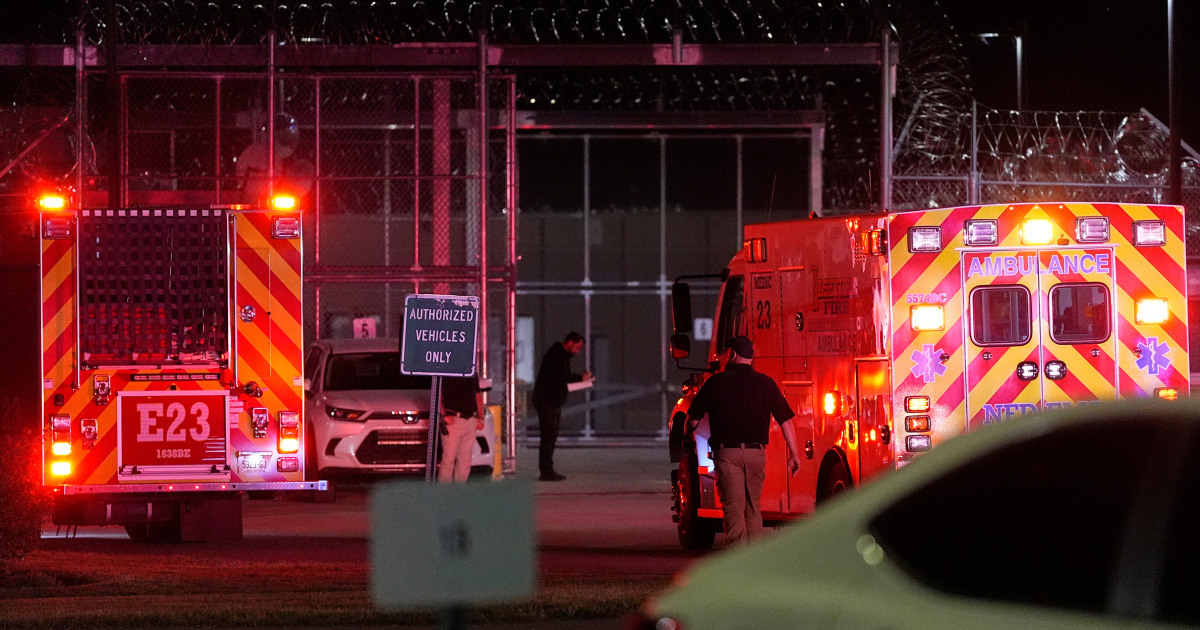
Pike’s legal team later stated that witnesses saw executioners inject the lethal chemicals, yet Pike was still alive, with a maintained heartbeat and consciousness. Following the incident, she was transported to an off-site medical facility for treatment, though her exact condition remains uncertain.
Background on Christa Pike
At 50 years old, Christa Pike was convicted in 1995 for the murder of her classmate, Colleen Slemmer, when she was only 18. The murder case was notorious for its brutality and alleged ties to occult activity, with Pike reportedly bragging about keeping a piece of the victim’s skull as a “souvenir.”
Reactions to the Execution Attempt
Victim Colleen Slemmer’s mother, May Martinez, expressed outrage at the botched execution, stating, “It was a mess.” Martinez supported the execution and criticized state officials for the lack of communication regarding the incident. She noted that there was no indication during the execution process that Pike exhibited any remorse for her actions.
In light of the execution attempt’s failure, Tennessee Governor Bill Lee announced that a comprehensive, third-party review would take place to understand what occurred during the procedure. He indicated that the last scheduled execution of the year would not be carried out, reflecting on the broader implications for the state’s execution protocol.
An Unprecedented Situation
Tori Gessner, a reporter who has covered previous executions, remarked on the abnormality of the situation, emphasizing that “nothing about today was normal.” Witnesses noted instances where Pike expressed feelings of discomfort during the administration of the lethal drugs, further complicating the narrative surrounding the execution process.
Legal Maneuvering and Delays
Prior to the execution, an appeals court temporarily blocked the attempt to give her legal team time to address claims of childhood sexual abuse, a critical aspect of Pike’s defense. The Supreme Court ultimately denied the request for a stay, allowing the preparations for the execution to proceed.
Future Implications
Pike’s case has raised significant debate regarding capital punishment, mental health, and the treatment of juvenile offenders. Advocates for Pike argue that her mental state and the severe abuse she experienced in childhood should warrant reconsideration of her death sentence.
As the situation develops, the Tennessee Department of Correction has not indicated if or when they may attempt to conduct another execution. The discussion continues over how this incident will influence future capital punishment practices in the state.
For further developments in this case, follow court proceedings and related news updates.
