


Political Landscape for Palestinian Candidates in Israel’s Upcoming Elections
Controversy Surrounding Sami Abu Shehadeh
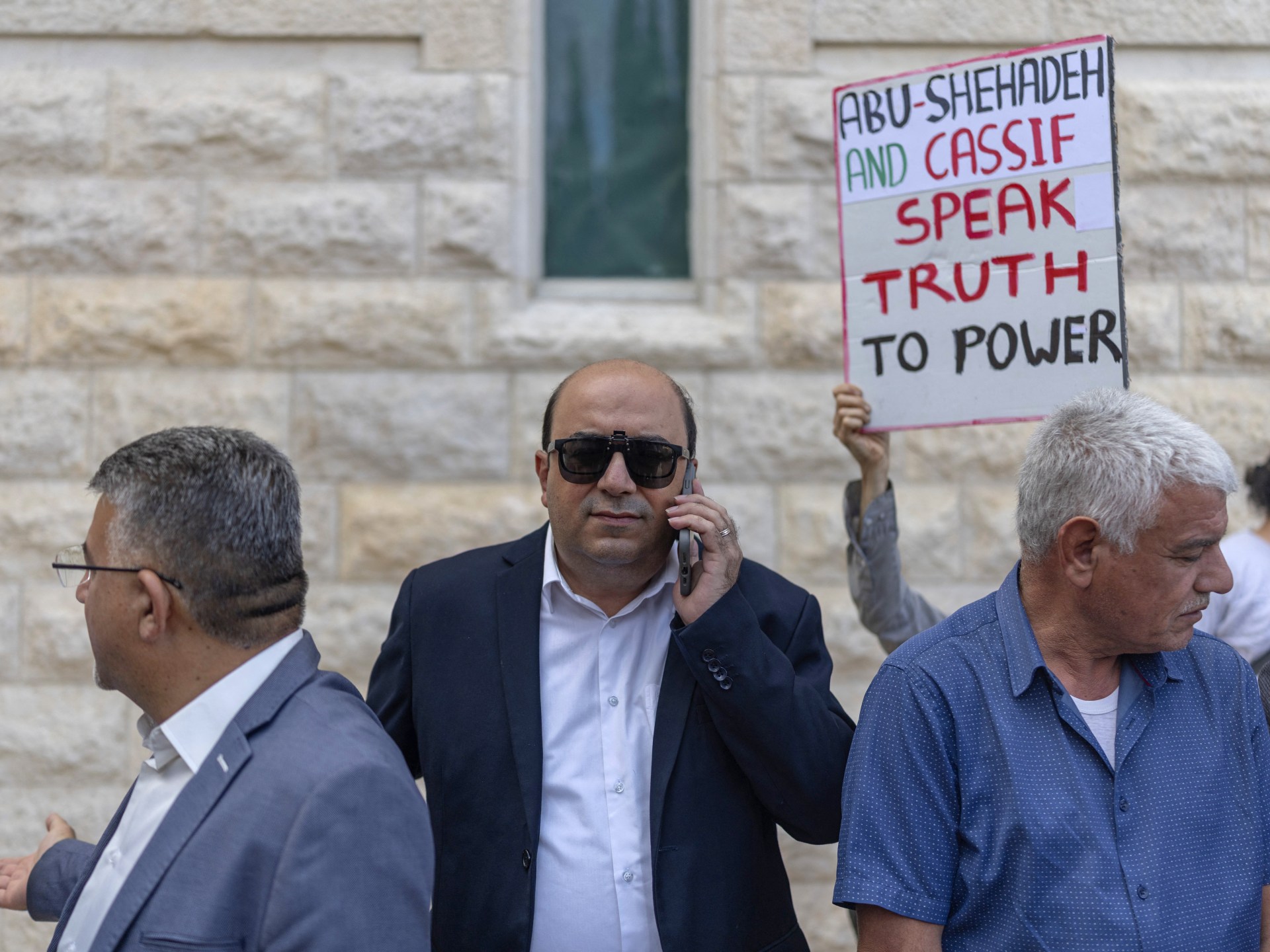
Sami Abu Shehadeh, leader of the Balad party and a prominent Palestinian-Israeli politician, has recently stepped back from pursuing a seat in the upcoming elections due to legal pressures related to his remarks concerning the Gaza conflict. The Israeli Supreme Court indicated that he could face disqualification if he continued to compete for election, prompting his withdrawal, which he described as “a historical catastrophe for democracy.”
Legal Challenges and Allegations of Double Standards
Abu Shehadeh’s candidacy faced scrutiny from Israel’s Central Elections Committee following comments he made in an article published shortly after Hamas’s assaults on Israel on October 8, 2023. The committee deemed his statements potentially supportive of armed struggle, with the Attorney General backing this view.
In stark contrast, far-right politicians such as National Security Minister Itamar Ben-Gvir have faced no repercussions despite their inflammatory statements advocating violence against Palestinians. Critics argue that the electoral system discriminates against Arab candidates while shielding far-right representatives, leading to claims of a double standard within Israeli democracy.
Abu Shehadeh’s Background and Political Stance
Hailing from Jaffa, Abu Shehadeh is a historian dedicated to advocating for equal rights within Israel. His party, Balad, is known for its Palestinian nationalist stance. After serving in the Knesset from 2019 to 2022, his withdrawal from the current electoral race highlights the ongoing struggles faced by Palestinian citizens seeking representation in a predominantly Jewish political landscape.
The Supreme Court’s Rulings on Candidate Disqualifications
The Supreme Court has previously overturned decisions barring candidates from the Joint List and other Arab-majority election lists, indicating some judicial oversight in favor of these parties. However, Abu Shehadeh’s case remains contentious, as he accuses the judiciary of yielding to political pressures from the far-right.
“Someone [Ben-Gvir] who was calling for starving people to death in Gaza… was able to disqualify me, a human rights activist for three decades,” Abu Shehadeh stated.
Incendiary Rhetoric from Far-Right Leaders
Petitions to disqualify Ben-Gvir and Finance Minister Bezalel Smotrich, who have both engaged in incendiary rhetoric against Palestinians, were rejected by the Central Elections Committee. This response intensifies allegations of a dual application of the law—one for Jewish politicians and another for their Arab counterparts.
Recent remarks from Ben-Gvir about “voluntary emigration” for Palestinians from Gaza and Smotrich’s support for the annexation of the occupied West Bank have continued to spark international condemnation without any electoral consequences for these leaders.
The Broader Implications for Palestinian Political Participation
The situation has raised important questions about the nature of democracy in Israel, particularly regarding its treatment of Palestinian citizens. Political analysts, including Ahmed Najjar, have pointed out that the disparity in treatment undermines the credibility of Israel’s democratic claims, suggesting a systemic bias against Arab representation.
Data indicates that Palestinian citizens make up approximately 20% of Israel’s population, yet their electoral turnout historically lags behind that of Jewish citizens. With barriers such as the need for a minimum percentage of votes to secure parliamentary representation, smaller Arab parties often combine forces to retain their presence in Israeli politics.
Conclusion
The withdrawal of Sami Abu Shehadeh from the electoral race exemplifies the significant hurdles faced by Palestinian candidates within the Israeli political structure. As the election draws near on October 27, the ongoing accusations of double standards and systemic discrimination against Palestinian politicians remain a critical issue, highlighting the complexities of seeking equitable representation in a polarized political environment.