


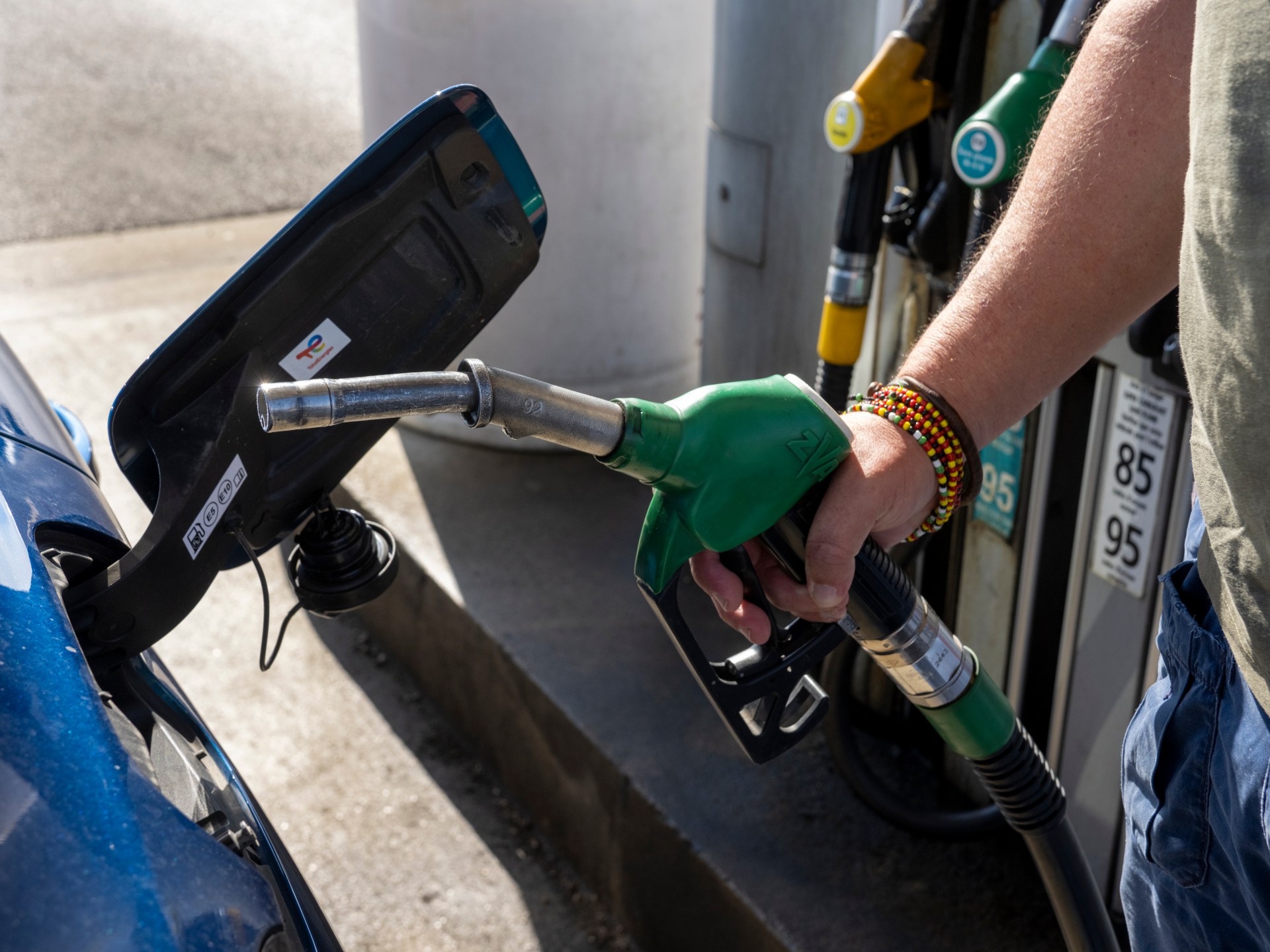
G7 to Release 100 Million Barrels of Oil and Diesel to Combat Rising Energy Prices
In a coordinated response to escalating energy prices, the Group of Seven (G7) nations have reached an agreement to release 100 million barrels of crude oil and diesel from their emergency reserves. This move comes amid pressure from various global economic factors, including ongoing conflicts in the Middle East and Eastern Europe.
Factors Behind the Energy Price Surge
Energy prices have surged significantly in recent months, primarily due to two geopolitical conflicts: the United States and Israel’s conflict with Iran, and Russia’s invasion of Ukraine. These events have led to substantial disruptions in global oil and diesel supplies.
As highlighted by Hamad Hussain, an economist at Capital Economics, while the G7’s emergency release may offer temporary relief by exerting downward pressure on prices, it does not address the underlying supply constraints. “The impact would be short-lived given that this is just a temporary solution to the supply crunch,” he noted.
Recent data reports from the American Automobile Association (AAA) indicate that the average price for a gallon of diesel in the U.S. has risen sharply, peaking at $6.50, a significant increase from $5.61 just a month prior.
Details of the G7 Announcement
Following a video conference led by French President Emmanuel Macron, the G7 nations—including Canada, France, Germany, Italy, Japan, the United Kingdom, and the United States—along with the European Union, agreed to initiate a substantial release of diesel within the next 20 days. The full release of the planned 100 million barrels will occur over the next four months.
The exact contributions of each G7 member towards this release have yet to be detailed, but discussions for possible additional releases are ongoing. The group emphasized the importance of coordinating refinery maintenance schedules across member countries to optimize production capacity during this period.
Impact on Global Energy Markets
The G7’s move is anticipated to potentially lessen the strain on energy prices. French President Macron expressed optimism that the release would contribute to lowering petroleum product prices, particularly for diesel. Despite an initial drop in Brent crude prices following the announcement, analysts suggest that this relief may be temporary.
Naeem Aslam, chief investment officer at Zaye Capital Markets, remarked, “The G7 energy release was very much needed. However, the announcements merely serve to ease market pressure rather than provide a comprehensive solution.” Analysts warn that the fundamental issue of inadequate global supply remains unresolved, following ongoing conflicts that continue to disrupt production and logistics.
The Context of Soaring Diesel Prices
Multiple factors have contributed to the current high levels of diesel prices worldwide. Notably:
- Middle Eastern Exports: Limited diesel shipments from the Middle East to Europe, particularly from Saudi Arabia and Kuwait, have exacerbated shortages.
- Impact of the Ukraine Conflict: Russian diesel exports have sharply declined due to ongoing attacks on its refineries by Ukraine.
- Asian Export Limitations: China has also halted diesel exports, compounding the global supply issues.
High diesel demand persists, particularly tied to agricultural activities, further stretching available supplies. The U.S. remains the largest diesel producer globally, with Russia and Saudi Arabia following closely behind.
U.S. Domestic Concerns and Administration Reactions
In light of rising diesel prices, President Trump publicly urged European nations to utilize their emergency reserves and indicated a potential ban on U.S. diesel exports as a lever to motivate action. However, he later clarified that such a ban was off the table, emphasizing cooperation instead.
Trump’s comments reflect rising concerns among U.S. leaders regarding the political ramifications of soaring energy costs, especially ahead of looming midterm elections. Furthermore, rising diesel prices pose a broader economic concern, impacting production costs in various sectors, particularly in agriculture and logistics.