


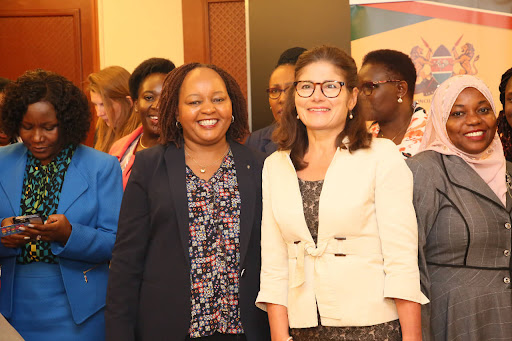
Empowering Women in Kenyan Politics for the 2027 Elections
The Legacy of Women in Kenyan Politics
Kenyan women have a robust history of challenging the status quo in politics, with pioneers like Chelagat Mutai and Phoebe Asiyo paving the way for future leaders. Figures such as Wangari Maathai and Martha Karua have shown that dedication, political strategy, and voter engagement are key to overcoming gender barriers.
Opportunities for the Next Generation
As the nation prepares for the upcoming 2027 elections, there is a crucial need for more women to assert their candidacy. However, the challenge lies not only in securing votes but also in navigating political party dynamics, which can sometimes hinder their participation.
Calls for Inclusive Political Structures
For real progress to occur, it is vital that political parties reform their nomination processes. This includes dismantling entrenched male networks that create barriers for women and offering authentic opportunities for competition in winnable districts.
Merely acknowledging women at political events is insufficient; tangible support must be shown through equitable representation on party tickets, provision of campaign resources, and inclusion in leadership roles.
The Importance of the Two-Thirds Gender Rule
Adhering to the two-thirds gender rule is not merely a legislative recommendation but a constitutional obligation. It is imperative that both the state and political entities embrace this commitment seriously and work toward practical measures that foster inclusivity.
While affirmative action is crucial to leveling the playing field, it should supplement—not replace—the political achievements of women based on their own merit.
A Call to Action
The time has come to turn commitments into action. Women are encouraged to rise and make their political ambitions known. Political parties must ensure that their frameworks support this newfound enthusiasm, and the state must fulfill its constitutional duties to empower women.
In the upcoming elections, Kenyan women should not only participate as voters but also as candidates aiming to lead and govern.
