

Magnitude 4.2 Earthquake Strikes Puget Sound Region
SEATTLE — A magnitude 4.2 earthquake occurred in the Puget Sound region on Tuesday afternoon, as reported by the U.S. Geological Survey (USGS).
Details of the Earthquake
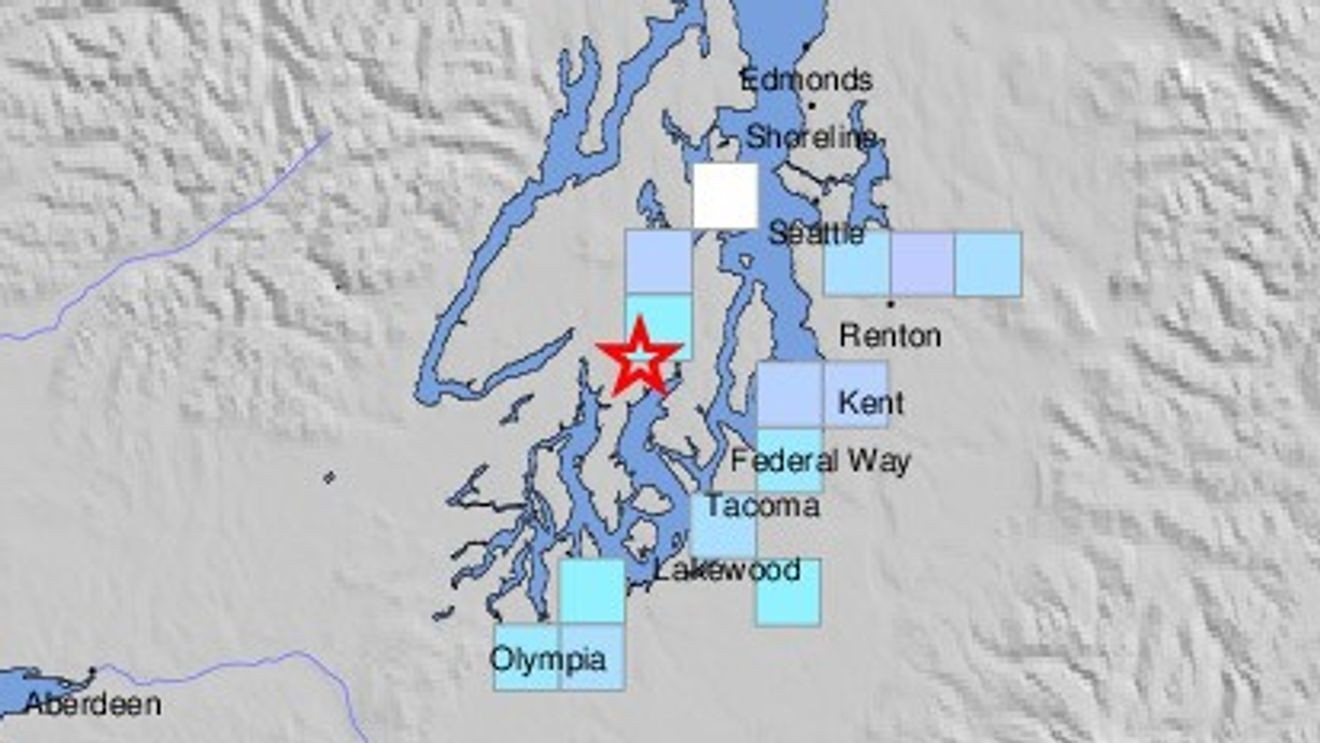
The earthquake took place at 2:05 p.m., with the epicenter located approximately 3.4 miles west-northwest of Wauna, Washington. The tremor struck at a depth of around 26 kilometers (approximately 16 miles).
Geographically, the center of the quake was about 8.3 miles north-northwest of Artondale, nearly 10 miles south-southwest of Port Orchard, and about 12 miles south-southwest of Bremerton. Additionally, it was situated roughly 27 miles north-northeast of Olympia.
Immediate Impact and Response
As of now, there have been no immediate reports of injuries or structural damage, and importantly, no tsunami threat has been issued. In the aftermath of the quake, Sound Transit announced that the 1 Line trains would be sharing one track at Angle Lake Station until further notice due to the seismic activity. Passengers were advised to board all trains at the Federal Way Downtown platform.
Community Reaction
Witnesses in areas such as Seattle, Tacoma, Olympia, and Bremerton experienced minor shaking, according to the Pacific Northwest Seismic Network (PNSN). The ShakeAlert Earthquake Early Warning System detected the quake but did not send out alerts through mobile phones, as it was assessed to be too small.
Within thirty minutes of the quake, thousands of residents reported their experiences via the USGS’s “Did You Feel It?” portal.
What Does it Feel Like?
According to the USGS, a nearby large earthquake typically feels like a sudden jolt followed by intense shaking lasting from several seconds to minutes. If you felt this quake, you can submit your experience to the USGS.
“The shaking will feel violent, and it will be difficult to stand up,” the USGS stated. “The contents of your house will be a mess.”
If you are farther from a large earthquake, the shaking might feel more like a gentle bump that transitions into rolling motions. In the context of small earthquakes, being near the epicenter may generate sharp jolts followed by a brief period of stronger shaking.
Ground Composition and Earthquake Perception
Yes, the composition and structure of the ground beneath you can significantly influence how an earthquake feels. The USGS indicates that varying types of crustal materials can alter the shaking intensity experienced.
Conclusion
The Puget Sound area has a history of seismic activity, and while this quake was relatively minor, it reminds residents of the importance of earthquake preparedness. For further information and updates, the USGS provides valuable resources and tools for monitoring seismic events.
