


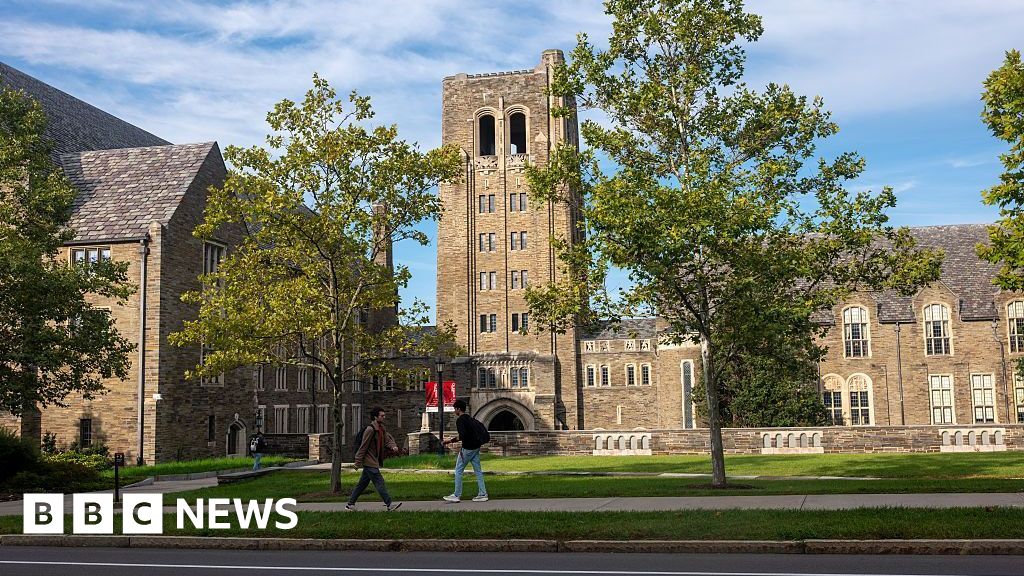
Cornell University Rape Case: Latest Developments and Reactions
Background of the Case
The ongoing investigation into an alleged sexual assault at Cornell University has garnered significant media attention and public scrutiny. The case involves a student identified as Jane Doe, who claims she was sexually assaulted at a fraternity house. As investigations unfolded, critical concerns regarding the handling of the case by local law enforcement were raised.
Legal and Institutional Reactions
The handling of the case has seen intervention from New York Governor Kathy Hochul. Recently, she expressed dissatisfaction with the district attorney’s management of the case, stating that Jane Doe was “failed” by both the police and the prosecutor. In light of this, the governor has removed the district attorney from the investigation, aiming for a more effective response.
Online Harassment of the Accuser
Amid the proceedings, Jane Doe’s lawyer has reported that she is facing significant online harassment. The legal representative described the environment as one where Jane Doe feels “under siege,” highlighting the challenges faced by victims of sexual assault in the public domain. This situation illustrates the complex interplay between victims’ rights and public attention.
Further Legal Actions and Institutional Findings
In a notable related development, the accused individual has filed a petition to expunge Cornell University’s findings regarding a violation associated with the incident. This legal maneuver adds another layer of complexity to an already fraught situation, as it raises questions about institutional accountability and the implications for affected parties.
Evidence and Social Media Impact
Adding to the controversy, reports have surfaced that a picture of Jane Doe was circulated in a Snapchat group on the night of the alleged incident. The sharing of such sensitive material emphasizes the harmful impact of social media on cases of sexual assault and the privacy challenges faced by victims.
