


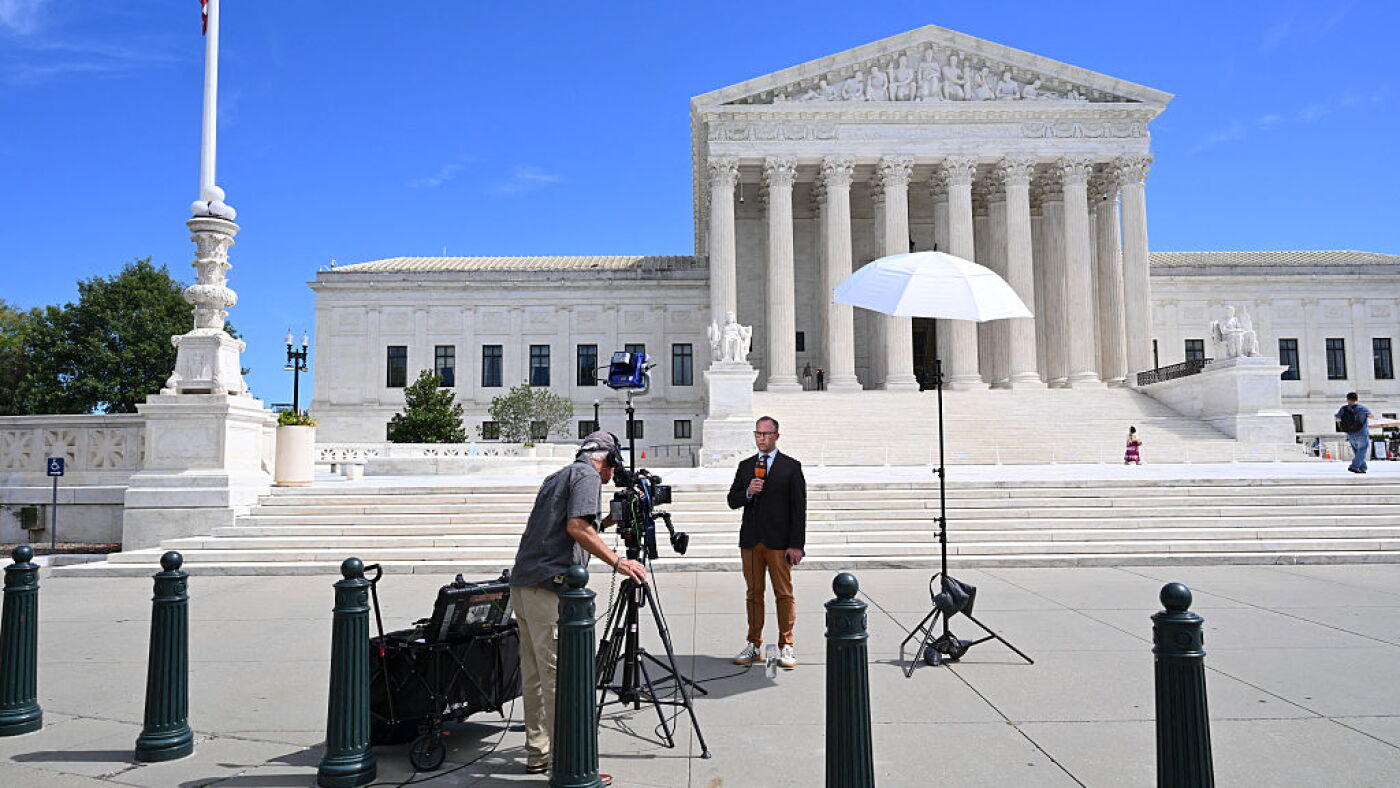
U.S. Supreme Court Opens New Term with Landmark Cases Ahead
The U.S. Supreme Court officially commences its new term with expectations of addressing pivotal legal issues, including cases related to religion, semi-automatic weapon bans, climate change, immigration policies, and potential election law challenges.
Shifts in Court Dynamics
Traditionally, the Supreme Court’s sessions began on the first Monday in October, but the summer period between the conclusion of opinions and the new term has evolved, now filled with significant activity and emergency appeals.
Georgetown University law professor Stephen Vladeck points out that during the Trump administration, there has been a marked increase in emergency appeals, resulting in a record number of court rulings on emergency applications as compared to those on substantive legal matters. These emergency rulings are typically made quickly, with limited briefing and no oral arguments, contrasting with the more thorough processes associated with cases of merit.
Upcoming Major Cases
The Court is poised to deliberate on various high-stakes cases, notably:
Climate Change Lawsuits
A key opening case will examine whether local and state governments have standing to sue energy companies for misleading the public about the harmful effects of fossil fuels. Scholars like Deepak Gupta of Harvard Law School suggest that the plaintiffs argue these companies knowingly disseminated information contrary to scientific evidence, leading to significant public harm. Despite this, many observers deem the case challenging for environmental advocates.
Religious Freedom and Public Funding
Another significant case involves the Court’s evolving interpretation of the First Amendment in relation to religious institutions and public funding. Recent court compositions have shown a shift towards prioritizing free exercise of religion, which could lead to taxpayer funding for religious schools that impose discriminatory admission policies against LGBTQ individuals. The case from Colorado will grapple with this contentious issue, pitting religious rights against anti-discrimination laws.
Second Amendment Challenges
The constitutionality of state bans on semi-automatic weapons is also on the docket. The Court will explore whether such prohibitions violate the Second Amendment. Different perspectives arise regarding the implications of these bans, particularly in light of the widespread ownership of AR-15s in the U.S.
Immigration Policy Debates
Two critical immigration cases are set for review. One will evaluate the legality of the Department of Homeland Security’s policy of deporting migrants to third countries where they lack ties. The other case will focus on the administration’s practice of detaining undocumented immigrants without the opportunity for a bond hearing, raising significant concerns regarding due process.
Future Considerations
Various other pivotal issues may come before the Court as the term progresses. These include potential challenges to the long-standing precedent regarding the display of the Ten Commandments in public schools and the regulation of sports betting through prediction markets.
Experts suggest that as the term unfolds, there may be developments in election-related disputes, as the Court’s involvement could become essential if challenges arise during the election cycle.
