


Philadelphia’s Academy of Natural Sciences Faces Uncertain Future
Decline of a Historic Institution
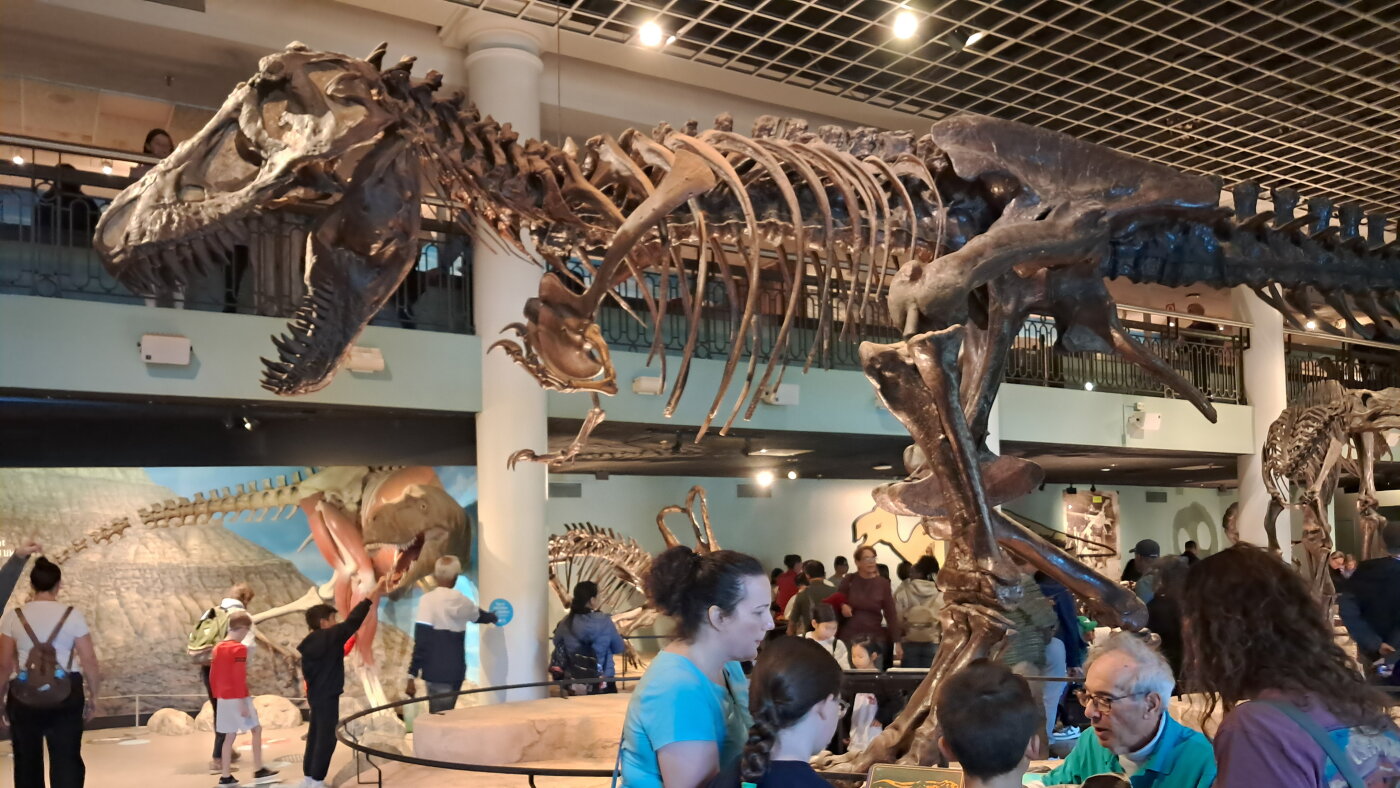
For nearly 200 years, the Academy of Natural Sciences in Philadelphia has served as a landmark facility for natural history enthusiasts, with its doors first opening to the public in 1828. Known for its iconic dinosaur skeleton displays, the museum has long been cherished by families and scholars alike. However, recent announcements about its impending closure have raised alarms within the community.
A Community in Mourning
During the last weekends of its operation, the Academy became a hub of activity, resembling a blend of an emotional farewell and a science festival. Long lines formed outside the museum as visitors rushed to experience its offerings one last time. Alexandria McCormick, a visitor and former attendee, shared her sentiments: “It makes me really sad to think that my children might not also grow up having these experiences and being inspired to love nature this way.”
Financial Challenges Ahead
The museum’s closure is attributed to a combination of rising operational costs and decreased attendance, particularly following the pandemic. Despite a last-minute spike in visitors, Drexel University, which has managed financial responsibilities since 2011, announced in early September that the museum would shut its doors at the end of the month. This sudden decision surprised many, leading to public outcries for preservation and support.
Community Response and Activism
The “Save the Academy” movement has gained momentum, with advocacy efforts including rallies and a widely supported online petition that has garnered over 114,000 signatures. Isa Betancourt, an activist and former entomology department employee, emphasized the implications of the museum’s fate: “If this museum can slip away like that, what’s stopping other museums from going the same way?”
Next Steps and Considerations
As the closure date approached, the William Penn Foundation extended an offer for bridge funding, aiming to explore possible long-term solutions for the Academy’s future. However, Drexel University has expressed the need for a concrete plan for sustainability before considering reopening the museum. Meanwhile, the Philadelphia City Council has initiated steps to investigate the circumstances surrounding the closure and is seeking to understand the decision-making processes that led to this outcome.
The Importance of Cultural Institutions
The Academy of Natural Sciences is home to more than 19 million specimens, including historical collections linked to notable figures like Thomas Jefferson and the Lewis and Clark expedition. While Drexel University has committed to preserving access to these resources for research purposes, the future of public access remains uncertain. The broader context of funding challenges facing cultural institutions, exacerbated by federal and philanthropic declines, complicates efforts to secure the Academy’s longevity.
Conclusion
As the Academy nears its final closing days, the conversations around funding, access to scientific resources, and the importance of natural history preservation will undoubtedly continue. The outcome of community efforts might very well set a precedent for how similar institutions navigate the complex landscape of financial sustainability in a post-pandemic world.
