

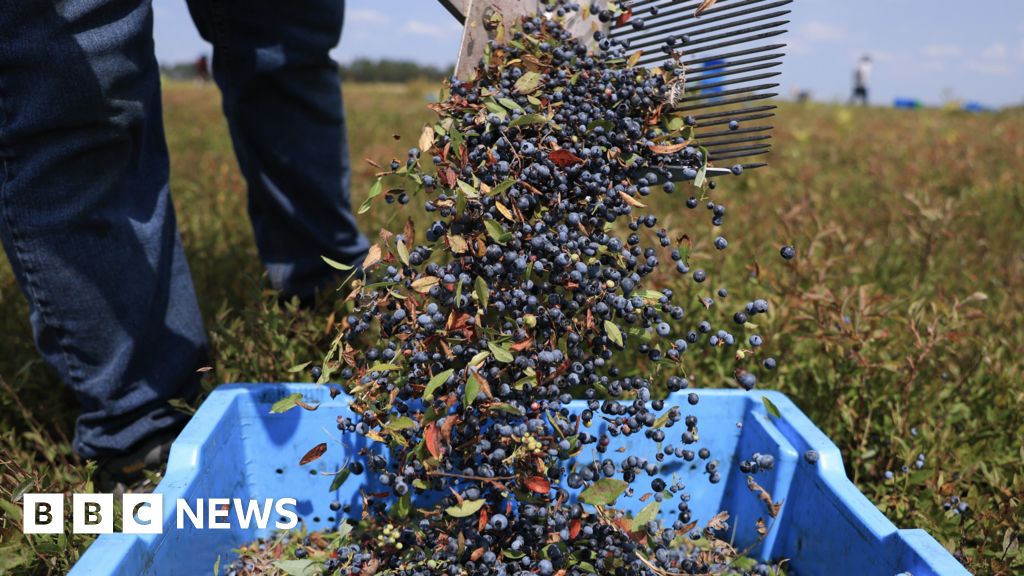
AI Technology Revolutionizes Harvest Timing for Farmers
The agricultural sector is witnessing a transformative change as artificial intelligence (AI) empowers farmers with tools to determine the most opportune moments for harvesting crops. This innovation not only enhances efficiency but also contributes to better yield management and sustainability.
The Role of AI in Agriculture
AI technologies are becoming increasingly integral to modern farming practices. By analyzing data from various sources, including weather forecasts, soil conditions, and crop health indicators, AI systems can provide farmers with actionable insights. The goal is clear: to optimize the harvest process.
Improved Decision-Making
Through advanced data analytics, AI offers farmers tailored recommendations, significantly aiding their decision-making regarding when to reap their crops. This technology reduces the guesswork traditionally involved in harvesting, allowing farmers to make more informed choices.
- Data-Driven Insights: AI can aggregate information from numerous datasets, offering a comprehensive overview of crop conditions.
- Precision Agriculture: By implementing AI solutions, farmers can practice precision agriculture, improving both quality and quantity of yields.
- Weather Adaptation: Real-time weather data allows farmers to adjust their harvest schedules, minimizing losses caused by adverse weather conditions.
The Opportunity for Sustainability
In addition to improving harvest timing, AI technologies promote sustainable farming practices. By maximizing the efficiency of resource use—such as water, fertilizers, and pesticides—these tools contribute to reducing the environmental impact of agriculture.
Case Studies and Success Stories
Numerous case studies showcase the successful application of AI in various farming environments. For example, a farm utilizing a specific AI-driven app reported a 15% increase in yield by optimizing their harvest schedules based on AI-generated recommendations. Such results exemplify the potential impact of technology on traditional farming processes.
Challenges and Considerations
Despite the advantages, the integration of AI into farming is not without challenges. Farmers may face hurdles such as the cost of implementation and the need for training in new technologies. Moreover, ensuring data privacy and security remains paramount as reliance on digital solutions grows.
The Future of Agriculture
Looking ahead, the role of AI in agriculture is poised to expand even further. As technology evolves and becomes more accessible, the potential for farmers to enhance productivity while adhering to sustainable practices will continue to grow. Embracing AI might not only revolutionize farming today but also secure the future of global food production systems.
For more insight into how AI is reshaping agricultural practices, explore various agricultural technologies and their applications in daily farming activities.
