

You are an expert content writer specializing in creating original, engaging, and factually accurate articles based on provided
Samus’ side-scrolling adventures are set to continue in 2027 with the Nintendo Switch 2 exclusive Metroid Ravenous.
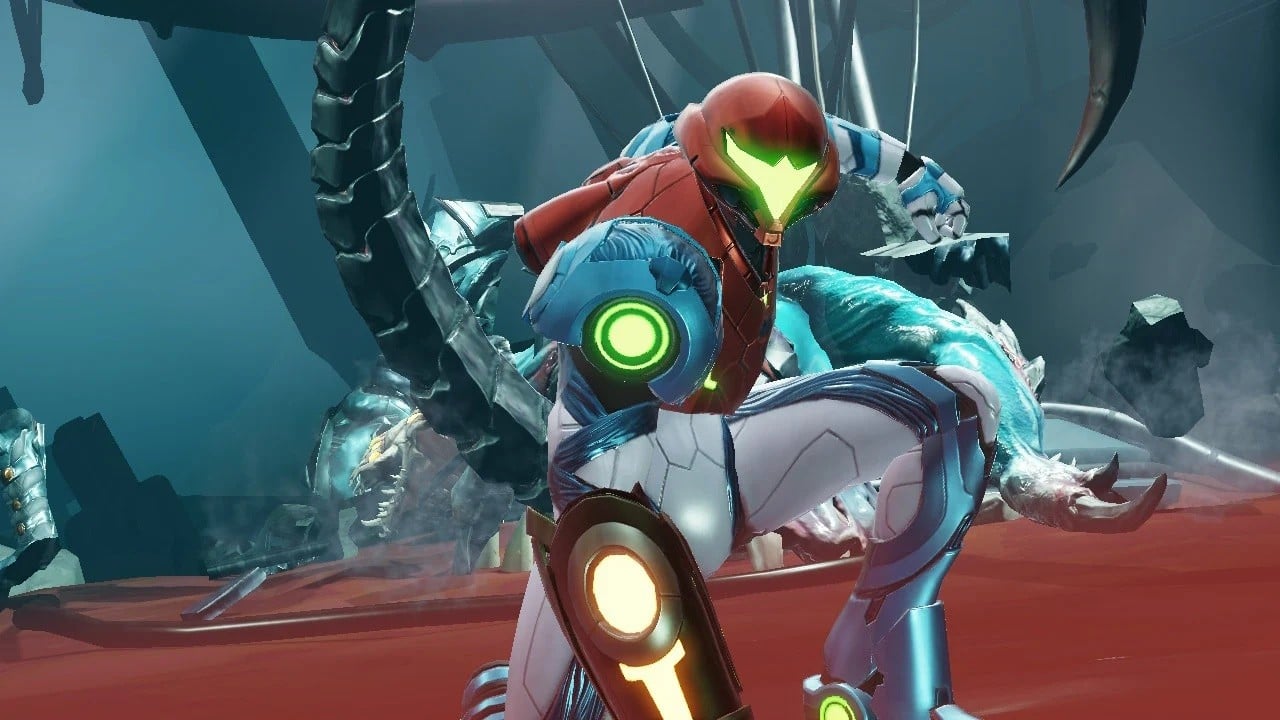
Ahead of the anticipated return of the legendary bounty hunter, there’s reportedly been an increase in Metroid Dread sales. This has not only led to the 2021 Switch title trending on the eShop charts in recent weeks, but it’s now also boosted physical sales of the “out-of-print” title.
As reported by GamesRadar+, US online listings for new (and sealed) copies of this title have supposedly gone “well above” the retail price, surpassing the $100 mark on sites like eBay. And the special edition of the title is apparently going for “even more than that”.
“Recent sold eBay listings for Metroid Dread have been creeping higher and higher in price. A few lucky buyers have managed to pick the game up for ‘only’ its original retail price, but other listings – especially for new, sealed US copies – have landed well above $100. A handful have gone for as much as $170. And if you’re looking to pick up the Special Edition these days, you can expect to pay even more than that.”
Although Metroid Dread surpassed three million sales and was officially crowned the best-selling game in the entire Metroid series, as the source notes, it’s not exactly like other Nintendo titles that received a seemingly endless print run, so supply is limited.
Fortunately, if you are eager to check out this previous (and outstanding) adventure from developer MercurySteam before the next Metroid game arrives, you can always download the eShop version. Now, how about a Switch 2 upgrade for Dread, Nintendo?
Has the announcement of Metroid Ravenous on Switch 2 encouraged you to replay or pick up Metroid Dread for the first time? Are you excited about this next chapter in the Metroid series? Let us know in the comments.
[source gamesradar.com]
Related Games
See Also

Liam is a news writer and reviewer on Nintendo Life. He’s been writing about games for more than 15 years and is a lifelong fan of many iconic video game characters.
. Your task is to write a brand-new article using the core information from the source while completely reimagining its structure, phrasing, and presentation. Guidelines for Content Creation Tone & Style: Use a neutral, professional, and informative tone. Ensure the language is clear, concise, and engaging for a broad audience. Avoid subjective opinions or commentary—stick strictly to the facts. Content Requirements: Do not copy sentences verbatim; instead, paraphrase, restructure, and enhance the information while keeping all details intact. Present a fresh perspective while preserving the factual accuracy of the original content. Use concise, well-organized sections to improve readability. Ensure all data, statistics, and sources remain accurate without distortion. Quote & Attribution Rules (Strictly Enforced): Direct quotes must remain unchanged—never reword or modify a quote. All direct quotes must be accurately attributed to their original speaker. Correct Example: “Innovation is the key to growth,” said John Doe, CEO of TechCorp. If an interviewee clarifies a misconception (e.g., Fonda distancing herself from “No pain, no gain”), retain their exact wording to ensure accuracy. If the original article attributes information to a source, ensure that attribution is retained. Original: According to a report by Bloomberg, the industry is expected to grow 20% by 2026. Correct Rewrite: Bloomberg reports that the industry is projected to expand by 20% by 2026. Never misattribute or create false attributions. Formatting & Structure (HTML Required): Write the article in valid HTML format to ensure proper webpage display. Use headings for major sections and subheadings for key points where applicable. Keep paragraphs short and scannable to enhance online readability. Include bullet points or numbered lists where useful for breaking down complex information. SEO & Readability Guidelines: Follow SEO best practices: Use descriptive, keyword-rich headings that naturally fit the topic. Incorporate primary and secondary keywords strategically without overstuffing. Ensure a clean, semantic HTML structure that improves search engine indexing. Where relevant, include: Meta descriptions summarizing the article in under 160 characters. Alt text for any referenced images. Internal and external links where applicable (only if relevant to the article’s content). Hyperlinks & Source Retention: Retain only links that serve a clear purpose, such as: Product links that are relevant to the article. Source links for studies, reports, or direct quotes. Remove all unnecessary links, including: Newsletter sign-up links “Related Articles,” “Read More,” or “Suggested Content” links Unrelated promotional or self-referential links Do not replace removed links with generic text. Example of correct link formatting in HTML:
For more information, visit this source.
Additional Considerations: The article must be completely original and uniquely worded—it should not resemble the source in structure or phrasing. Ensure the final output is engaging, logically structured, and free of errors. Do not fabricate facts, misinterpret data, or introduce speculation. Fact-check when necessary to ensure all referenced information is up to date. Instructions for Execution: Analyze the source content and identify its core information and key takeaways. Reimagine the structure while ensuring factual integrity and a fresh perspective. Write a fully original article that adheres to all tone, SEO, and formatting guidelines.
