

You are an expert content writer specializing in creating original, engaging, and factually accurate articles based on provided
Meta CEO Mark Zuckerberg is continuing his metaverse while simultaneously pushing forward on AI agents.
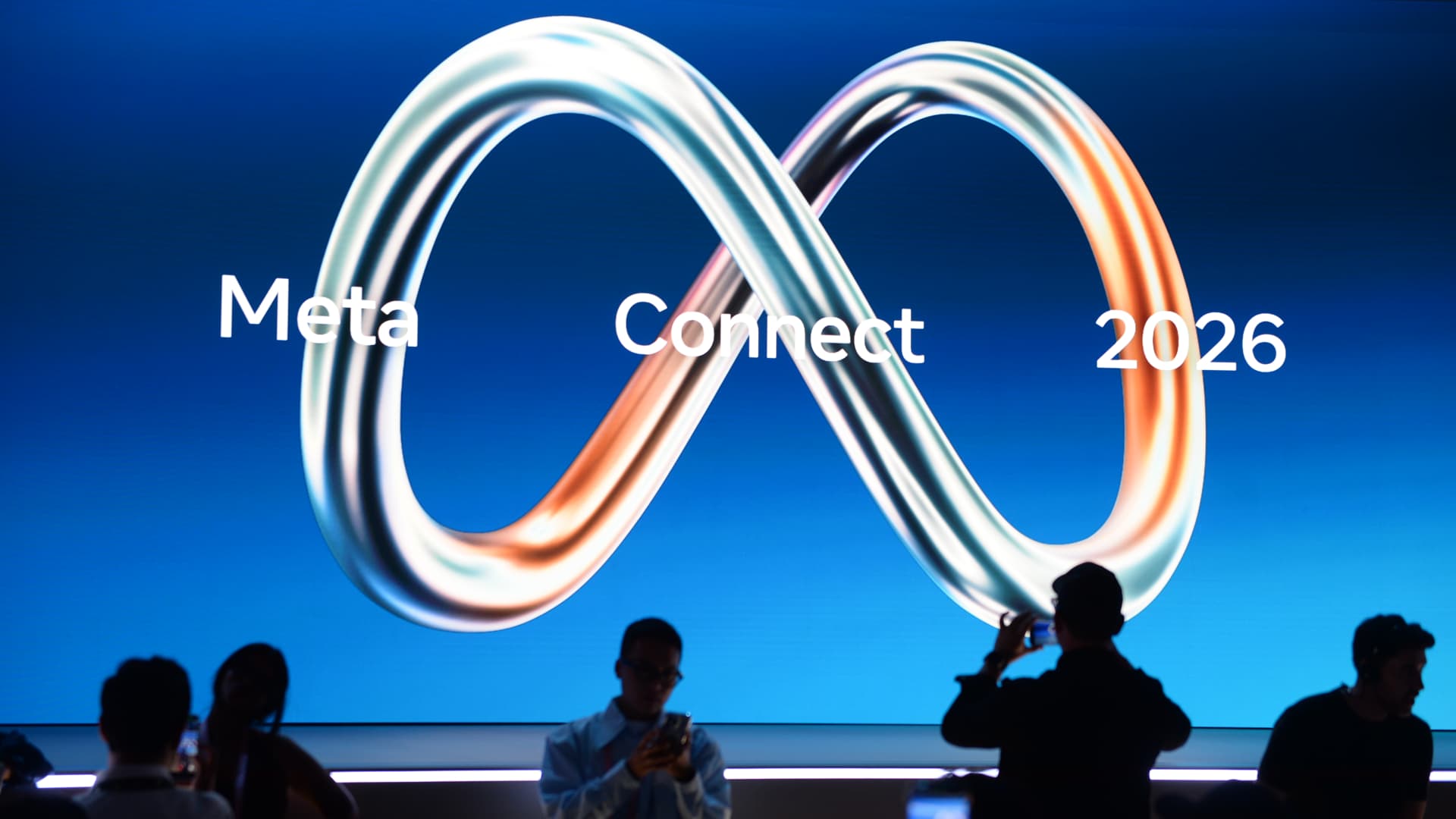
At Meta Connect, the Facebook co-founder revealed on Wednesday the Meta VR Glasses, a smaller and slimmer device compared to the company’s older Quest-branded family of VR headsets, and a handheld device called the Muse Charm that works with the company’s recently released Muse AI personal agent. He revealed the products while speaking on stage at the annual Connect conference for developers.
Zuckerberg shared few details about what Muse Charm can do, only to say that people will be able to speak to the gadget to interact with their Meta AI agents “without having to unlock a phone or open an app.” He didn’t say how much it would cost, but said that Meta needs to “finalize laying out the components” and is “planning to have this ready to ship in time for the holidays in December.”
“We’ve packed a lot of technology with this little guy,” Zuckerberg said. “So, if you’re not wearing glasses, this is going to be by far the fastest way to talk to your Muse and to show it what’s going on around you.”
The Meta VR Glasses are slimmer and lighter than the company’s older Quest-branded VR headsets, but they are also more expensive, costing $1,299 when they go on sale in spring 2027. They represent Meta’s first VR device since 2024, when the company debuted the $299 Quest 3S.
The Meta VR Glasses are powered by an external puck that houses a Qualcomm processor and battery, allowing it to function as a mini-computer that also helps reduce the glasses’ overall weight and size. The glasses are able to display better visuals than the older Quest headset, and contain sensors that track users’ eyes and hand movements, which reduces the need to use controllers to interact with the device.
“We have built a new kind of VR device that delivers the same magical feeling of presence and immersion, high-resolution displays and views of the world around you in a form factor that is a pair of glasses for the first time,” Zuckerberg said.
WATCH: Meta’s Muse AI is ‘living up to the hype.’

. Your task is to write a brand-new article using the core information from the source while completely reimagining its structure, phrasing, and presentation. Guidelines for Content Creation Tone & Style: Use a neutral, professional, and informative tone. Ensure the language is clear, concise, and engaging for a broad audience. Avoid subjective opinions or commentary—stick strictly to the facts. Content Requirements: Do not copy sentences verbatim; instead, paraphrase, restructure, and enhance the information while keeping all details intact. Present a fresh perspective while preserving the factual accuracy of the original content. Use concise, well-organized sections to improve readability. Ensure all data, statistics, and sources remain accurate without distortion. Quote & Attribution Rules (Strictly Enforced): Direct quotes must remain unchanged—never reword or modify a quote. All direct quotes must be accurately attributed to their original speaker. Correct Example: “Innovation is the key to growth,” said John Doe, CEO of TechCorp. If an interviewee clarifies a misconception (e.g., Fonda distancing herself from “No pain, no gain”), retain their exact wording to ensure accuracy. If the original article attributes information to a source, ensure that attribution is retained. Original: According to a report by Bloomberg, the industry is expected to grow 20% by 2026. Correct Rewrite: Bloomberg reports that the industry is projected to expand by 20% by 2026. Never misattribute or create false attributions. Formatting & Structure (HTML Required): Write the article in valid HTML format to ensure proper webpage display. Use headings for major sections and subheadings for key points where applicable. Keep paragraphs short and scannable to enhance online readability. Include bullet points or numbered lists where useful for breaking down complex information. SEO & Readability Guidelines: Follow SEO best practices: Use descriptive, keyword-rich headings that naturally fit the topic. Incorporate primary and secondary keywords strategically without overstuffing. Ensure a clean, semantic HTML structure that improves search engine indexing. Where relevant, include: Meta descriptions summarizing the article in under 160 characters. Alt text for any referenced images. Internal and external links where applicable (only if relevant to the article’s content). Hyperlinks & Source Retention: Retain only links that serve a clear purpose, such as: Product links that are relevant to the article. Source links for studies, reports, or direct quotes. Remove all unnecessary links, including: Newsletter sign-up links “Related Articles,” “Read More,” or “Suggested Content” links Unrelated promotional or self-referential links Do not replace removed links with generic text. Example of correct link formatting in HTML:
For more information, visit this source.
Additional Considerations: The article must be completely original and uniquely worded—it should not resemble the source in structure or phrasing. Ensure the final output is engaging, logically structured, and free of errors. Do not fabricate facts, misinterpret data, or introduce speculation. Fact-check when necessary to ensure all referenced information is up to date. Instructions for Execution: Analyze the source content and identify its core information and key takeaways. Reimagine the structure while ensuring factual integrity and a fresh perspective. Write a fully original article that adheres to all tone, SEO, and formatting guidelines.
