

Pentagon Announces Major Leadership Restructuring
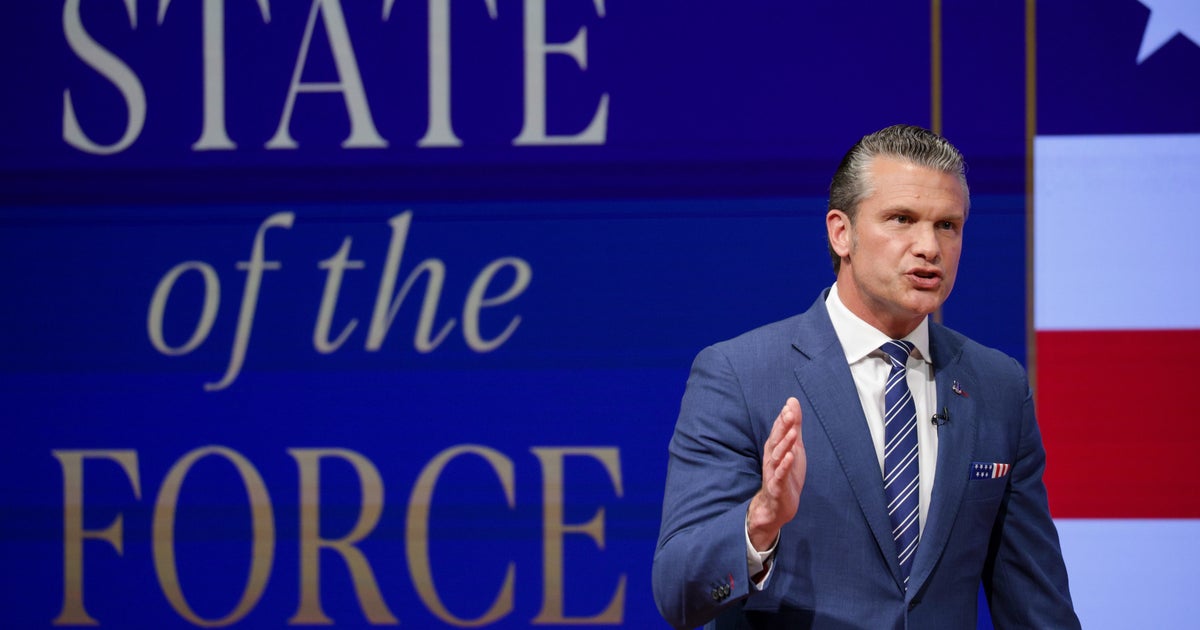
In a recent address, Defense Secretary Pete Hegseth revealed significant changes in the leadership structure of the U.S. military, detailing a plan to reduce the ranks of generals and admirals by approximately 20%. This initiative is part of Hegseth’s broader goal to transform the Pentagon’s operations during the second Trump administration.
Eliminating Top-Level Positions
During his speech on Wednesday at the Marine Corps Base in Quantico, Virginia, Hegseth stated that the department aims to be “unrelenting, unapologetic, and uncompromising” in achieving military success. He emphasized that leaders who resist this transformation—termed by Hegseth as clinging to a “woke” mentality or failing to respect civilian oversight—are no longer part of the Pentagon’s leadership team.
“The number crunchers say we fired 10% of the generals and admirals across the force, and that number sounds about right,” he noted, emphasizing that an additional reduction of 10% in overall general officer slots has been enacted, resulting in a total reduction of 20% within the military’s upper echelons.
Details of Restructuring Initiative
Hegseth highlighted the elimination of various positions in his plan, which he first previewed in May 2025, when he mandated the cuts for all flag and general officers, as well as specific reductions in the National Guard. This restructuring is framed as a necessary move to foster innovation and peak operational efficiency, removing layers of bureaucracy that impede military effectiveness.
Current Status of Military Leadership
According to Defense Department statistics, there were 851 active-duty generals and admirals across various branches of the military as of July, showing a slight increase from the previous year. Federal law limits the number of these top military officers to 857.
In addition to personnel cuts, Hegseth announced the establishment of the Autonomous Warfare Command, designed to accelerate the integration of robotic and autonomous systems within military operations. He also introduced “Project Meridian,” a 120-day initiative focusing on the future of warfare, which will be led by prominent figures including Elon Musk and former House Speaker Newt Gingrich.
Building a New Military Base
Furthermore, the Pentagon is seeking proposals from states for a new U.S. military base, which is intended to be a “foundational hub” for enhanced defense operations and cybersecurity capabilities.
Criticism and Support
This restructuring announcement coincides with Hegseth’s previous remarks criticizing the military’s leadership for focusing on diversity initiatives at the expense of military readiness, a point he reiterated in his recent address. “We are no longer the woke department, or the weak department,” he stated, emphasizing a return to traditional military values.
However, this aggressive push for reform has drawn criticism. Democratic Senator Mark Kelly from Arizona remarked on the potential risks of removing experienced leaders: “We need strong leaders. These folks have decades of experience, some of the best leadership our military has ever had. He’s getting rid of them,” Kelly stated.
Conclusion
The moves outlined by Hegseth are part of a contentious debate regarding the balance between leadership efficiency and the necessity of experienced military officers in navigating complex contemporary threats. As this initiative unfolds, the implications for military policy and structure remain to be fully seen.
