

Justice Department Takes Action Against Minnesota Judges Over Media Engagement
In an unprecedented move, the U.S. Department of Justice has filed a misconduct complaint against nearly all the federal district judges in Minnesota, with the exception of one. This action follows their engagement with the New York Times regarding the administration’s handling of immigration enforcement cases.
Details of the Complaint
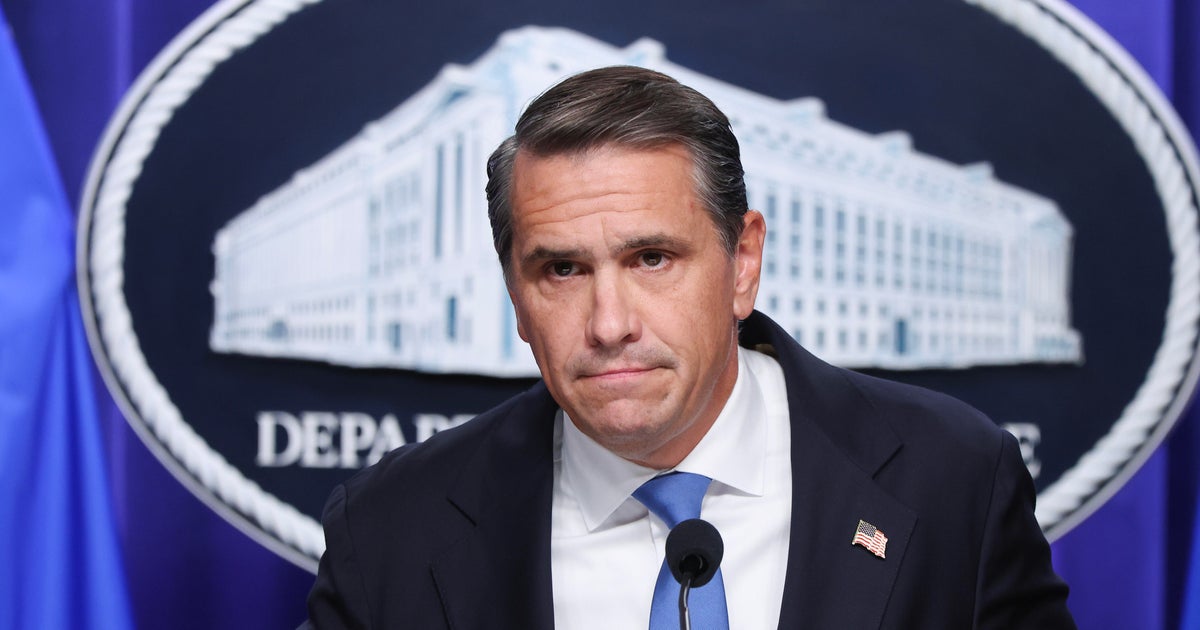
During a press conference, Attorney General Todd Blanche disclosed the complaint filed with the U.S. Court of Appeals for the Eighth Circuit. In addition, he announced that prosecutors in Minnesota have successfully indicted ten noncitizens for allegedly casting illegal votes in previous elections. “We have a right, just like every litigant in court, to have a judge that will be fair and impartial,” Blanche stated, underscoring the DOJ’s reasoning for the complaint.
Media Interaction and Judicial Conduct
The heart of the complaint stems from a New York Times article titled “Trump’s Minnesota Surge Threatened Democracy, Judge Warns.” Judge Patrick Schiltz, along with several colleagues, provided insights during interviews that raised concerns about government practices, particularly during Operation Metro Surge, an immigration enforcement initiative launched in December 2025.
Judge Schiltz, who was nominated by President George W. Bush, articulated his beliefs regarding violations of court orders during the interview. Meanwhile, Judge John Tunheim, appointed by President Bill Clinton, disputed the Trump administration’s narrative that it was apprehending only the most dangerous individuals.
Judicial Misconduct Allegations
The complaint specifically cites the involvement of Judge Schiltz and Judge Tunheim, highlighting remarks deemed “egregious” and suggesting they “flagrantly violated the Code of Judicial Conduct.” The Department alleges that their comments to the media were politically charged and pertained to ongoing legal matters.
Schiltz’s comments were characterized as being “overly political” and in violation of established judicial ethics, an assertion supported by Deputy Attorney General Trent McCotter and Associate Attorney General Stanley Woodward.
Calls for Recusal and Investigation
The DOJ has requested that the Eighth Circuit requires Schiltz and Tunheim to recuse themselves from any cases related to the Department of Homeland Security and to investigate the conduct of those judges identified as seeking publicity rather than upholding the law.
Judicial Ethics Considerations
In February, the Judicial Conference provided guidance on ethical engagement for judges concerning public speaking and civic participation. This advisory allows judges to address issues such as judicial independence and the rule of law, which Schiltz claims he adhered to in his comments.
“As legal-ethics experts have confirmed, I was acting well within the ethical rules that apply to federal judges in speaking to the New York Times,” Schiltz responded, maintaining his stance that his comments fell within permissible bounds.
Background on Operation Metro Surge
Operation Metro Surge saw over 3,000 immigration enforcement officials deployed across Minnesota, escalating tensions between federal authorities and community members. The initiative was met with significant pushback, leading to violent confrontations, including the deaths of two protesters, which intensified criticism of the measures employed by Immigration and Customs Enforcement (ICE).
Furthermore, judges in Minnesota faced numerous petitions from migrants contesting their detentions. Judge Schiltz condemned the government’s disregard for court orders in multiple rulings, signaling a broader conflict between federal actions and judicial authority.
Ongoing Tensions and Future Implications
The discord between the judiciary and the Trump administration has been marked by a series of contentious decisions and public criticisms. Prior instances of judicial misconduct complaints have also emerged, reflecting ongoing challenges in balancing judicial independence with executive strategies.
As the situation evolves, the outcomes of this complaint and the related judicial responses will likely have significant implications for the relationship between federal judges and the executive branch, impacting the enforcement of immigration laws and the broader judicial landscape.
