

Senate Rejects Republican Bill to Curb Congressional Stock Trading
Washington, D.C. — A Republican initiative seeking to advance a stock trading restriction bill passed by the House encountered a setback in the Senate on Wednesday, as it failed to obtain the necessary support. The proposal, dubbed the Stop Insider Trading Act, was criticized by Democrats for being insufficient, particularly regarding its provisions on voter identification.
Vote Outcome and Context
The bill was defeated by a vote of 53 to 47, falling short of the 60 votes needed to proceed. The vote aligned strictly along party lines, showcasing the increasing polarization on Capitol Hill.
Details of the Stop Insider Trading Act
Initially passed by the House in July with unanimous Republican support and 13 Democratic votes, the legislation aims to prevent lawmakers, as well as their spouses and dependent children, from trading publicly listed stocks. Additionally, it mandates that these officials publicly announce any intended stock sales at least one week in advance, a measure intended to mitigate insider trading risks.
Democratic Opposition
Democratic leaders argue that the proposed restrictions do not adequately address the issue. They have called for a complete ban on stock trading for members of Congress, along with restrictions on the Executive Branch officials.
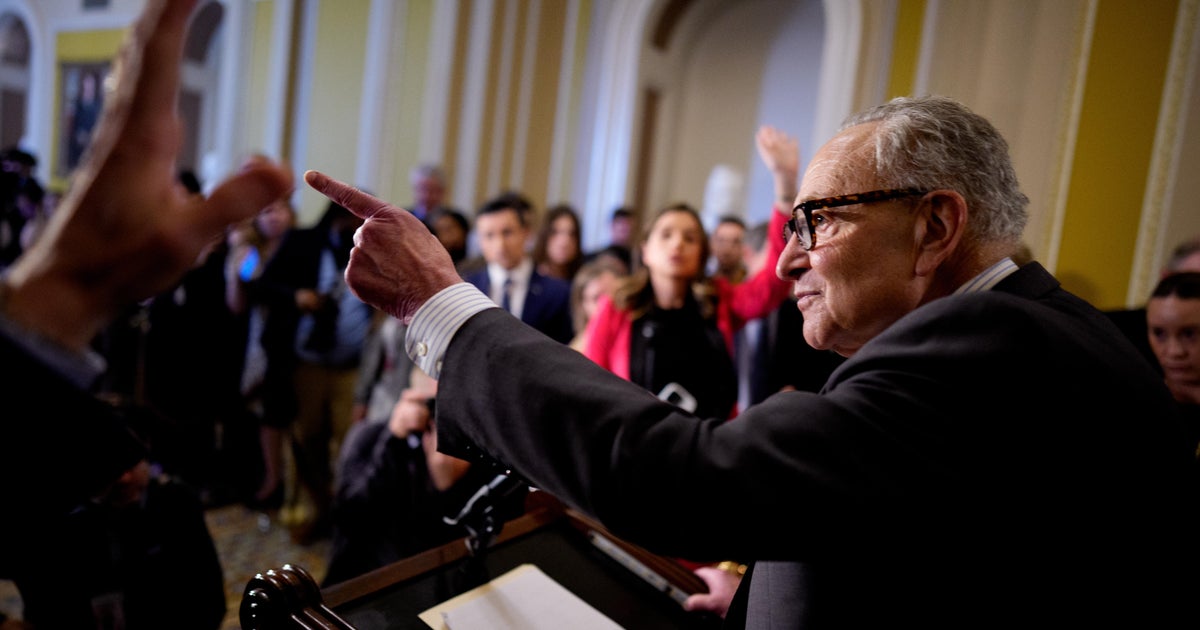
“The Republican toothless stock-trading bill is as ineffective as a screen door on a submarine,” said Senate Minority Leader Chuck Schumer during his remarks ahead of the vote. He emphasized that the current legislation excludes the Executive Branch, which he believes undermines its integrity.
Contentious Voter ID Provision
Another point of contention within the bill is the requirement for voters to present photo identification at federal elections. Democrats condemned this aspect as a deliberate attempt to weaken mail-in voting, positioning it as a tactic to rally party lines against the stock trading provisions.
This voter ID measure has gained traction among Republican members, particularly under the influence of former President Trump, who has urged Congress to advance electoral reforms ahead of the upcoming midterm elections.
Political Strategy and Future Implications
As Republicans gear up for upcoming election campaigns, the decision to bring the bill to a vote appears strategic. It aims to compel Democrats to publicly state their positions on issues pertinent to voters.
Senate Majority Leader John Thune labeled the legislation a “common-sense piece of legislation,” asserting that it holds legislators accountable to the standards expected by constituents.
Continued Efforts Against Congressional Stock Trading
In recent years, there has been a concerted push among lawmakers to impose stricter regulations on stock trading by members of Congress. Schumer stated that the Democratic caucus is ready to support genuine legislative efforts to ban stock trading completely, emphasizing that the latest proposal falls short of meaningful reform.
