

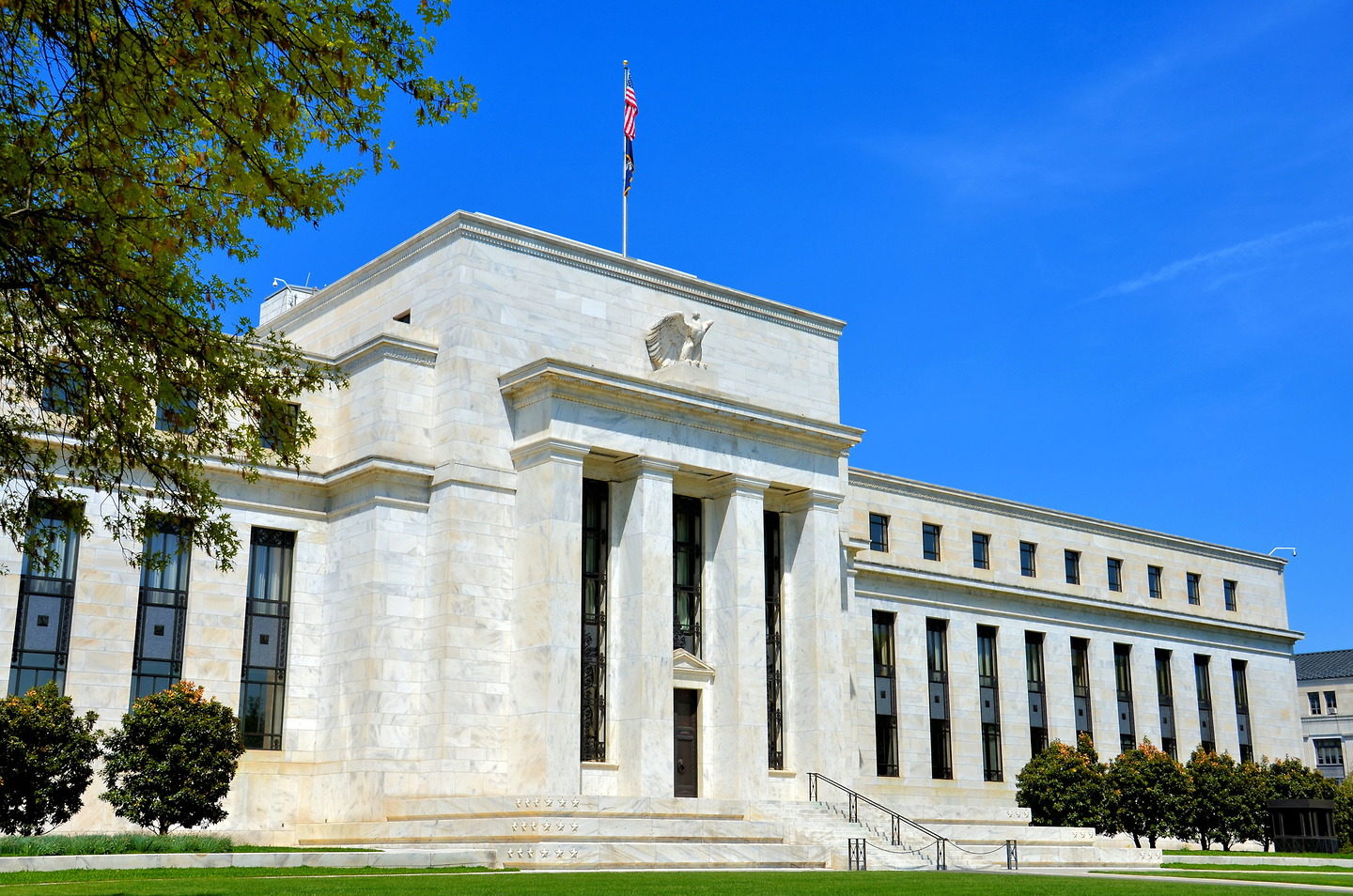
Understanding the Fed Rate Hike: Implications for Women Entrepreneurs
Key Considerations Following the Fed’s Rate Adjustment
The Federal Reserve’s recent decision to increase the federal funds rate by 0.25 percentage points, bringing the target range to 3.75% to 4%, significantly impacts a wide array of financial landscapes, particularly for women entrepreneurs. As reported by a contributor at Forbes, this hike raises critical considerations at the intersection of business and personal finance.
Entrepreneurs are encouraged to thoroughly understand the expenses associated with their debts, safeguard their personal savings, and refrain from trying to outsmart the Fed’s monetary policy adjustments.
The Intersection of Business and Personal Finances
A central theme in the conversation around this interest rate increase is the lack of clear separation between business and personal finances for many entrepreneurs, especially women. Research from the Federal Reserve highlights that women often start businesses with lower financial capital compared to their male counterparts, creating vulnerabilities in their financial planning.
According to the Federal Reserve Banks’ 2026 Small Business Credit Survey, a significant percentage of firms leverage personal guarantees to secure debt: 59% of small employer firms with debt reportedly do this. Additionally, a staggering 86% of these firms utilize some form of financing, indicating the interconnectedness of personal and business financial health.
Assessing Debt Costs
The recent Fed rate hike has intensified the need for entrepreneurs to scrutinize their debt arrangements. It is essential for founders to create a comprehensive list of all debts—personal and business—complete with interest rates, repayment structures, and purposes. Differentiating between relatively inexpensive fixed-rate mortgages and more costly revolving credit is vital, as it can significantly affect financial decision-making.
Encouraging strategic borrowing, the column emphasizes that while certain investments, like equipment or inventory, might justify higher interest rates, sustained reliance on high-interest loans to manage cash flow is a warning sign of deeper financial issues.
Building a Stable Financial Foundation
One key takeaway is that commitment to one’s business should not come at the expense of personal financial resilience. Establishing a personal emergency fund can provide a buffer during challenging periods, ensuring that entrepreneurs can weather financial storms. Retirement savings and business reserves contribute further to this financial security.
Interestingly, higher interest rates can benefit savers, as safer deposits in high-yield saving accounts or money market accounts tend to generate better returns. However, the article warns against viewing enhanced yields as a substitute for a broader investment strategy.
Avoiding the Pitfalls of Anticipating Monetary Policy
The article advises entrepreneurs to approach housing decisions with a focus on affordability rather than speculation about future rate changes, emphasizing that planning to refinance is not a substitute for sound financial planning. Moreover, maintaining a low-interest mortgage does not necessitate rushing to pay down debt while carrying higher-cost obligations.
As market conditions can change rapidly, the article highlights that recent inflation data may shift the Fed’s trajectory. New York Fed President John Williams indicated that there isn’t immediate urgency for further increases, suggesting that entrepreneurs maintain adaptive strategies that remain viable in varying economic climates.
Final Thoughts on Financial Planning for Founders
In conclusion, adapting to rate changes requires a layered approach to financial planning. Entrepreneurs should prepare a sound financial strategy that remains effective regardless of shifting monetary conditions. Emphasizing savings, managing debts wisely, and diversifying assets will provide the flexibility needed to embrace future opportunities with confidence.
Frequently Asked Questions
What action did the Federal Reserve take in September?
The Fed raised its target range for the federal funds rate by a quarter percentage point to 3.75% to 4% amidst ongoing inflation pressures.
How does the Fed rate hike impact women entrepreneurs?
The intertwined nature of personal and business finances means that increased borrowing costs can have personal ramifications for many founders.
Are personal guarantees common in small businesses?
Yes, the 2026 Small Business Credit Survey found that 59% of small employer firms with debt utilize personal guarantees to secure financing.
What guidance is provided regarding mortgages?
Entrepreneurs are encouraged to prioritize affordability when considering mortgage options, stating that planning to refinance should not be relied upon as a primary strategy.
