

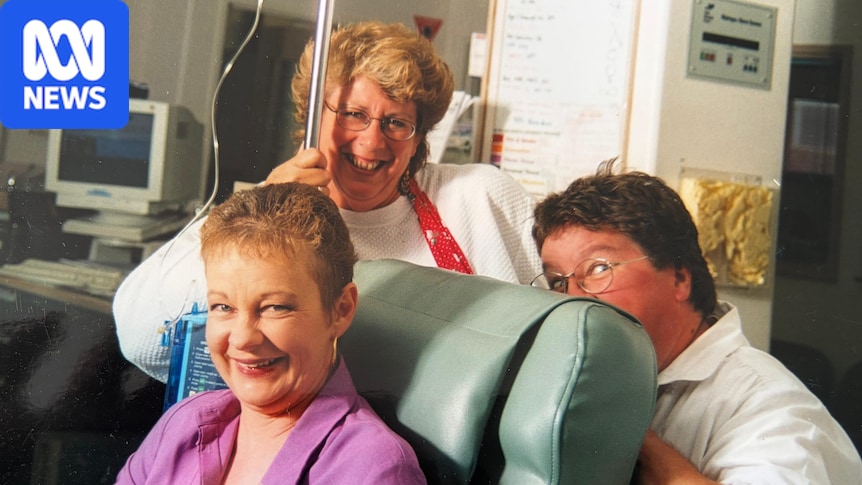
Donna Rullo: A Trailblazer in HER2-Positive Breast Cancer Treatment
In early 2001, 40-year-old Donna Rullo faced a daunting diagnosis of HER2-positive breast cancer. This aggressive form of cancer is characterized by heightened levels of the human epidermal growth factor receptor 2 (HER2), which stimulates the growth of cancer cells. At that time, targeted therapies were not yet available in Australia, leaving patients like Ms. Rullo with limited options.
The Deciding Moment
Motivated by a desire to see her son grow and thrive, Ms. Rullo chose to take a significant risk by enrolling in a clinical trial. After hearing about Dr. Richard Bell’s involvement with an innovative drug named trastuzumab, she traveled five hours from her fruit farm to attend one of his lectures. Her persistence paid off when she became the first patient enrolled in the HERA (HERceptin Adjuvant) trial, which included over 5,000 participants from 39 countries.
The Power of Community and Determination
Ms. Rullo’s motivation stemmed from her intense desire to be a supportive mother. Reflecting on this drive, she remarked, “I went through 10 years of IVF to have him, my son’s 12 and he needs me and I want to be here.” After numerous phone calls, she was filled with emotion upon learning she had been selected for the trial, stating, “I just cried and cried. I couldn’t stop. I was so emotional.”
Trastuzumab: A Game Changer
Twenty years ago, trastuzumab was added to the Pharmaceutical Benefits Scheme (PBS) in Australia, representing a significant breakthrough in the treatment of HER2-positive breast cancer. Lyn Swinburne, then-CEO of Breast Cancer Network Australia (BCNA), described the inclusion of trastuzumab as “life-changing” for thousands of women across the country.
Initially, the treatment cost between $50,000 to $70,000 annually, which was unaffordable for many. Swinburne and Raelene Boyle, a board member at BCNA and a breast cancer survivor, took action to ensure women had access to this vital medication. They pressed Prime Minister John Howard for the drug’s subsidy during a birthday celebration that turned into a lobbying event.
By late 2001, a special program provided free access to trastuzumab for women with HER2-positive metastatic breast cancer. The drug was subsequently added to the PBS on October 1, 2006, broadening access significantly.
Current State of Breast Cancer Treatment
Today, breast cancer remains prevalent in Australia, with one in seven women being diagnosed over their lifetimes. Despite the increase in diagnoses, advancements in treatment have led to improved survival rates. Breast Cancer Network Australia’s current CEO, Kirsten Pilatti, notes, “Survival has certainly improved because we know more about the specifics of different breast cancers.” The five-year survival rate from 2017 to 2021 reached 93%, up from 75% in the earlier 1990s.
Advancements and Personalized Treatments
According to Dr. Rachel Dear, a medical oncologist at St Vincent’s Hospital in Sydney, improvements in early detection and personalized treatment options have driven these better outcomes. “Treatment has changed depending on which subtype of breast cancer we’re looking at,” she added. There are three main types of breast cancer, each with various treatment options that enhance survival rates.
The Call to Action
Ms. Rullo’s journey showcases the importance of patients advocating for themselves and exploring all available options. She has seen her son mature into a successful individual and encourages others facing similar challenges to learn as much as possible about their conditions. “Life could have completely gone a different way, who knows what could have happened if I didn’t fight to be on that trial,” she reflected.
As medical research continues to advance, more options will become available for patients, giving hope to future generations dealing with breast cancer.
