


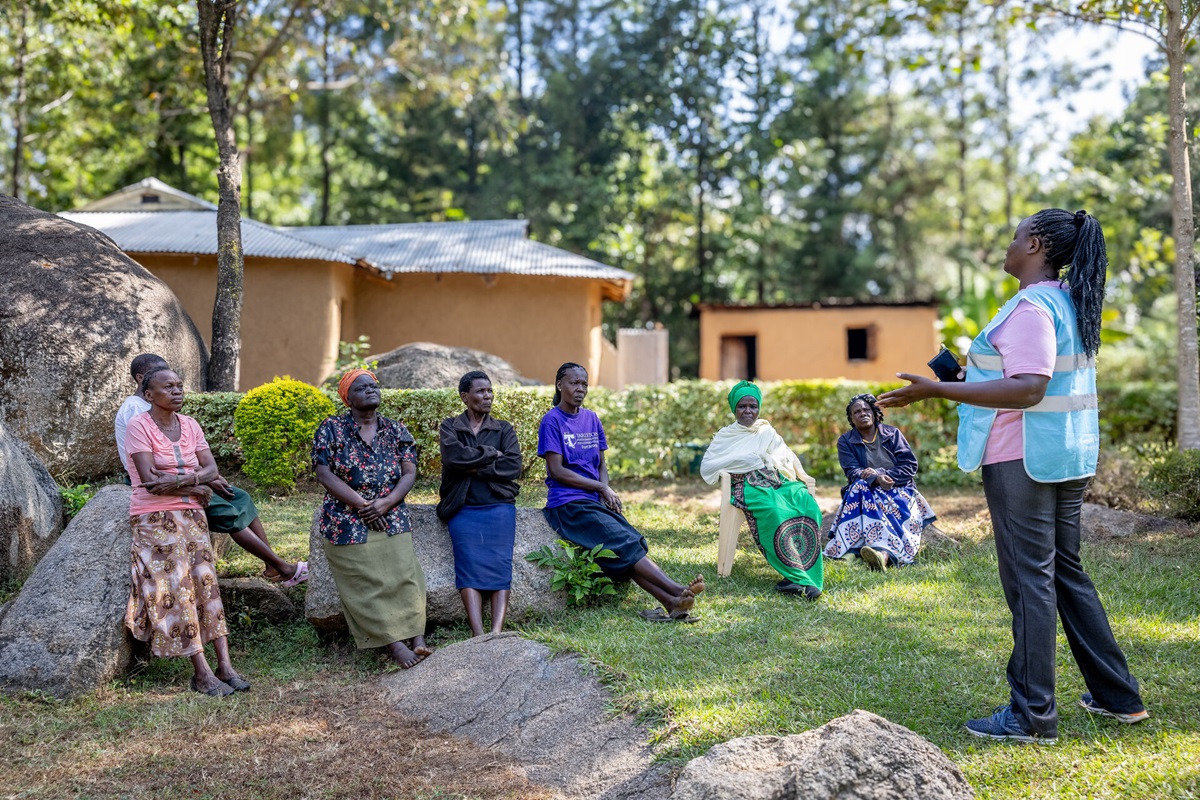
Understanding Breast Cancer: Unique Stories and Shared Challenges
As we recognize Breast Cancer Awareness Month this October, it becomes an essential time to enhance awareness around breast cancer and advocate for improved access to timely diagnosis and quality care. The central theme, “Every story is unique, every journey matters,” serves as a poignant reminder that each individual’s experience with breast cancer carries its own nuances and challenges.
Global Impact of Breast Cancer
Breast cancer remains the most commonly diagnosed cancer among women worldwide. Current statistics from 2024 highlight the gravity of the situation:
- Approximately 2.4 million women received a breast cancer diagnosis.
- 694,000 women tragically lost their lives due to the disease.
- By the year’s end, around 8.2 million women were living with breast cancer.
This disease affects women across all nations and age groups after puberty, with a notable increase in incidence as women age. Alarmingly, around 80% of breast cancers occur in women who do not exhibit any specific risk factors beyond being female and aging.
Persistent Inequalities in Care
Despite advancements in breast cancer outcomes in many regions, significant disparities persist globally. Access to early diagnostic measures and effective treatment options can vary widely, leading to stark differences in survival rates based on geographical location. For example, survival rates reveal:
- Only 41% of women in low-income nations are expected to survive at least five years post-diagnosis, compared to 87% in high-income countries.
- The majority of breast cancer deaths, approximately 70%, occur in low- and middle-income nations where access to comprehensive care is severely limited.
Key Recommendations for Awareness and Action
To combat this health crisis, the World Health Organization (WHO) outlines several critical messages that must be embraced by individuals, healthcare providers, and governments alike:
- Recognize the Challenge: Breast cancer continues to be a major global health concern. There is an urgent need for initiatives aimed at early detection and high-quality treatment.
- Acknowledge Risk Factors: Factors influencing breast cancer risk include increasing age, obesity, alcohol consumption, previous radiation exposure, family history, and lifestyle choices. However, many women develop breast cancer without identifiable risk factors.
- Be Aware of Symptoms: It’s critical for women to monitor breast health and seek medical advice for any unusual changes, such as lumps or fluctuations in size/shape, skin alterations, and any unusual fluid discharge.
- Advocate for Action: Countries should strive to reduce breast cancer mortality rates by 2.5% annually, aiming to prevent up to 2.5 million deaths by 2040 through equitable access to screening and treatment services.
- Equal Access to Care: Geographical location should not dictate whether an individual survives breast cancer. This requires a concerted effort to ensure all women, regardless of their socio-economic background, have access to necessary healthcare services.
- Continue the Dialogue: Engage in conversations about breast cancer that empower and support those affected by the disease.
Closing the Gaps in Breast Cancer Care
The WHO Global Breast Cancer Initiative (GBCI) aims to unite countries and stakeholders in addressing disparities in breast cancer outcomes, targeting:
- 60% of invasive breast cancers being diagnosed at stages I or II.
- 60 days from symptom detection to diagnosis.
- 80% of patients receiving comprehensive treatment as recommended.
Realizing these targets mandates action throughout the cancer care continuum, from education and early detection to prompt diagnosis, thorough treatment, and continued support.
Embrace Action This October
Breast Cancer Awareness Month is an opportune moment to transform awareness into impactful action:
- Promote Awareness: Disseminate accurate information about breast cancer and emphasize the importance of prompt medical consultation when symptoms arise.
- Provide Support: Understand that every experience with breast cancer is distinct and advocate for the emotional and practical support of individuals traversing this journey.
- Enhance Access: Work towards minimizing barriers to early diagnosis and proper care, especially in regions lacking healthcare resources.
- Drive Global Action: Assist communities and nations in adopting the WHO Global Breast Cancer Initiative to bridge gaps in outcomes.
Calls to Action
All society members have a role in advancing equitable breast cancer care:
- Individuals and communities should share trusted information and bolster public awareness.
- Health professionals must promote early detection and high-quality treatment practices.
- Organizations can amplify awareness campaigns and support local actions.
- Governments should strengthen breast cancer services and pursue GBCI objectives actively.
