


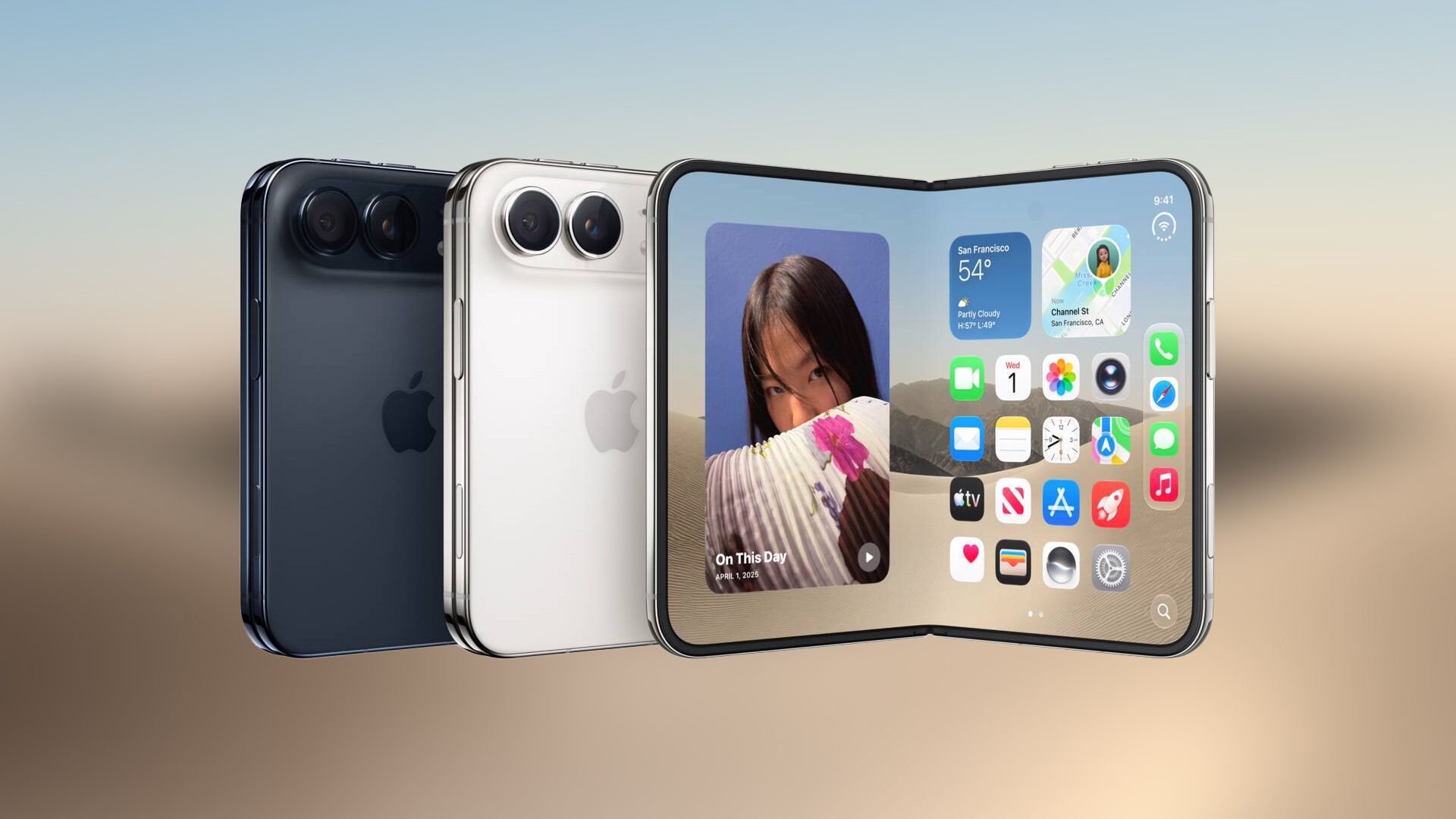
Apple Introduces Replaceable Cover Layer for the New iPhone Duo
In an exciting development for iPhone enthusiasts, Apple has unveiled the iPhone Duo, which features a unique nano-texture cover layer that can be removed and replaced. This innovation was disclosed by Kate Bergeron, Apple’s vice president of hardware engineering, during an interview with content creator Angelica Siciliani Fendi.
Key Features of the Replaceable Cover Layer
The replaceable cover layer serves a critical function by concealing the crease present in the foldable inner display. Bergeron emphasized the engineering efforts taken by Apple to ensure the durability of this layer: “It’s actually replaceable, which is a really nice thing for the customer that you can peel off that layer and get a new one,” she stated.
- Allows for seamless replacement, enhancing the longevity of the device.
- Strategically designed to maintain its condition, minimizing wear and tear.
- Offers an option for customers to replace the layer as needed, particularly if the crease becomes more noticeable over time.
Cost and Service Availability
For customers in the United States who opt for AppleCare+ coverage, the cost to replace the cover layer is set at $19. However, the price for replacement services without coverage has not yet been announced. It is anticipated that replacements will primarily be facilitated through Apple Stores and authorized service providers.
Launch Information
The iPhone Duo is poised to make its debut with pre-orders beginning on October 16 at 5 a.m. Pacific Time, and the official launch in stores scheduled for October 23. This new device is part of Apple’s ongoing commitment to innovation, offering a novel approach to smartphone design with foldable technology.
Conclusion
The introduction of a replaceable cover layer stands out as a significant enhancement for the iPhone Duo, aligning with Apple’s goal to provide flexible and durable user experiences. As iPhone users look forward to the launch, the new features promise to deliver both utility and aesthetic appeal in future smartphone designs.
