


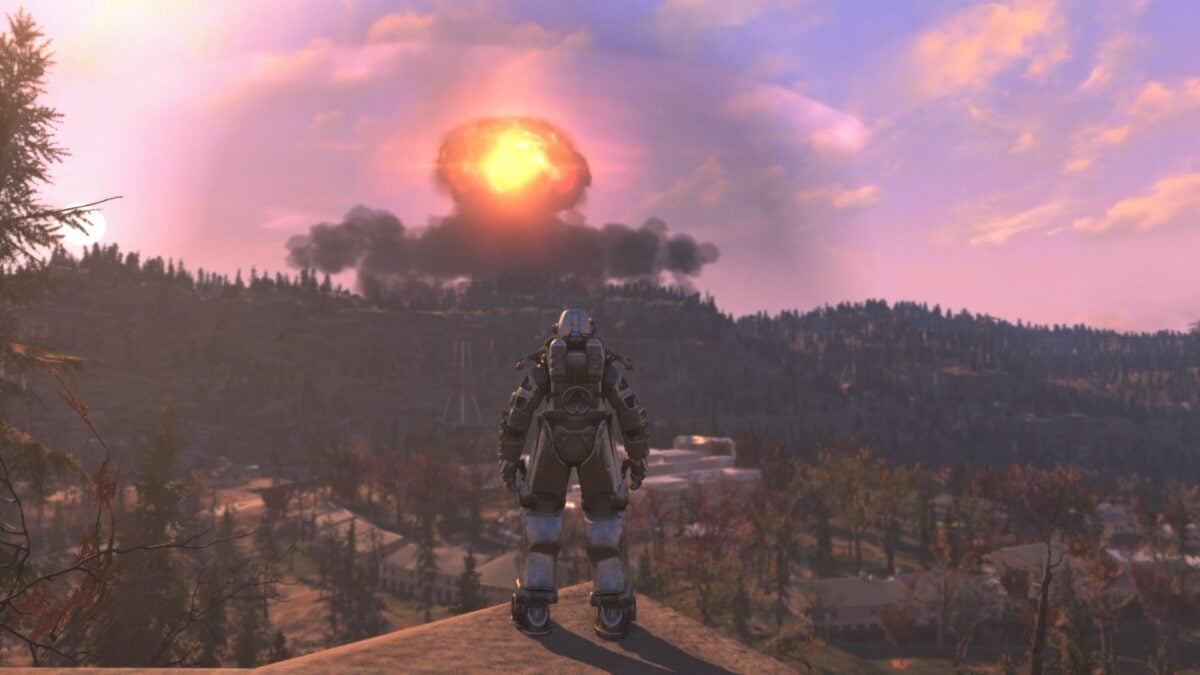
Clash of Creations: Activision and Bethesda Take Action Against Fan Projects
The Rise of Vibe Coding
In recent months, a surge of “vibe coding” has emerged in the gaming community, characterized by the development of fan-made projects that replicate the essence of popular games. However, this trend has drawn the attention—and ire—of major game publishers. Activision and Bethesda, both subsidiaries of Microsoft, have recently initiated actions against two such fan projects.
Bethesda’s Concerns: Fallout: New York
One notable project, Fallout: New York, aimed to create a browser-playable version of the Fallout universe set in New York City. Developed by ChrisFirst using Claude Opus 5.5, the project gained substantial visibility, garnering over 3.5 million views on social media shortly after its announcement on September 28, 2026.
ChrisFirst provided a glimpse into the game’s development, stating, “Quests. Dialogue trees. V.A.T.S. A working Pip-Boy. Zero texture files. Zero sound files. Every building, weapon, face and sound is generated by code.” However, this enthusiastic venture came to an abrupt halt on October 1, when ChrisFirst announced the cessation of the project after receiving a cease and desist from Bethesda. He humorously remarked, “Hey, Bethesda Studios how about you make a Fallout game instead so I don’t have to?” alongside a screenshot of the legal notice, expressing disappointment to his audience.
Activision’s Actions: The Call of Duty Situation
On a parallel note, another incident involved the decompilation of Modern Warfare 2, facilitated by Maurice Heumann who utilized generative AI technology. Heumann shared updates on his progress on X (formerly Twitter), stating that 17 AI agents were working to restore the original game’s source code. By September 30, he announced that the game was nearly bug-free and fully playable.
However, similar to Bethesda’s response, Activision intervened by disabling the media shared by Heumann, stating, “This media has been disabled in response to a report by the copyright owner.” Access to the site purportedly hosting the code was also removed shortly thereafter.
The Broader Implications
The swift takedowns of these projects raise questions about the long-term sustainability of vibe coding in the face of established intellectual property laws. As fan-driven projects rapidly gain traction online, major gaming companies have yet to confront AI technology developers directly, mirroring the earlier battles seen in the music industry against file-sharing platforms. As one observer noted, “Going after the little guys instead of the technology, this is Napster and music industry 2.0, we’ve already seen how this plays out, we win they lose.”
