


Judge Dismisses Criminal Charges Against Olympic Canoist David Hearn
A Washington, D.C. judge has permanently dismissed the criminal charges against David Hearn, a U.S. Olympic canoeist, effectively concluding a protracted legal battle involving allegations of vandalism at the Lincoln Memorial Reflecting Pool. D.C. Superior Court Judge Todd Edelman made this ruling following a request from federal prosecutors who admitted the government’s initial case was flawed.
Background of the Case
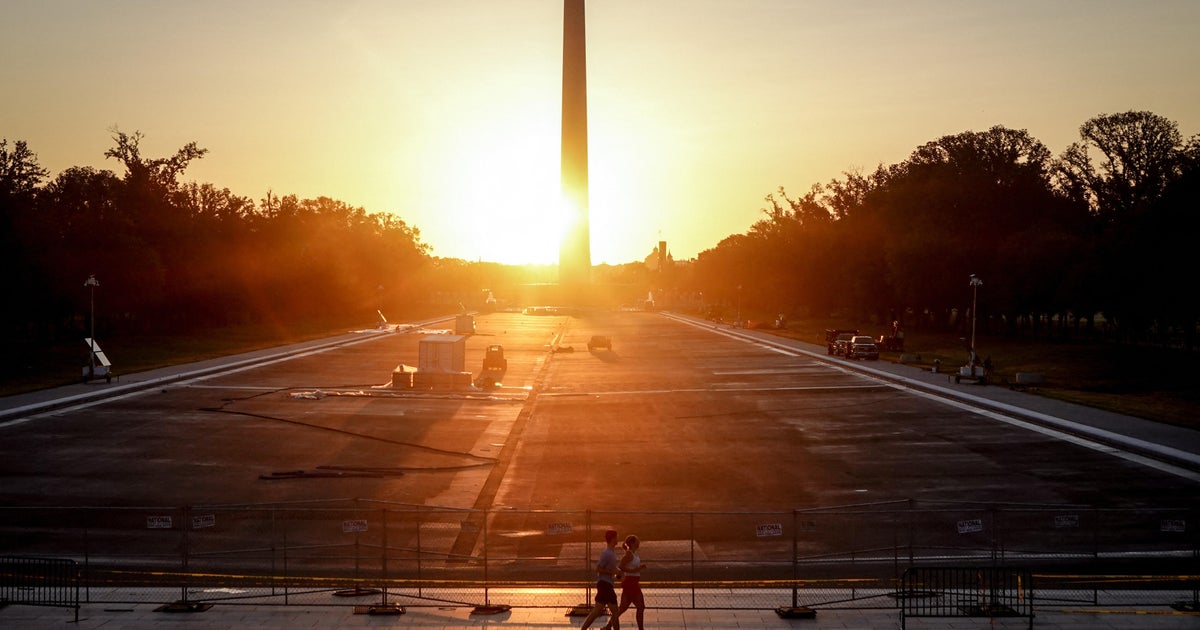
Hearn was indicted earlier this year on felony charges related to the destruction of government property, linked to damages exceeding $1,000 allegedly caused to a sealant recently applied at the pool. He maintained his innocence, claiming he was simply riding his bike near the pool when he was wrongfully arrested after reaching down into the water.
After his arrest in July, the prosecution posited that Hearn had caused damages. However, the U.S. Attorney’s Office later acknowledged that recent findings revealed the damage was actually due to improper installation by the contractor responsible for renovation work, not Hearn’s actions.
Government Admission and Case Dismissal
The prosecution’s motion to dismiss the case highlighted the realization that no crime had been committed by Hearn. The document revealed that issues with the pool’s resurfacing were attributed to a “botched installation” rather than any vandalism. Judge Edelman dismissed the charges shortly thereafter, underscoring the rarity of such swift recognition of prosecutorial error.
Political Fallout
The decision to drop the charges prompted criticism from former President Donald Trump, who expressed dissatisfaction with U.S. Attorney Jeanine Pirro, indicating she had “choked” and made a “mistake” in her judgment. Trump had previously asserted that any damage was the result of vandalism rather than construction errors, even as evidence surfaced contradicting this claim.
Legal and Public Reaction
Hearn’s attorney, Norm Eisen, lauded the judge’s decision as a victory for justice and the rule of law, asserting that the case should never have been initiated. He characterized the prosecution as a “miscarriage of justice” that should be alarming to the public. The case’s contentious nature reflects broader tensions surrounding political influence and charging decisions within the justice system.
Closure and Future Implications
With the case dismissed, there are lingering questions about the federal government’s intentions, as reports emerged that discussions occurred regarding the potential for renewed charges against Hearn. For now, the resolution of this case offers a moment of clarity amidst a complex interplay of politics and law enforcement oversight.
