

A recently conducted national survey by The Highland Project, in collaboration with brilliant corners Research & Strategies, sheds light on the perspectives of Black women regarding the current political landscape under President Donald Trump. The findings showcase a significant level of discontent among respondents, coupled with a strong resolve to safeguard their families and communities as they approach the impending elections.
Named “The Fulfillment Gap,” the survey collected responses from 700 African-American women between August 30 and September 10, a critical timeframe just before the midterm elections scheduled for November 3. Notably, 77% of Black women indicated a strong motivation to participate in the upcoming vote. This represents a shift in the emotional drivers for voter turnout, transitioning from optimism in previous elections to a critical sense of urgency influenced by harsh economic realities, including job losses, eroding voting rights, and rising living costs.
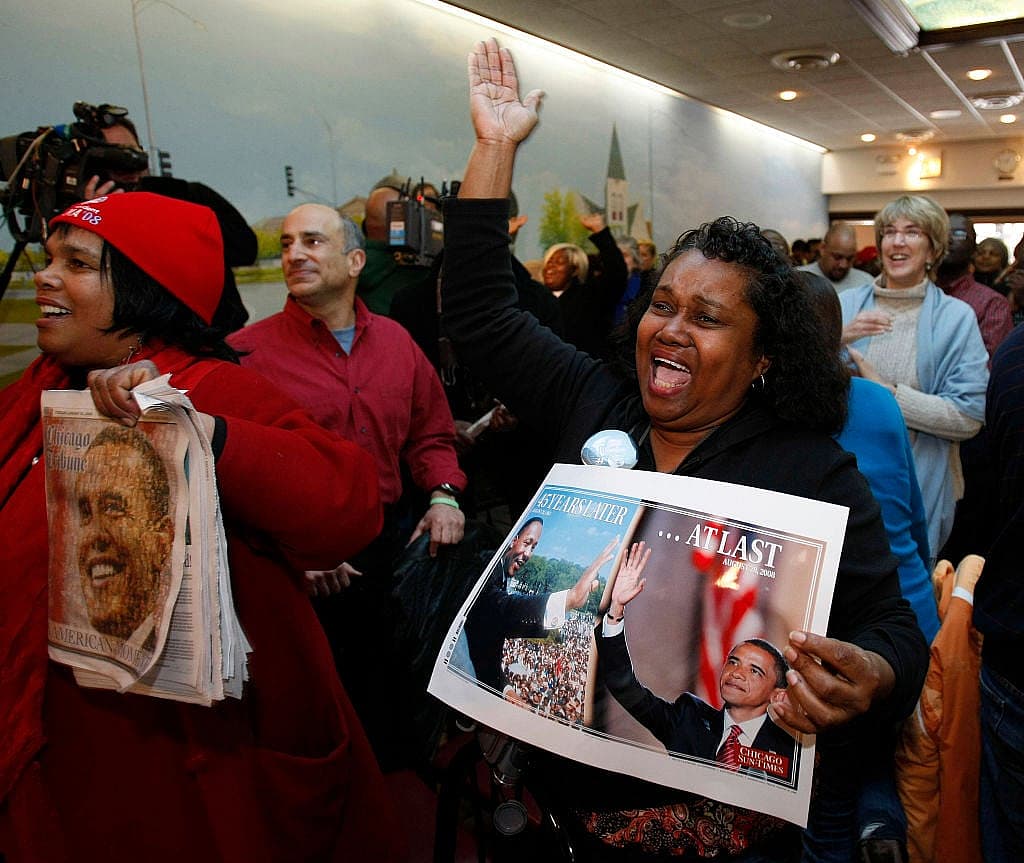
Cornell Belcher, a national pollster and president of brilliant corners Research & Strategies, remarked on the energetic mobilization of Black women voters, noting, “You see an enthusiasm and potential to mobilization this election that I hadn’t seen, quite frankly, since going back to the Obama era.” He highlighted that during the elections in 2008 and 2012, inspired by hope, Black voters successfully matched or even surpassed white voter turnout—an achievement that reversed the gap seen in prior years. However, the upcoming 2026 elections could signal a return to increased participation from Black women voters.
Belcher noted the distinction in motivations: “In 2008 [and] 2012, they were being mobilized around hope and optimism. Today, the chief driver of their mobilization is the idea that we have to protect the community.” This critical reevaluation underscores the current socio-political climate that compels Black women to engage in the electoral process.
Respondents emphasized several concerns as reasons for their heightened interest in the upcoming elections, including:
- A desire for transformative change
- Dissatisfaction with existing leadership
- The struggling economy and steep costs of living
- The need for robust government oversight and accountability
A particularly impactful element of the survey was the reaction to a recent U.S. Supreme Court decision in Louisiana v. Callais, which weakened protections against racial discrimination under the Voting Rights Act of 1965. According to the poll, 87% of Black women reported that changes to voting rights laws intensified their motivation to participate in voting, with 61% asserting that the upcoming midterms are of greater importance than previous elections.
Moreover, a striking 92% expressed dissatisfaction with the country’s overall direction. This statistic is especially poignant, reflecting the overwhelming support 92% of Black women displayed for Kamala Harris in the 2024 presidential election, as they cast their votes against Trump.
Black women have been disproportionately affected by economic adversity during the Trump administration, facing significant job losses compared to other demographics. The survey revealed that 21% of Black women surveyed reported being impacted by federal layoffs, indicating a direct consequence of the current administration’s policies. Belcher commented, “Trump has fired more Black people than probably anyone in the history of the United States.”
Gabrielle Wyatt, the founder and CEO of The Highland Project, highlighted a clear message emerging from the survey results: Black women are seeking decisive leadership that addresses their pressing needs. “They’re not satisfied with leadership. They’re not satisfied with the direction of the country, and they’re naming with extreme precision that it’s not only what’s at stake; it’s already about what has been lost,” stated Wyatt. “It’s naming that institutions and their leaders, party agnostic, are falling short on things that matter most to Black women.”
This sentiment leads to what Wyatt and Belcher term “The Fulfillment Gap,” which refers to the disparity between the critical needs identified by Black women and the responses received from leadership across various sectors. On average, a gap of 5.7 points exists in these categories, encompassing everything from education and crime reduction to voting rights and healthcare.
Belcher explained that this gap originates from a perception that African-American women continue to invest in their communities, yet find that leaders are not reciprocating adequately. Wyatt emphasized that the solutions demanded by Black women point towards the need for systemic change: “We’ve got to move past band-aid solutions.”
Furthermore, the survey also explored the factors contributing to a fulfilling life for Black women. Key components identified include:
- Mental health awareness (94%)
- Financial stability (92%)
- Loving relationships (91%)
- Healthy living (89%)
- Meaningful employment (87%)
- Time for hobbies (81%)
Wyatt underscored the importance of addressing what contributes to joy in the lives of Black women, especially amid ongoing discussions about affordability and well-being. “In a world in which we’re having all of this important conversation around affordability, we also have to have important conversations about: are we well?” she remarked. “That’s why we needed to ask at scale what a joyful life looks like.”
Belcher added that understanding joy in relation to voter engagement provides a more holistic view of Black women voters and their motivations, asserting, “[They] are moved and engaged not because of some idea of a minimum wage or some piece of policy, but they’re moved by joy and trying to get to that joyful place.” This sentiment invites a deeper examination of their motivations and the implications for future elections.
