
Netanyahu’s UNGA Address: A Pivotal Moment for Israel
As Israeli Prime Minister Benjamin Netanyahu prepares to address the United Nations General Assembly (UNGA) in New York, the event marks a crucial intersection of both his political journey and Israel’s contentious dealings with the international community.
Global Criticism and Domestic Pressures
Israel has faced numerous accusations ranging from genocide to systematic war crimes, particularly in Gaza and the occupied West Bank. These persistent criticisms continue to shape Israel’s often strained relationship with the UN.
“The UN is playing host to a war criminal,” stated Sonya Meyerson-Knox, a representative from Jewish Voice for Peace, an organization advocating for Palestinian rights. “Solidarity with Palestinian freedom has never been greater, and here in the US we are demanding with one voice: Stop arming Israel.”
This marks Netanyahu’s 15th appearance at the UNGA, a platform he has utilized to position himself as Afghanistan’s leading voice on the global stage, especially amid domestic challenges that include waning support from the public as elections loom.
The Significance of the Address
Analysts suggest that Netanyahu’s speech at the UN could carry substantial weight in domestic politics, potentially shaping public narrative. Alon Pinkas, a former Israeli consul general in New York, remarked:
“This is a regular fixture for him. It’s his way of being seen in Israel as standing up against the world and of telling members that he will never give up or surrender.”
Netanyahu has, over the years, turned the UNGA address into a significant event in Israel, often viewed as a declaration of policy that defies international skepticism.
A Longstanding Hostility with the UN
For decades, Israeli leaders have characterized their relationship with the UN as marked by opposition, considering it a platform for critics of Israel’s actions, particularly related to the ongoing occupation of Palestinian territories. Recently, UN investigations have described conditions as tantamount to apartheid in the West Bank.
Numerous resolutions condemning Israeli policies have been dismissed by Israeli officials as institutional bias, leading to actions such as labeling UN Secretary-General Antonio Guterres as persona non grata and restricting the operations of the UN’s Palestinian refugee agency, UNRWA.
Growing Domestic and International Tensions
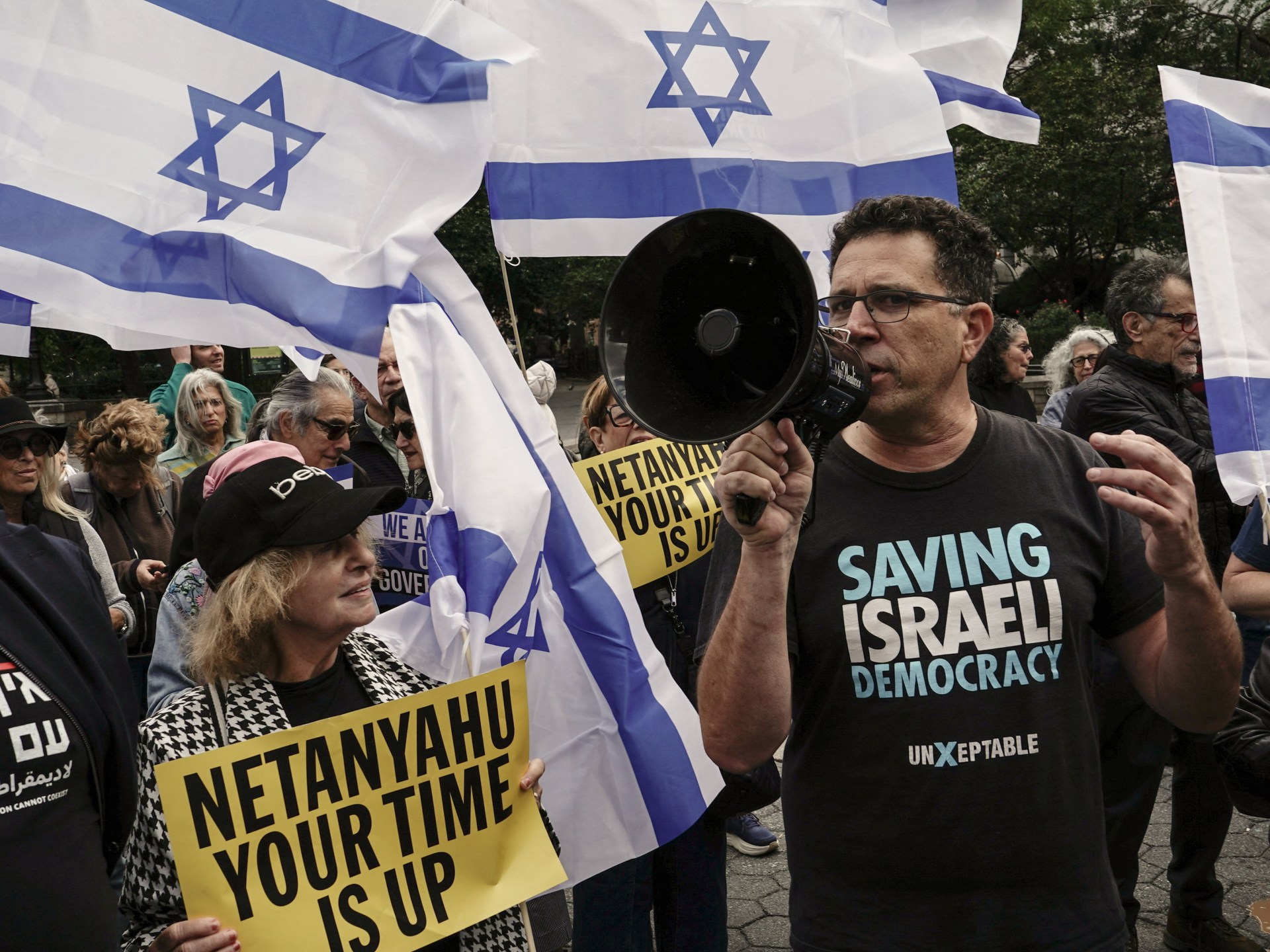
The event has garnered additional attention, particularly following comments from New York Mayor Zohran Mamdani, perceived by some in Israeli media as anti-Israel sentiment. Speculation also surrounds the constraints on Netanyahu’s visit, which are reportedly linked to security concerns, creating an atmosphere of unease.
In response to these challenges, Israel’s ambassador to the UN, Danny Danon, accused the mayor of inciting tensions against New York’s Jewish community and called for his arrest.
US Support and International Relations
Despite perceptions of changing dynamics, US support for Israel remains robust, particularly following recent conflicts. The US has consistently utilized its veto power to fend off resolutions critical of Israeli actions in Gaza, having blocked multiple resolutions since the recent escalation in violence.
“There seems to be genuine frustration within the UN General Assembly over the body’s failure to play a significant political role in Gaza and the West Bank,” mentioned Zizette Darkazally, an associate fellow at Chatham House.
While the UN seeks to provide humanitarian aid to affected regions, it remains constrained by its member states’ commitments and an outdated veto system, which diminishes its power in the face of conflicts not just in Palestine, but also in various global crises.
