


Debate Over Seeding in Women’s College World Series Intensifies
OKLAHOMA CITY — The latest Women’s College World Series (WCWS) has reignited discussions about the NCAA tournament seeding format, particularly after top-seeded Texas A&M suffered unexpected defeats to Liberty in the College Station Regional.
Upsets Spark Concerns
Following the super regionals, where four Southeastern Conference (SEC) teams — namely No. 2 Oklahoma, No. 3 Florida, No. 6 Texas, and No. 7 Tennessee — were lined up on the same side of the bracket, the clamor over the seeding process amplified further.
This sentiment reached a new peak when Tennessee triumphed over Florida, extinguishing the hopes of a Gators team that many viewed as a contender for the national championship.
Reseed Debate
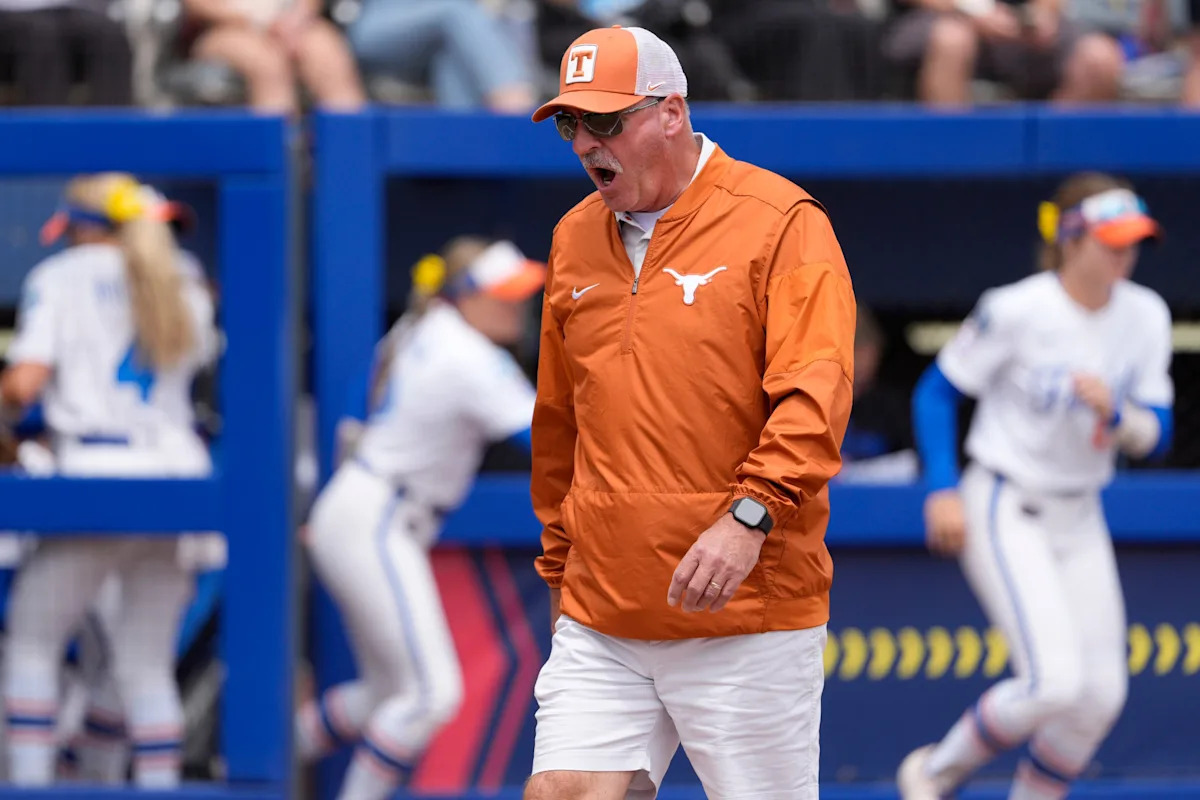
The question arises: why should the highest-ranked teams face each other so early in the tournament? Texas coach Mike White addressed this issue, stating, “I don’t necessarily think that (reseeding) is what needs to be done.” He compared this scenario to the College Football Playoff and NCAA basketball tournaments, arguing for the integrity of the established seeding process.
Changing Landscape of College Softball
White emphasized the increasing parity in college softball, suggesting that the gap between top-tier programs and lower-seeded teams, like Ole Miss, has narrowed significantly over the years. He noted that teams ranked outside the top seeds, such as No. 9 UCLA and No. 16 Oregon, present formidable challenges.
Perspectives from Other Coaches
Many of White’s colleagues share his views. Florida’s coach, Tim Walton, commented before the WCWS began, stating, “If you’re going to win a championship, you have to play good teams anyway, so what’s it matter?” This sentiment reflects a consensus among coaches that success hinges on performance, not just seeding.
Conclusion
The ongoing debates surrounding the WCWS seeding format highlight the complexities and competitive nature of college softball. As the tournament progresses, discussions about how seeding impacts outcomes will likely continue, but the consensus remains: to be the best, you must beat the best.
For more updates and insights, follow the American-Statesman on social platforms.
