

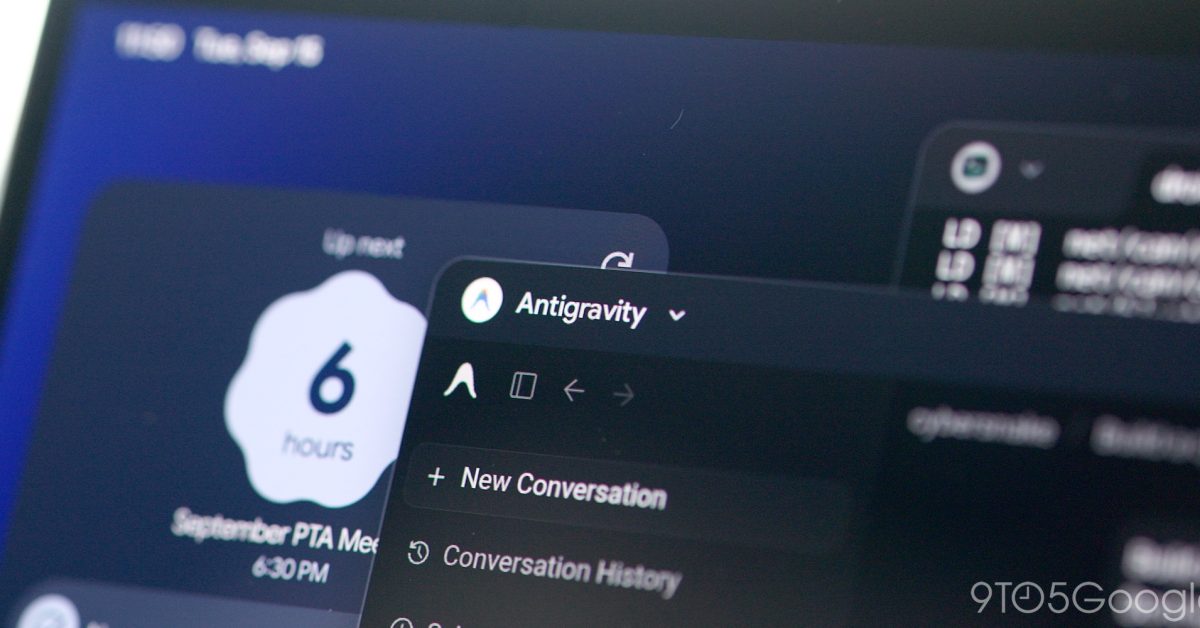
Google’s Antigravity Platform Launches on Googlebook
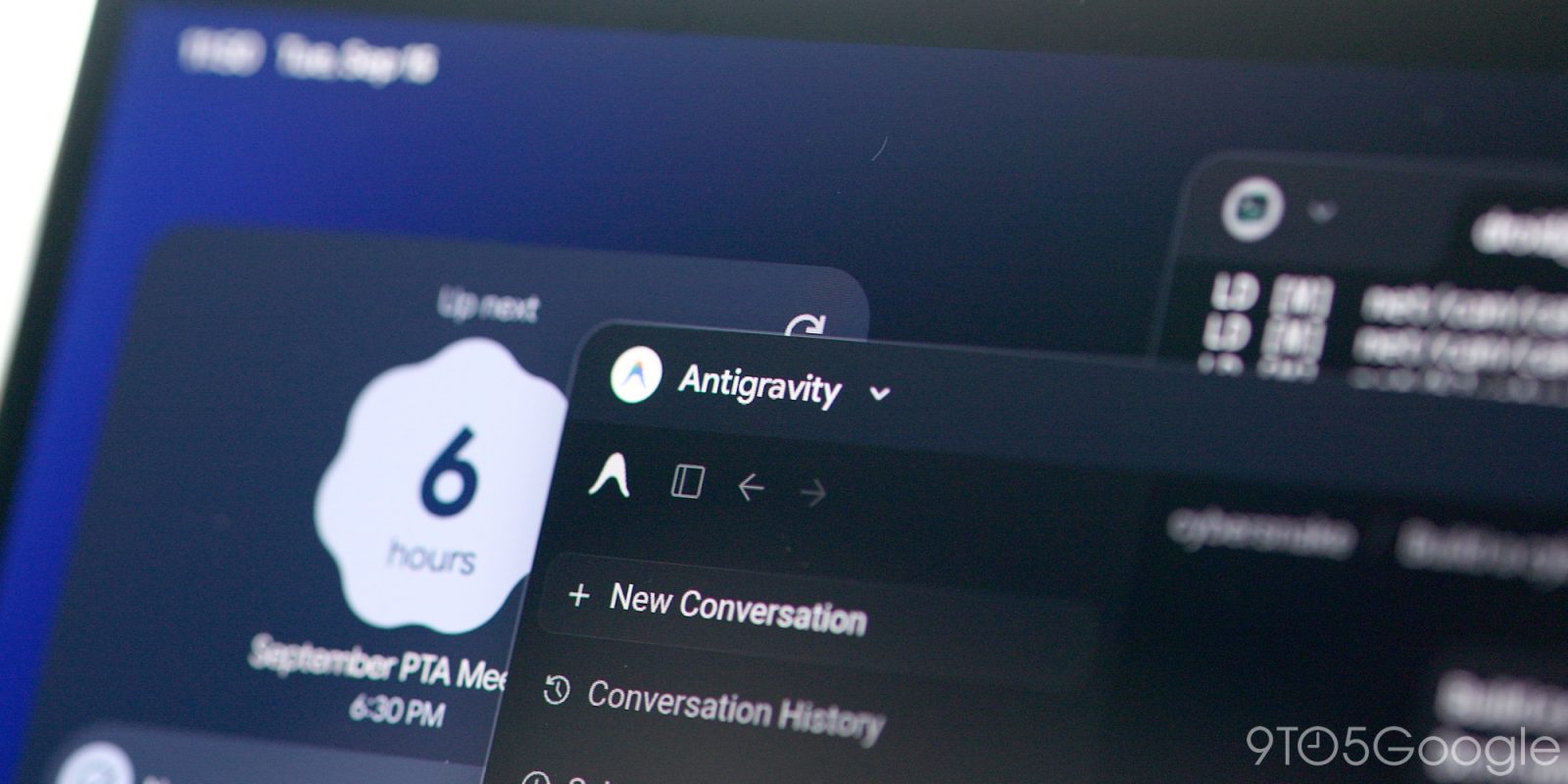
In anticipation of the upcoming Googlebook release, Google has officially launched its Antigravity platform on the Play Store, expanding its accessibility for developers.
What is Antigravity?
Antigravity is an innovative agent-first development platform that manages autonomous agents working in the background. Introduced with version 2.0 during I/O 2026 in May, it serves as a mission control interface for developers.
Compatibility and Features
Following its availability on macOS, Windows, and Linux, Antigravity is now officially accessible on Android devices, particularly optimized for the new Googlebooks. The app facilitates direct app creation and deployment on the Googlebook, leveraging its native environment.
The application package is identified as com.google.android.apps.antigravity, with the current version being 2026.09.23.988012583.
Platform Availability
Currently, Antigravity can only be installed on the Googlebook OS. While the interface may be compatible with tablets and foldable devices, its functionality on smaller smartphone screens remains uncertain.
The visual design of the application mirrors that of its desktop counterparts. However, ongoing developments in other app updates raise questions about maintaining feature parity across platforms.
Enhancing Developer Experience
Antigravity is a significant part of Google’s strategy to make the Googlebook an attractive platform for developers. Users can also choose to install the Linux version alongside tools like Claude Code and OpenAI’s Codex. Furthermore, Google promotes the installation of the Antigravity Command Line Interface (CLI) through the Googlebook terminal.
