

Age Gaps and Casting in the New ‘Sense and Sensibility’ Adaptation
Revisiting Classic Characters
The recent film adaptation of Jane Austen’s ‘Sense and Sensibility’ has prompted discussions about its casting choices, particularly in light of previous portrayals by esteemed actors Emma Thompson and Kate Winslet. Their performances set a high standard, leading many viewers to wonder if the new cast could live up to the legacy they established.
Changing Perspectives on Age Dynamics
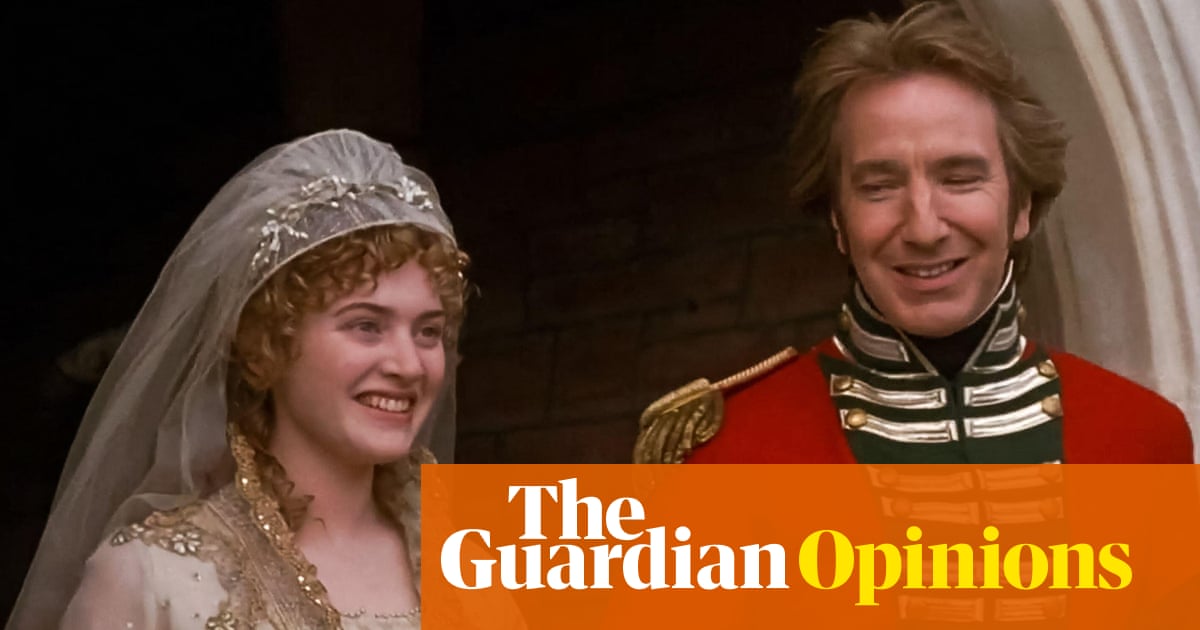
In the original film, Alan Rickman portrayed Colonel Brandon, whose romantic interest in Marianne Dashwood, played by Winslet, introduced a significant age gap. For context, Rickman, born in 1946, was significantly older than Winslet, who was born in 1975. The dynamics of this relationship, modeled on an age difference of nearly 30 years, might not resonate as seamlessly with contemporary audiences, who often scrutinize such age disparities.
Modern Sensibilities at Play
The age disparity raised awareness of themes around consent and exploitation, particularly among younger viewers today. This tension has resulted in filmmakers seeking actors closer in age to fulfill modern expectations. For this adaptation, Herbert Nordrum, 13 years older than Esmé Creed-Miles, was chosen to portray Colonel Brandon. However, even this seemingly slight gap is considered significant in the eyes of many in the Gen Z demographic.
Visual Ambiguity in Casting Choices
In an effort to retain the thematic elements of Austen’s work while accommodating contemporary perspectives, the filmmakers have introduced certain stylistic choices. Nordrum’s character is given a bushy beard and is depicted as Norwegian, which adds a level of ambiguity regarding his age and character traits. This creative direction allows for a broader interpretation of the character dynamic, focusing more on the interactions and their gradual emotional unveiling.
Reactions to Romantic Tropes in Cinema
Age gaps in relationships are not a new topic in cinema; however, they often become points of contention when viewed through the lens of today’s social values. Many classic films featured romances that might now raise eyebrows among younger audiences, who may react with surprise or disapproval at perceived imbalances in power or age.
Reflections on Changing Cultural Norms
The generational divide in perceptions of on-screen relationships highlights a shift towards greater scrutiny regarding consent and character integrity. While the performances of Daisy Edgar-Jones and Esmé Creed-Miles may differ from Thompson and Winslet, they showcase a new interpretation of Austen’s characters. This shift implies a broader acceptance of modern values, suggesting that cultural norms are evolving alongside societal expectations.
