


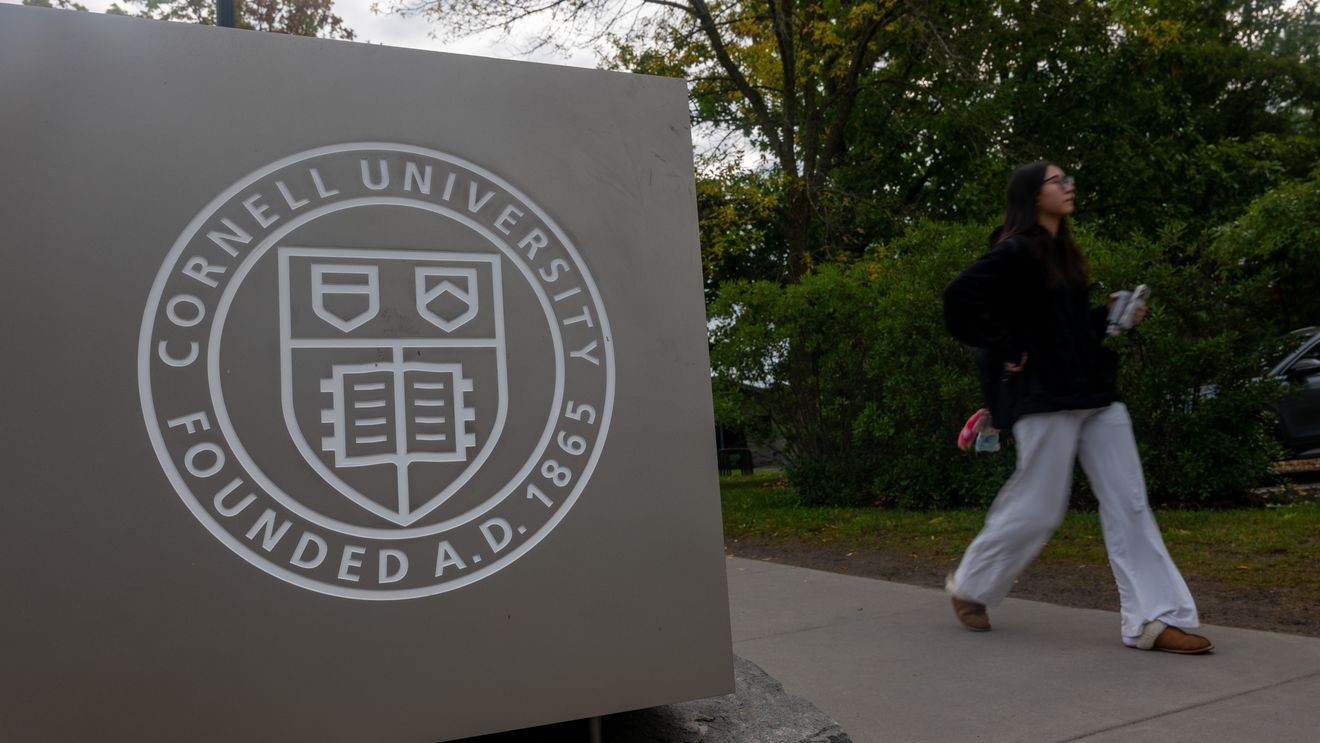
Cornell University Fraternity Lawsuit: Former Member Seeks Expungement of Records
ITHACA, N.Y. — A former student of Cornell University, identified as John Doe, is suing the university for the removal of his name from any lawsuits related to a high-profile sexual assault allegation involving a fellow student, known as Jane Doe. This lawsuit follows a university panel’s decision that found him responsible for Attempted Sexual Exploitation during a Title IX investigation.
Background of the Case
In court documents filed in Tompkins County, Doe claims that Cornell University failed to adhere to its policies by finding him responsible for a charge he was never formally charged with during the initial proceedings. He contends that he was deprived of a fair opportunity to defend himself against the accusations during the appeals process, citing a member of the hearing panel being preoccupied while the appeals testimony was conducted via Zoom.
The Allegations and University Findings
Doe was among several fraternity members charged under Cornell’s Title IX policy due to an alleged incident at the Chi Phi fraternity house in 2024. He asserts that he was only required to defend himself against specific allegations of sexual assault and exploitation, yet was ultimately charged with Attempted Sexual Exploitation instead.
Cornell’s complaint stated that Doe allegedly engaged in inappropriate actions involving Jane Doe by viewing her unclothed and touching her while under the influence of drugs. However, Doe refutes these claims, claiming he has never been involved with illicit substances and has provided evidence to support his defense.
Key Testimonies and Evidence
Doe stated that during the proceedings, he presented extensive testimony, including a medical hair follicle test that confirmed he had not ingested Ketamine, contradicting the allegations. According to the university panel, although John Doe was not found responsible for sexually assaulting Jane Doe, he was deemed responsible for Attempted Sexual Exploitation due to circumstances surrounding his entry into a room where he believed sexual activity was occurring.
Allegations of Procedural Injustices
Doe’s lawsuit outlines that during his appeal, a critical witness’s testimony was compromised due to distractions faced by a hearing panel member who was reportedly driving during the session. Despite these claims, the appeal panel concluded the issue did not taint the proceedings significantly enough to warrant a retrial.
The appeal panel maintained that the distraction was minimal in the context of the extended hearing process. They noted, “We found no error in the hearing chair’s procedural determination that the concerns raised did not render the hearing ‘irreparably tainted.’
Seeking Legal Relief
In his lawsuit, John Doe seeks several forms of relief from the court, including the annulment of the university’s decision, expungement of all charges from his academic record, and a declaration that Cornell misapplied its policies. He emphasizes that Attempted Sexual Exploitation and Sexual Exploitation are distinct offenses and cannot be used interchangeably after the fact.
Current Developments
The controversy surrounding this case has intensified since New York Governor Kathy Hochul appointed a special council to investigate the allegations of rape made by Jane Doe against Cornell University and others involved. The findings of this investigation remain forthcoming.
