
Microsoft Officially Launches Xbox Disc-to-Digital Licensing Program
Introduction to the Program
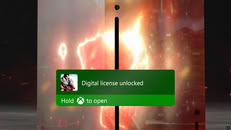
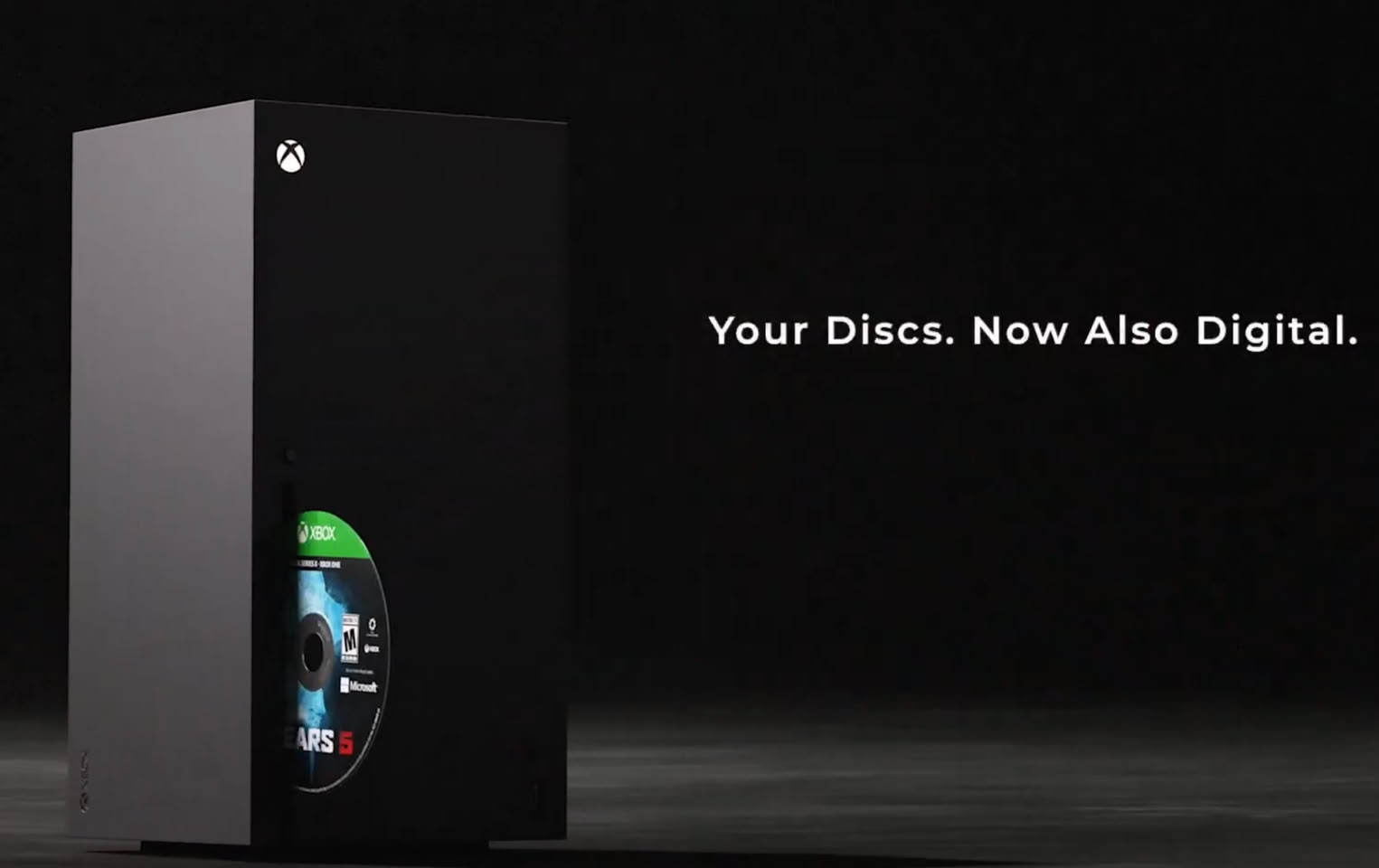
Microsoft has recently expanded its Xbox Disc-to-Digital licensing program beyond its initial rollout to insiders. After a month of public testing, the program is now available for all Xbox users, marking a significant step towards a potential future devoid of physical game discs.
Program Features and Updates
The official launch of the Disc-to-Digital program comes with several important features, as well as updated terms and conditions. A key aspect of this initiative is that not all Xbox One or Xbox Series X game discs qualify for digital licensing. According to Microsoft, game eligibility can change based on various factors including:
- Technical limitations
- Licensing agreements
- Publishing constraints
- Manufacturing issues
- Other unspecified factors
“Not all Xbox One or Xbox Series X game discs are eligible for disc to digital licensing. Eligibility may change over time, and varies due to technical, licensing, publishing, manufacturing, and other factors,” stated Microsoft.
Digital License Conditions
One critical consideration for users is that digital game licenses are revocable. If a user sells or loses their game disc, access to the digital game will be revoked. The infrastructure for managing these licenses may involve built-in digital rights management (DRM), though specific details on handling cases such as lending games to friends remain unclarified.
Compatibility Limitations
While the new licensing program allows for some backward compatibility, it does not extend to Xbox 360 or original Xbox titles, despite the latter two being playable on current Xbox Series X|S consoles. Rumors suggest that the upcoming Xbox Project Helix console may entirely forgo a disc drive, hinting that backward compatibility will only apply to two generations back—namely, the Xbox One and Xbox Series X.
Conclusion
The launch of the Xbox Disc-to-Digital program underscores Microsoft’s commitment to evolving the gaming experience towards a more digital-centric model, while still acknowledging previous generations of gaming. This initiative represents a significant shift in how users may access and own their games in the future.