


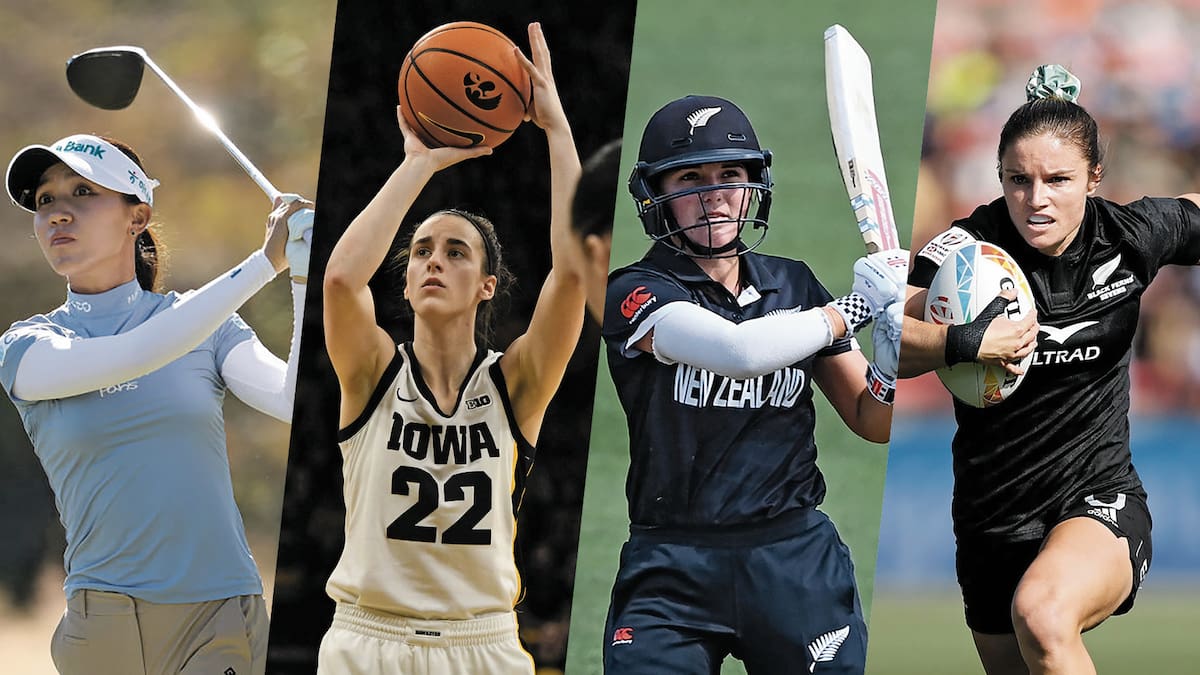
Women’s Sports Coverage in New Zealand: Progress and Challenges
Current Landscape of Coverage
Women’s sports in New Zealand have seen a noticeable increase in media coverage, rising from a mere 15% five years ago to approximately 23% in the current year. Despite this progress, questions remain about the sustainability of this upward trend and whether it will reach the target of 30-35% in the near future.
Voices from the Sport Sector
Raelene Castle, the Chief Executive of Sport New Zealand, is optimistic about the future. “I think this will be the new baseline,” she remarked. She highlighted the growing awareness and positive shifts regarding female sports, noting successful female athletes as catalysts for continued growth. “We’d expect everyone to report on them and celebrate them,” she added.
Visibility of Female Athletes
Notably, while the gender balance in coverage has improved, the visibility of female athletes has declined. The presence of male athletes has increased, primarily due to notable performances in sports traditionally dominated by men. This trend underlines the need for a consistent focus on women’s sports to maintain audience engagement.
Key Factors Influencing Media Representation
- Strong performance from male footballers, leading to reduced coverage of women’s football.
- Increased focus on high-profile male-dominated events such as Formula 1.
- Broadened coverage of women’s sports, leading to fewer female sources and voices in the media.
Growth in Women’s Sports Engagement
Significant achievements in women’s sports have contributed to heightened interest. For instance, Dame Lydia Ko led female athlete coverage in 2024 due to her Olympic gold medal and several other successes. Similarly, the White Ferns’ win in the T20 Cup resulted in increased viewership and participation in women’s cricket.
Olympics and Beyond
The Tokyo 2024 Olympics presented a more promising picture, with female athletes receiving 54% of the media coverage, a marked improvement from previous games. This shift reflects a larger trend where women were responsible for a significant portion of New Zealand’s medal tally in Paris 2024.
Challenges Ahead
Despite these advances, challenges remain. For example, the representation of female journalists in sports media has dropped to 12%, and female presenters have decreased to 43%. Castle emphasizes that ongoing and regular coverage of women’s sports is essential for building familiarity and encouraging participation among younger audiences.
