


Exploring Identity Through Art in a Digital Age
Artistic expression is often a reflection of one’s upbringing, cultural influences, and personal experiences. For many, including artists from diverse backgrounds, the journey of self-discovery can be enriched by both physical and digital landscapes. This is particularly true for those growing up in places with stark social contrasts, such as Colombia, where traditional values coexist with deep-rooted issues surrounding violence and gender norms. In this context, digital platforms can provide a semblance of freedom for individuals navigating their identities.
The Impact of Online Spaces
The internet can serve as a refuge, allowing individuals to explore their true selves away from societal expectations. For young girls feeling marginalized, online platforms can become crucial environments for identity formation. However, this digital liberation can lead to a heightened awareness of physical appearance and social standing, creating a complex relationship with self-image.
Engagement with Self-Help Culture
In 2023, a significant number of young adults are turning to self-help culture online, particularly phenomena like the “Lucky Girl Syndrome.” This trend is characterized by engaging with content promising transformation through guided audio experiences, often involving components such as “layered frequencies” and affirmations. Creators often entice viewers with messages suggesting that positive life changes are imminent merely by listening and participating in these digital rituals.
The Duality of Aspiration
Many individuals find themselves oscillating between irony and genuine belief in these self-help trends. One may aspire to embody the “lucky girl” persona while simultaneously critiquing the superficiality of the culture. This dual approach enriches artistic expression, pushing the boundaries of realism and irony in exploring identity.
Artistic Exploration: Lucky Girl Syndrome
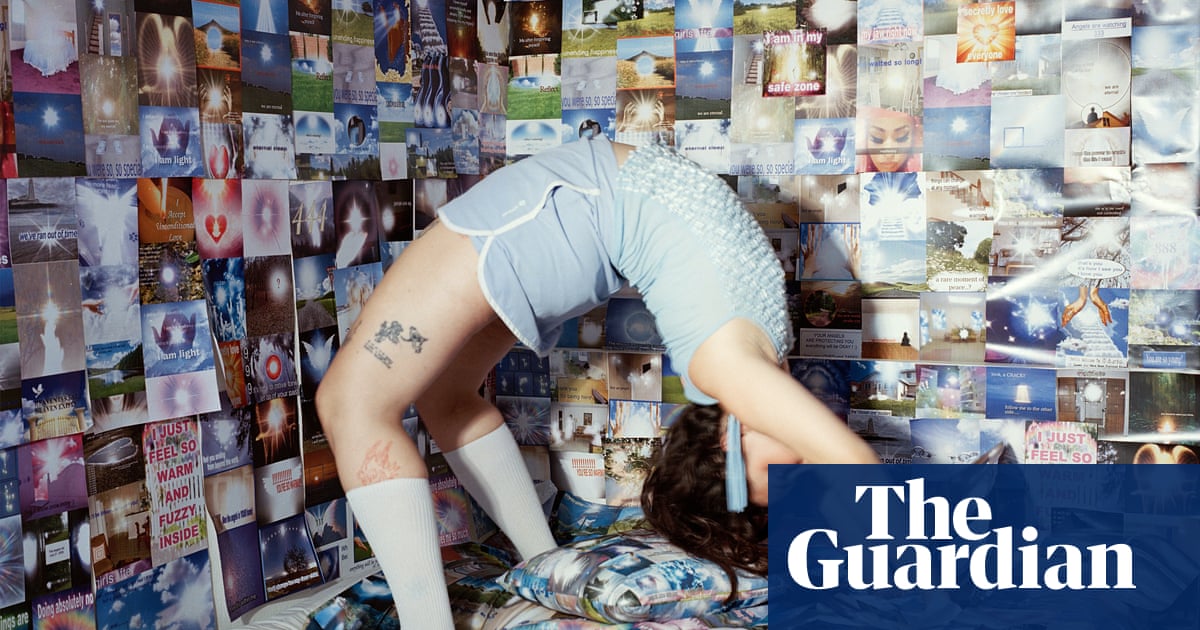
The project “Lucky Girl Syndrome” delves into the intersections of personal aspiration and cultural critique. It employs the aesthetics of online self-help culture to challenge the underpinnings of hope and empowerment represented in contemporary media. Within this body of work, physical spaces such as bedrooms become stages for exploring who these “lucky girls” might embody, emphasizing how digital aesthetics influence personal narratives.
Visual Representation and Meaning
One prevalent aspect of this artistic endeavor involves creating mood boards filled with affirmations that illustrate the intersection of earnest intention and satire. Common phrases, some heartfelt while others humorous, capture the duality of desire and the performance of self. Accompanying visuals, often featuring ethereal light orbs, symbolize the aspirational feelings of lightness and magic that many seek in their lives.
Cultural Commentary on Female Identity
This project does not merely replicate online trends; rather, it serves as a critique of the societal pressures surrounding femininity. In cultures where beauty often translates to worthiness, and where traditional ideals coexist with modern expectations, the female form is frequently seen through a lens of utility and aesthetics. “Lucky Girl Syndrome” is a critique of how self-help culture can simultaneously empower and control women, revealing the complex dynamics at play.
The interplay of personal experience, cultural identity, and digital media creates a fertile ground for artistic exploration. Understanding these elements is vital in unpacking the narratives surrounding women’s identities and the societal constructs that influence them.
