


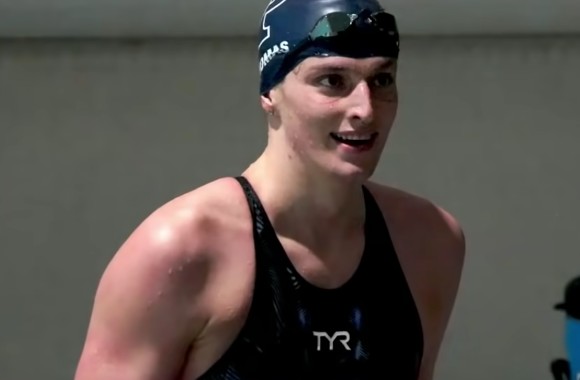
UPenn’s Title IX Resolution: A Shift in Athletic Policies
The University of Pennsylvania (UPenn) has reached a significant resolution regarding its policies on gender in athletics, following a Title IX complaint filed by the Trump administration. The agreement, announced by the U.S. Department of Education, aims to address past violations linked to the participation of transgender athletes in women’s sports.
Background of the Case
UPenn faced scrutiny for allowing Lia Thomas, a transgender athlete, to compete on its women’s swim team, sparking widespread debate on the implications for women’s sports. The recent findings from the Department of Education deemed this practice a violation of Title IX, which prohibits sex-based discrimination in educational programs and activities.
Key Terms of the Agreement
To resolve the Title IX concerns, UPenn has agreed to several concrete measures, including:
- Restoration of women’s athletic records and titles previously impacted by male athletes’ participation.
- A commitment to public compliance with Title IX, clearly stating that males will no longer compete in female sports or use female facilities.
- Implementation of biology-based definitions for male and female within its athletic programs.
- A public apology directed to female athletes who competed against Lia Thomas, acknowledging the emotional and competitive impact of her participation.
Reactions from Stakeholders
The resolution has received positive feedback from various women’s rights advocates and former athletes. U.S. Secretary of Education Linda McMahon praised the agreement as a significant step towards safeguarding women’s sports, stating, “Thanks to the leadership of President Trump, UPenn has agreed both to apologize for its past Title IX violations and to ensure that women’s sports are protected at the University for future generations of female athletes.”
Riley Gaines, a swimmer who competed against Thomas at the University of Kentucky, expressed her approval on social media, saying, “UPenn has agreed to right its wrongs, restore records to the rightful female athletes and issue an apology.”
Impact on Women’s Sports
This development is seen as a pivotal moment not only for UPenn but also for women’s athletics nationwide. Advocates believe it signifies the possibility of holding universities accountable for their policies surrounding gender in sports. Payton McNabb, a sports ambassador for Independent Women, commented on the agreement’s implications, stating, “Today marks a turning point for female athletes and proves that no matter how powerful institutions may seem, truth and fairness still win.”
Conclusion
The agreement by the University of Pennsylvania represents a notable shift in the ongoing debate surrounding gender and athletics. By adhering to Title IX and committing to specific policy changes, UPenn aims to restore fairness and equity in women’s sports, paving the way for future compliance across collegiate athletics.
