


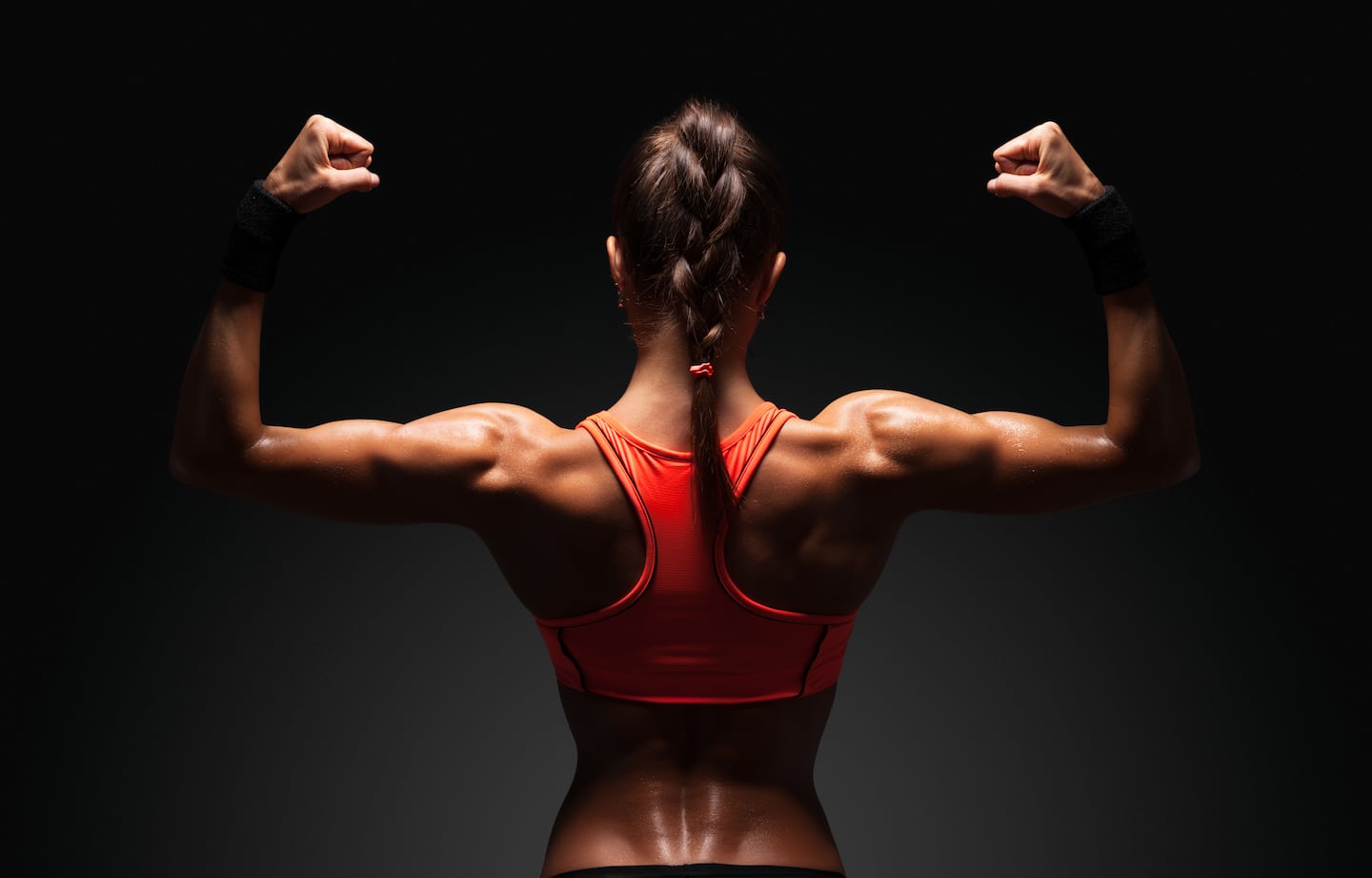
The concept of female strength has often gone unnoticed or misunderstood, leading to a lack of adequate exploration into its various dimensions. This oversight suggests a narrower definition of strength, which fails to account for the unique physiological capacities that women possess.
Research reveals that female bodies are not just resilient but built for endurance and recovery. Women are generally more effective at resisting fatigue, recuperating from exertion, and maintaining muscle mass into older age compared to men. Moreover, studies indicate that women typically have stronger immune systems and more efficient metabolic processes in endurance scenarios. Notably, estrogen, often viewed negatively, plays a vital role in healing skin and muscle tissues and regulating inflammation. The gains in ultra-endurance sports highlight this strength; for instance, Tara Dower recently set a record on the Appalachian Trail, finishing 13 hours ahead of the previous male record-holder.
Despite these attributes, female strength continues to be underappreciated due to limited definitions. Similar to how our understanding of intelligence has evolved beyond mere problem-solving abilities to encompass emotional, social, and creative facets, the notion of strength must also expand.
While maximal weightlifting is impressive, it only captures a fraction of what strength entails. The capacity to endure low-weight activities for prolonged periods, resist infections, and maintain a high quality of life into old age points towards a broadened understanding of strength, framing the female body as a model of a different kind of physical prowess rather than an exception.
This is not about opposing genders; rather, it’s important to recognize that male bodies exhibit significant strengths, traditionally in explosive power. The concern lies in the historical precedence given to male strength as the sole valid form of power.
The underappreciation of female strength has tangible consequences. This diminished view can lead to the sidelining of female perspectives in scientific research and leadership, as well as misunderstanding in medical contexts. For instance, female athletes often receive training approaches designed for “smaller men,” despite differing physiological responses to nutrition and injury. Furthermore, medical conditions predominantly affecting women remain underdiagnosed, impacting those suffering from issues like endometriosis and chronic pain, which are more common among women.
On a positive note, recent decades have seen a shift, particularly through the work of female researchers who are bridging the gaps in our understanding. Studies have begun to illuminate how women’s bodies manage heat, energy, and stress recovery, as well as their unique responses to various health challenges.
For instance, Caroline Gargett from Monash University discovered that menstrual blood contains valuable stem cells that can be pivotal in disease research and treatment, shedding light on conditions affecting all genders in addition to women-centric issues.
Yet, significant gaps in knowledge persist, largely due to historical biases in inquiry. A more inclusive understanding of strength is crucial—one that not only acknowledges extraordinary achievements but also values endurance, recovery, immune function, adaptability, and resilience.
