


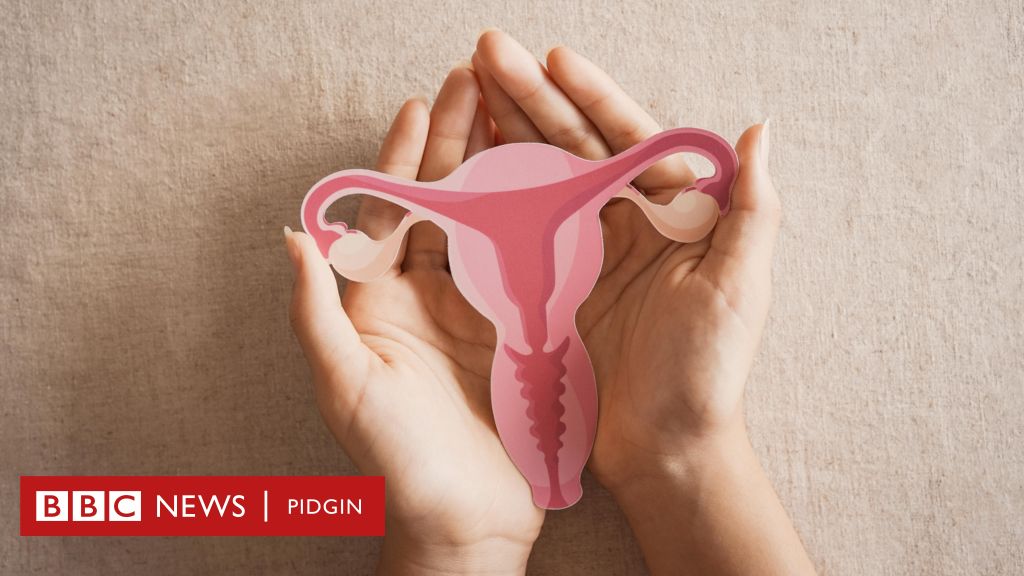
Understanding Amenorrhea: Common Causes for Missed Periods
Amenorrhea, the absence of menstrual periods, can be concerning for women of childbearing age. While pregnancy is the most recognized reason for a missed period, there are multiple underlying factors that may lead to this condition. Understanding these causes can help women make informed health decisions.
Normal Menstrual Cycles
For most women, menstruation occurs every 28 days, with cycles generally varying between 24 and 35 days. Occasional missed periods are not usually a cause for alarm; however, frequent occurrences can signal underlying health issues.
Consultation Guidelines
Healthcare professionals, including the UK National Health Service (NHS), recommend consulting a doctor if:
- You miss periods consecutively for three months and are not pregnant.
- Your periods stop before the age of 45.
In the United States, the Mayo Clinic also advises seeking medical guidance if menstruation has not begun by age 15.
Common Contributors to Amenorrhea
Here are the eight most common non-pregnancy-related causes of amenorrhea:
1. Stress
Stress can significantly impact a woman’s menstrual cycle. According to Dr. Amira Alkourdin Martinez, a gynecologist, “Stress is the most important reason and a real pandemic of our time.” It triggers hormones like adrenaline, affecting menstrual regularity and intensity. If stress is a factor, the NHS recommends regular exercise and stress management techniques, such as breathing exercises and cognitive-behavioral therapy.
2. Sudden Weight Loss
Rapid weight loss can disrupt the hormonal balance needed for ovulation. Severe calorie restriction may prevent menstruation. Registered nutritionists can support women who are underweight, particularly those with a BMI below 18.5, to gain weight healthily. Eating disorders like anorexia require psychiatric intervention for treatment.
3. Overweight or Obesity
Excess body weight can lead to higher levels of estrogen, resulting in irregular periods or missed cycles. For women with a BMI over 30, doctors often suggest nutritional support to achieve a healthy weight, which can help restore regular menstrual function.
4. Intense Physical Exercise
High levels of physical activity can also affect menstruation. Intensive exercise routines may disrupt hormonal levels, potentially halting ovulation. Sports medicine specialists can provide guidance on maintaining optimal performance levels while avoiding excessive physical strain.
5. Polycystic Ovary Syndrome (PCOS)
PCOS is a widespread hormonal disorder affecting approximately one in ten women in the UK and accounts for about 33% of amenorrhea cases. It leads to the development of multiple underdeveloped follicles in the ovaries, which can inhibit ovulation.
6. Menopause or Premature Menopause
Menopause is a natural transition that occurs between ages 45 and 55, characterized by decreasing estrogen levels and irregular periods. Premature menopause, occurring before age 40, affects about 1% of women and can result in amenorrhea.
7. Contraceptive Use
Certain forms of birth control, including pills, injections, and implants, may cause amenorrhea. It can take time for a woman’s menstrual cycle to normalize after discontinuation of oral contraceptives.
8. Other Medical Conditions and Long-term Medications
Chronic medical conditions such as diabetes or hormonal imbalances like hyperthyroidism or hypothyroidism can lead to missed periods. Some medications, including antipsychotics and drugs for allergies, can also affect menstrual regularity.
Conclusion
If you are experiencing missed periods, understanding potential causes is essential for addressing your health. Consult a healthcare provider for personalized advice and support.
