


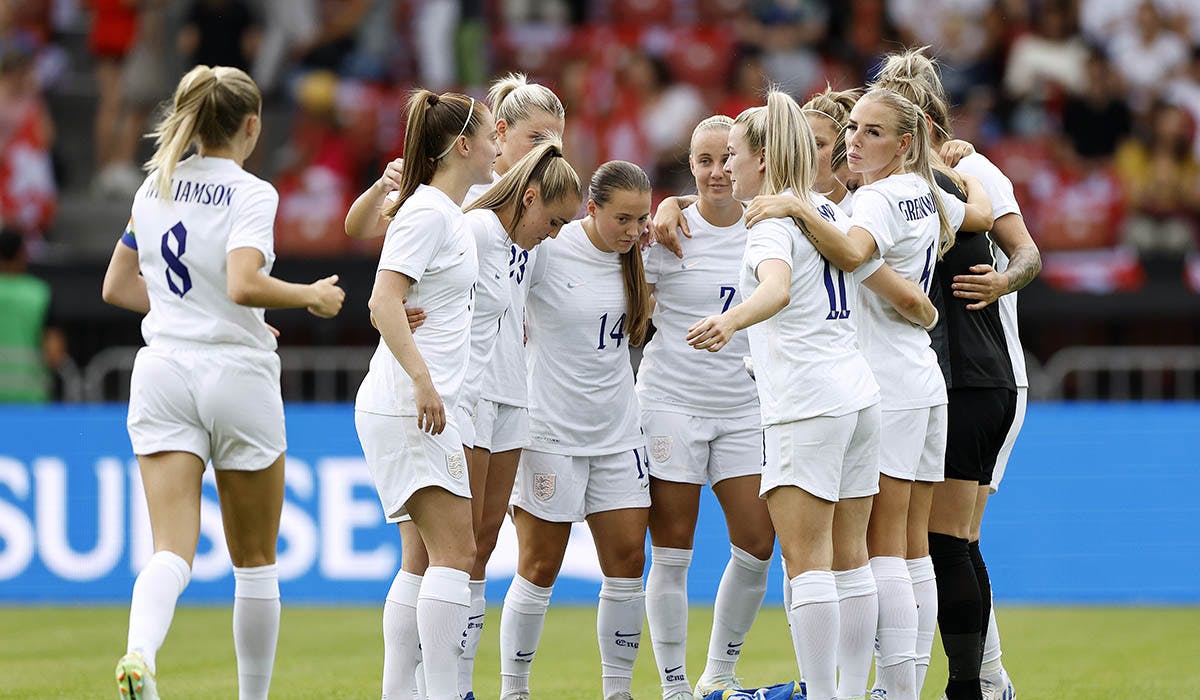
Recent findings from Havas Play reveal that while nearly half of British consumers exhibit a more favorable attitude toward brands sponsoring women’s sports, a significant portion (29%) cannot identify any relevant sponsors.
Sponsorship opportunities in women’s sports are on the rise, prompting various brands to explore innovative collaborations with clubs, athletes, and organizations. This trend is evident in partnerships such as Crosta Mollica’s collaboration with an Italian women’s football team and Elf Beauty’s investments across multiple sports, indicating a shift in target sponsorship demographics.
Despite the growing enthusiasm, a substantial gap remains in brand recognition within the market. Approximately 29% of fans are unable to name any sponsors for women’s sports, hinting at an underlying challenge brands face in maximizing their marketing efforts.
Interestingly, consumer sentiment is largely positive. Half of participants in the research indicated they feel more positively about brands supporting women’s sports. This sentiment is even stronger among younger adults, with 63% of them expressing support, and 66% among higher-income individuals.
A clear majority (60%) believe brands are crucial in uplifting women’s sports, with close to 65% advocating for equal sponsorship when compared to men’s sports. However, respondents also highlighted areas for improvement, with nearly half (47.4%) feeling that brand support for women’s sports remains insufficient and 39.2% noting a generally negative public perception of these sports.
Fan Expectations from Brand Engagement
When it comes to specific preferences regarding brand involvement, nearly 38% of fans desire that brands promote gender equality. Additionally, 30% expressed a preference for investments in grassroots initiatives and local community projects.
Brand involvement in women’s sports can often be transient, with only a quarter of respondents wanting brands to establish long-term, consistent partnerships.
The Rising Influence of Athletes
The personalities of female athletes significantly influence fan engagement. Almost half (49%) of fans expressed an interest in more content that highlights the personal lives and behind-the-scenes moments of these athletes. Humor and real-life storytelling also appeal to 40% and 27% of respondents, respectively.
On social media platforms, fan motivations vary; 43% follow athletes for updates, while 40% do so to show support and 27% seek connection with the community. This trend aligns with the overall digital expansion of women’s sports, which contrasts with declining traditional broadcast figures.
Digital Growth Amid Broadcast Decline
Recent reports indicate a notable decline in broadcast viewership, with a 13% drop in the three-minute reach of UK broadcasts for women’s sports from January to May 2025—the first such decline since 2022. However, social media channels are thriving, showcasing a 105% increase in TikTok views for the top eight women’s sport accounts and an 84% rise in YouTube views during the same period.
“Fans follow personality, so no wonder they’re backing this new roster of sporting talents who are not only top-tier athletes but digital natives and brilliant storytellers,” states Ellie Moss, strategy partner at Havas Play UK. She adds that a proactive approach from brands could foster a fully funded, thriving commercial ecosystem for women’s sports over the next decade.
