

U.S. Concludes Anti-ISIS Mission in Iraq: A Shift in Security Dynamics
End of an Era
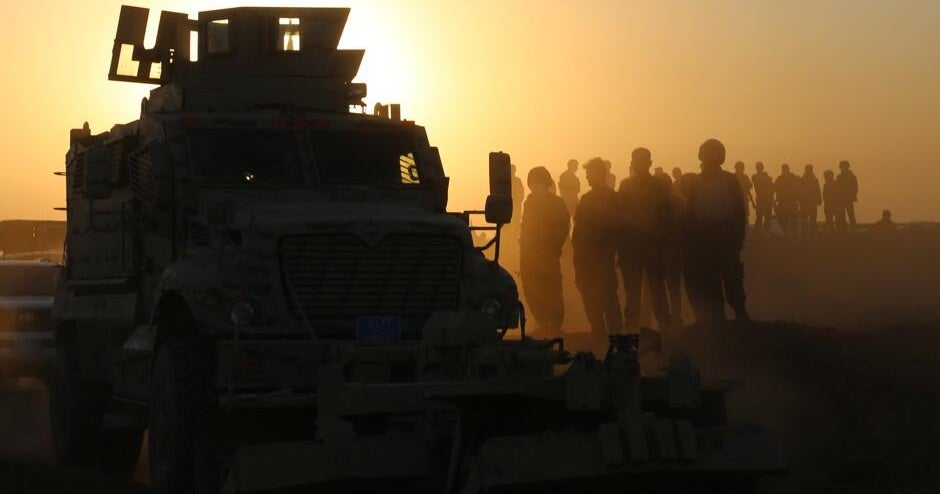
On September 30, 2026, the U.S. military officially declared the conclusion of its anti-ISIS operations based in Iraq. This decision was made as U.S.-led coalition forces and equipment were withdrawn from Erbil Air Base in accordance with prior agreements with the Iraqi government.
Sean Parnell, a spokesperson for the Department of Defense, stated, “The orderly departure of Coalition forces and equipment from Erbil Air Base marks the successful conclusion of the military mission that defeated ISIS in Iraq.” He further emphasized that this transition signifies the end of a 12-year campaign that successfully diminished ISIS as a military threat both in Iraq and throughout the broader region.
Operation Inherent Resolve
The U.S. began its campaign against ISIS with Operation Inherent Resolve in 2014, targeting the group that emerged from al-Qaeda’s remnants and took control of significant territories in Iraq and Syria.
By early 2026, the U.S. military presence in Iraq had decreased to around 2,000 personnel, a sharp decline from over 160,000 during the peak of the Operation Iraqi Freedom surge in the late 2000s.
While U.S. forces have been actively involved in both Iraq and Syria, the withdrawal of approximately 1,500 troops from Syria earlier this year marked a strategic pivot in American military operations in the region.
Future of Iraqi Security
The withdrawal aligns with a broader agreement forged between the U.S. and Iraq, intending to transition to a partnership that places Iraq in the lead concerning its own security. Iraq’s government has announced the formation of a strategy aimed at defeating ISIS effectively by 2025, with the Inherent Resolve mission expected to be phased out by the end of 2026.
Despite these developments, ISIS remains a persistent threat. Earlier this year, the group was implicated in the deaths of two U.S. soldiers and a translator during an attack, leading to swift U.S. retaliation through airstrikes.
Iran-Backed Militias and Regional Tensions
The exit of U.S. forces occurs amid growing concerns regarding Iran-backed militia groups in Iraq. These militias have reportedly carried out over 600 attacks against U.S. personnel and facilities from February to April 2026. Recent discussions between U.S. Defense Secretary Pete Hegseth and Iraqi Prime Minister Ali al-Zaidi have focused on this contentious issue and the future of U.S.-Iraq relations.
Al-Zaidi has pledged to disarm the Iran-aligned militias in Iraq, with a timeline suggesting disbandment by June 2027, extending from an earlier target of September 2026.
Concerns Over Security and Stability
The cessation of U.S. military operations was met with mixed reactions in Iraq. While the government labeled September 30 as “Sovereignty Day,” implying a celebration of newfound independence and stability, lingering doubts remain regarding the Iraqi security forces’ ability to maintain order. Some analysts argue that the government has struggled to assert control over the Iran-aligned militias, raising concerns about potential threats to national security.
Saman Noah, a journalist and regional political analyst, noted that many Iraqis harbor skepticism about the government’s capacity to manage both external threats and internal armed groups operating outside state authority.
The Role of Kurdish Forces
Throughout the past several decades, Kurdish forces, particularly the Peshmerga, have aligned closely with U.S. military efforts, combatting ISIS alongside coalition teams. Kurdish leaders express apprehension about the shifting power dynamics within Iraq, particularly concerning Iranian influence.
Noreldin Waisy, an adviser in the Kurdistan Regional Government, emphasized the importance of Kurdish interests in maintaining a robust partnership with the U.S.: “We fought side by side with our American allies to bring peace and stability to the region.” He reaffirmed the necessity for a continued bilateral understanding between the U.S. and Kurdistan.
