


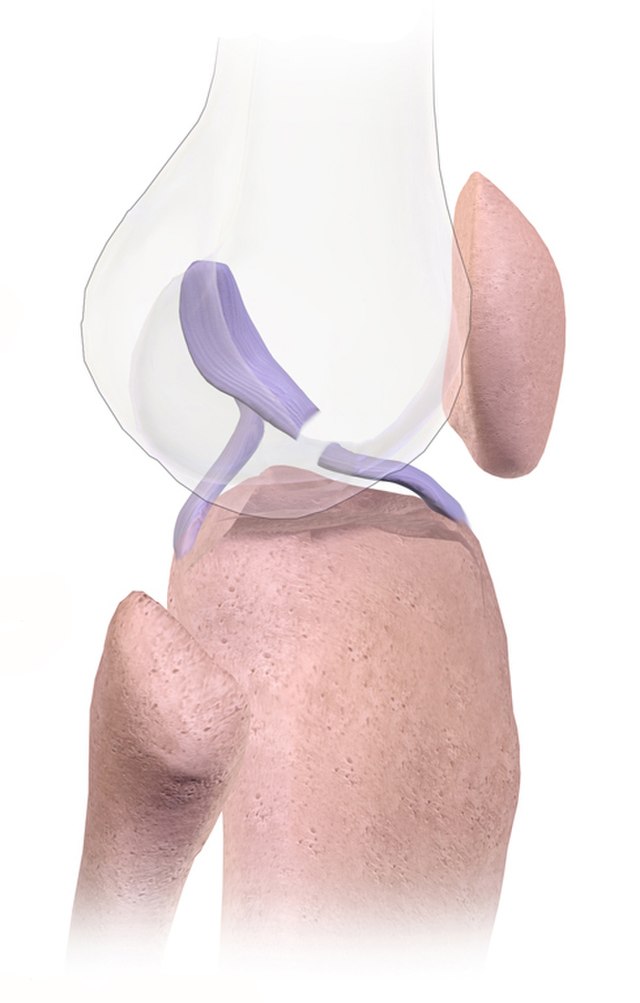
Understanding ACL Tears: The Higher Risk for Female Athletes
Anterior Cruciate Ligament (ACL) injuries are a common concern among athletes, particularly in high-impact sports such as basketball. These injuries can occur during intense activities like jumping or quick directional changes. However, research indicates that female athletes are at a significantly greater risk of experiencing an ACL tear compared to their male counterparts.
Increased Vulnerability in Female Athletes
According to Dr. Christina Allen, chief of Yale Sports Medicine and an ACL surgery specialist, “ACL injuries are particularly common in women’s sports.” Studies suggest that female athletes are two to eight times more likely to suffer from ACL tears than males. This disparity can be attributed to several physiological factors inherent to the female body.
Biological Factors Contributing to ACL Injuries
The anatomical structure of females plays a crucial role in knee health. Women generally have a wider pelvis, which alters their biomechanics during activities that place stress on the knee joints. Additionally, there is a muscle imbalance often observed in female athletes; they tend to rely more on their quadriceps, the muscles at the front of their thighs, while under-utilizing their hamstrings, located at the back. This difference can compromise knee stability during rapid movements.
Dr. Allen further notes, “As women grow up, anatomical differences include different quad-to-hamstring ratios — women tend to be more quad-dominant.” This muscle dominance, combined with other factors such as alignment and foot pronation, creates vulnerabilities in the female athlete’s mechanics.
The Hormonal Influence
Hormonal factors also play a significant role in the susceptibility to ACL injuries. The National Library of Medicine highlights the impact of relaxin, a hormone primarily produced by females, which contributes to ligament laxity. Elevated levels of relaxin can lead to weakened ligaments, increasing the likelihood of injuries such as ACL tears.
Prevention Strategies
While the risk of ACL injuries is elevated for female athletes, there are strategies that can mitigate this risk effectively. Prevention programs focusing on strengthening the hamstrings are crucial. These programs can improve landing techniques and enhance knee stability, effectively reducing the chances of sustaining an ACL injury. Moreover, understanding hormonal cycles can assist athletes in tailoring their training regimens appropriately, which can enhance performance and decrease injury risk.
