


Close Menu
Newsward
  • World
  • US
    • Politics
  • Tech
    • Science/Tech
  • Money
    • Business and Market Watch
    • Crypto
    • Career
  • Health
    • Fitness
  • State of Women
  • Opinion
  • Sports

Subscribe to Updates

Get the latest creative news from FooBar about art, design and business.

What's Hot

Market Watch Leaders Alumni Award For Best Marketing: Plum Market –

October 3, 2026

She left Vegas to live on a ‘Blue Zone’ island where people live past 100 years old

October 3, 2026

The $139K Retirement Savings Gap Hitting Women Over 60 in 2026 – MoneyLion

October 3, 2026
Newsward
  • World
  • US
    • Politics
  • Tech
    • Science/Tech
  • Money
    • Business and Market Watch
    • Crypto
    • Career
  • Health
    • Fitness
  • State of Women
  • Opinion
  • Sports
Subscribe
Newsward
Home » There is no ‘bipartisan’ way to organize the Senate
Opinion

There is no ‘bipartisan’ way to organize the Senate

Newsward™By Newsward™October 3, 2026No Comments3 Mins Read
Facebook Twitter Pinterest LinkedIn Tumblr WhatsApp VKontakte Email
There is no ‘bipartisan’ way to organize the Senate
Share
Facebook Twitter LinkedIn Pinterest Email

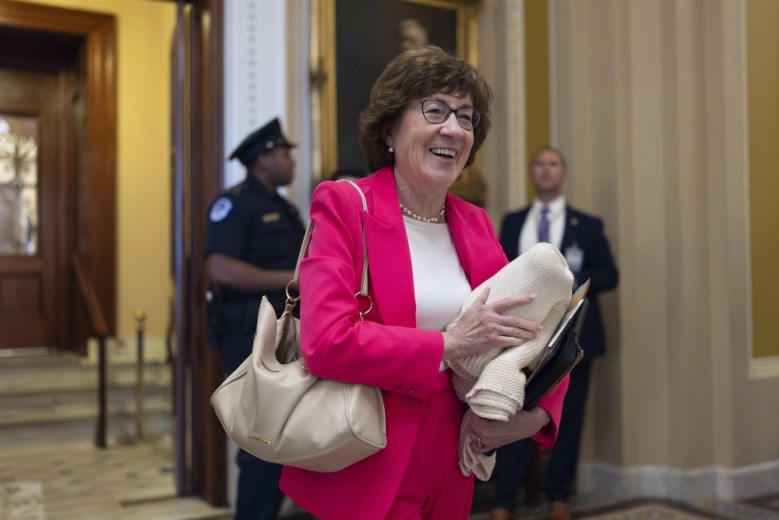
Assessing the Bipartisan Legacy of Senator Susan Collins

Senator Susan Collins, the Marson-Moller-McNulty Professor of Government at Colby College, has made her bipartisanship a central theme of her political narrative. This is a strategic approach, particularly in a state like Maine, which leans Democratic and values moderation in politics.

The Context of Collins’ Bipartisanship

Mainers often prioritize candidate quality over party affiliation, which has allowed Collins to build a successful career based on this philosophy. However, her bipartisan credentials have become a topic of scrutiny.

Democratic Criticism

Collins frequently faces criticism from Democrats who argue that her departures from party lines are infrequent and strategically timed. Critics claim that she votes against Republican leadership only after the success of a measure is ensured or after procedural motions have determined its fate, rather than following through on genuine bipartisanship.

A Closer Look at Bipartisanship

The Lugar Center’s Bipartisan Index consistently ranks Collins among the Senate’s most bipartisan members. Nevertheless, in 2025, CQ Roll Call reported that she aligned with President Trump’s policy stance approximately 95% of the time.

This situation highlights a significant shift in the Senate landscape. In a polarized Congress, a senator who votes against party lines occasionally can be labeled ‘bipartisan.’ However, this definition has evolved over time.

Historical Context of Moderation

In the 1990s, when Collins began her Senate career, moderate Republicans were integral to legislative processes. Figures like Bill Cohen and Olympia Snowe from Maine, along with national figures such as John Chafee and Nancy Kassebaum, exemplified collaboration across party lines to achieve legislative goals. Today, the meaning of ‘moderation’ often reflects limited dissent rather than ongoing collaboration and consensus-building.

The Contemporary Political Landscape

Today’s Senate is characterized by heightened polarization, meaning that genuine cross-party collaboration is significantly rarer. Moderates are often expected to focus merely on dissenting votes instead of actively participating in the legislative process to forge bipartisan agreements. This paradigm shift raises questions about the effectiveness of modern bipartisanship, particularly as dissenting votes may occur after significant decisions are already made.

An Example from Maine

For instance, in the summer of 2025, when Medicaid cuts in the federal budget were finalized with minimal opposition, Collins voiced her disapproval. While her dissent was noted, it had no bearing on the outcome as the decisions were already established.

The Significance of the Organizing Vote

The most impactful vote Collins engages in every two years is not on individual pieces of legislation but rather the organizing vote that establishes the Senate’s leadership. This critical decision shapes the agenda of all legislative discussions that follow.

Should Collins be reelected, her vote will likely support Republican leadership, a choice that cannot be framed as a moderate or bipartisan action.

Implications for Maine’s Interests

Collins may argue that her position as chair of the Appropriations Committee yields benefits for Maine; however, this same organizing vote also empowers more partisan Republican figures who hold influence over crucial committees affecting the state’s interests. For example, chairs overseeing fisheries and public lands may not align with Maine’s values and priorities.

Conclusion: A Critical Perspective for Voters

While Collins’ occasional defection from party lines holds some significance, it is essential for voters to assess the broader implications of her organizing vote. As she encourages Mainers to prioritize candidates over parties, this fundamental vote does the opposite and risks empowering agendas counterproductive to the state’s needs.

Bipartisan organize Senate
Share. Facebook Twitter Pinterest LinkedIn Tumblr WhatsApp Email
Previous ArticleIsraeli Airstrike in Gaza Kills Five, Including Four Women: Officials – Global Banking & Finance Review
Next Article Dr. Vonda Wright’s 4×4 Strength Formula For Women Over 50
Newsward™
Newsward™

Related Posts

CBS News poll finds voters split on state v. national focus in tied Maine Senate race

October 3, 2026

Love & Relationships: No house, no spouse? – NewVision.co.ug

October 3, 2026

Man suspected of repeatedly recruiting girls for sugar daddy relationships

October 2, 2026

Jail for woman involved in rigged mahjong games

October 1, 2026
Top Articles

Volleyball Falls to Charlotte

September 13, 2025

Woman calls friendship exhausting despite friend’s generosity — MarketWatch

September 29, 2026

Empowering Insights: Women in Tech Statistics for 2025

November 27, 2025

Exploring Japanese Men’s Views on Independent Women

August 12, 2025
Don't Miss
Business and Market Watch

Market Watch Leaders Alumni Award For Best Marketing: Plum Market –

By October 3, 20260

Plum Market: Merging Grocer and Boutique Wine Shop with Modern Marketing Strategies (Photo by Matthew…

She left Vegas to live on a ‘Blue Zone’ island where people live past 100 years old

October 3, 2026

The $139K Retirement Savings Gap Hitting Women Over 60 in 2026 – MoneyLion

October 3, 2026

Allison Fisher: Pool pioneer retiring from professional competition after being diagnosed with Parkinson’s disease

October 3, 2026

Subscribe to Updates

Subscribe to our newsletter and stay updated with the latest news and exclusive offers.

About Us
About Us

NEWSWARD is an independent news and media company covering the economy, politics, international affairs, and a changing world. Through articles, podcasts, video, and candid conversations, we connect major events to their impact on your life, your livelihood, and your future.

Our purpose is simple: help you understand what matters, think critically, and make informed decisions.

See what’s happening now. Know what’s next.

Don't Miss

Market Watch Leaders Alumni Award For Best Marketing: Plum Market –

October 3, 2026

She left Vegas to live on a ‘Blue Zone’ island where people live past 100 years old

October 3, 2026

The $139K Retirement Savings Gap Hitting Women Over 60 in 2026 – MoneyLion

October 3, 2026
Most Viewed

Volleyball Falls to Charlotte

September 13, 2025

Woman calls friendship exhausting despite friend’s generosity — MarketWatch

September 29, 2026

Empowering Insights: Women in Tech Statistics for 2025

November 27, 2025
  • About Us
  • Contact Us
  • Privacy Policy
  • Terms and Conditions
  • Disclaimer
© 2026 Newsward. All Rights Reserved.

Type above and press Enter to search. Press Esc to cancel.