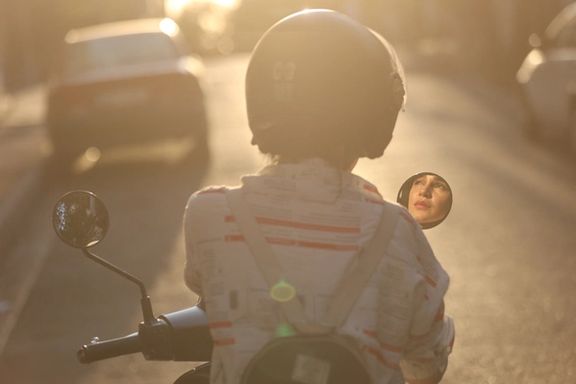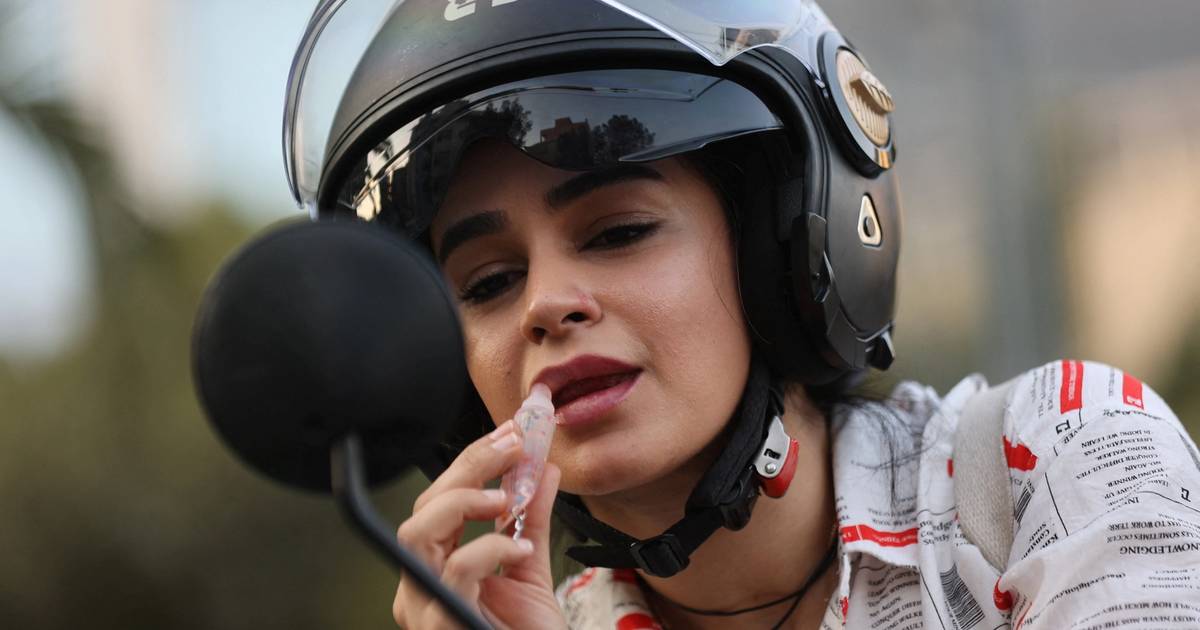
Colonel Einollah Jahani, previously the deputy head of Iran’s traffic police, recently highlighted a legal ambiguity regarding motorcycle licensing in Iran. According to Jahani, Article 20 of the country’s traffic law specifies the duty of police to issue motorcycle licenses for men, leaving women unaddressed by this legislation. He stated, “From a legal perspective, this article only clarifies the police’s duty toward men and does not prohibit issuing licenses to women. The silence of the law has created a gap that must be resolved by parliament.”
The Iranian government is currently addressing this issue with a bill submitted to parliament, according to state media. However, Jahani expressed concerns about some lawmakers’ hesitance to extend licensing to women due to potential conflicts with Islamic dress codes. He countered, stating, “Both men and women must wear helmets, and helmets provide the necessary coverage to meet hijab requirements. This is a safety obligation that also addresses religious concerns.”
Legal Framework for Women’s Motorcycling
Brigadier General Teymour Hosseini, head of the traffic police, reiterated that any moves towards licensing women motorcyclists would necessitate formal amendments to current laws. He remarked that the police force is “awaiting an official notification on women’s motorcycling so we can proceed.”
While women have the legal right to own and register motorcycles, they currently cannot obtain licenses, which places them in a legal gray area. Jahani underscored this inconsistency: “There is no prohibition for women to own motorcycles under the constitution. They can hold official registration papers in their own name, so logically they should also be able to obtain licenses.”
Growing Demand for Motorcycling Among Women
There is an increasing demand among women for the right to ride motorcycles, attributed to factors such as economic necessity, traffic congestion, and the need for accessible transportation. Jahani noted, “In the past there was no demand, but today motorcycling has become a social demand,” adding that studies indicate women generally operate vehicles more cautiously compared to men.
This discourse surrounding women’s rights is pivotal given the ongoing protests in Iran triggered by the death of Mahsa Amini while in police custody in 2022. Jamani emphasized the societal shifts occurring as public sentiment continues to evolve.
Despite significant pressure from conservative factions, who argue that permitting women to ride motorcycles may contravene social norms, reformist officials propose that formal training courses could bridge the divide, offering a practical solution.