


UN Women’s Controversial Approach to Women’s Rights in Conflict Zones
Recently, a satirical skit from the Israeli television show Eretz Nehederet drew attention to the perceived inaction of UN Women regarding the plight of Israeli women affected by violence from Gaza. The sketch humorously depicted UN officials siding with a Hamas representative rather than acknowledging the experiences of the victims.
UN Women’s Messaging Amid Controversy
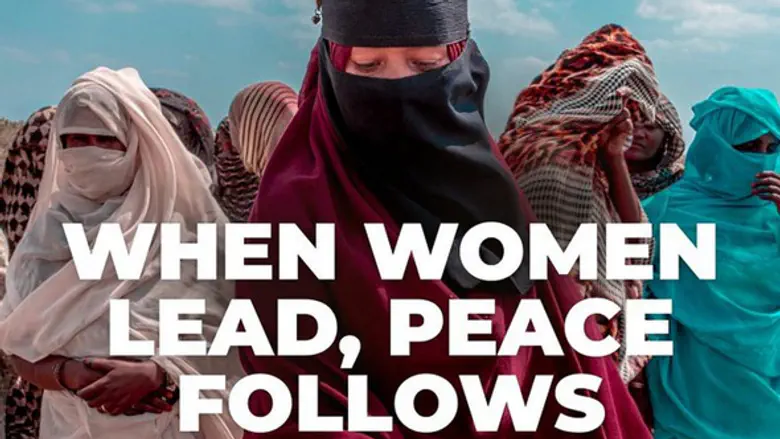
Amidst this backdrop, UN Women’s social media channels featured a post emphasizing the vital role of women in peacebuilding initiatives. The post illustrated a woman in a niqab—symbolizing Sharia law—holding seeds, accompanied by text advocating for female leadership in achieving global peace. This imagery has sparked significant debate.
Criticism from Various Quarters
Critics have challenged the portrayal, arguing that it underscores a troubling alignment between the UN and oppressive regimes. Notable voices include:
- Ferghane Azihari: The liberal essayist criticized the narrative, suggesting that it implies a progressive endorsement of attire associated with misogynistic practices.
- Hillel C. Neuer: A prominent international law specialist from UN Watch, he remarked on the depiction of women subjected to Sharia law, labeling it problematic.
- Sophia Aram: The French columnist raised questions about internal power dynamics within the UN, speculating on who holds influence in such narratives.
- Jean Quatremer: A journalist for Libération expressed outrage, claiming this stance reflects the UN’s susceptibility to extremist influences.
Funding Influences
The financial support from countries like Qatar and Saudi Arabia has also come under scrutiny. Qatar recently donated $1 million to UN Women, intended to bolster women’s empowerment initiatives globally. Critics argue that such funding raises questions about the motivations behind the UN’s advocacy for women’s rights.
The concern extends to broader implications: with the Organization of Islamic Cooperation being one of the largest voting blocs at the UN, critics suggest that the organization’s stance may increasingly reflect the values of its donors rather than universal human rights standards.
The Broader Context of Women’s Rights
In light of the current situations faced by women in Iran and Afghanistan, many have expressed frustration over the UN’s messaging. The portrayal of a “free woman” in a niqab raises complex questions about autonomy, submission, and the global discourse surrounding women’s rights. Julie Burchill, a noted commentator, described it as emblematic of a misguided empathy that obscures the reality of oppression.
Conclusion
The ongoing debate surrounding UN Women’s recent communicative choices highlights a critical intersection of gender, culture, and international relations. While the intent may be to promote women’s empowerment, the execution and implications of such representations warrant thoughtful analysis and dialogue.
