


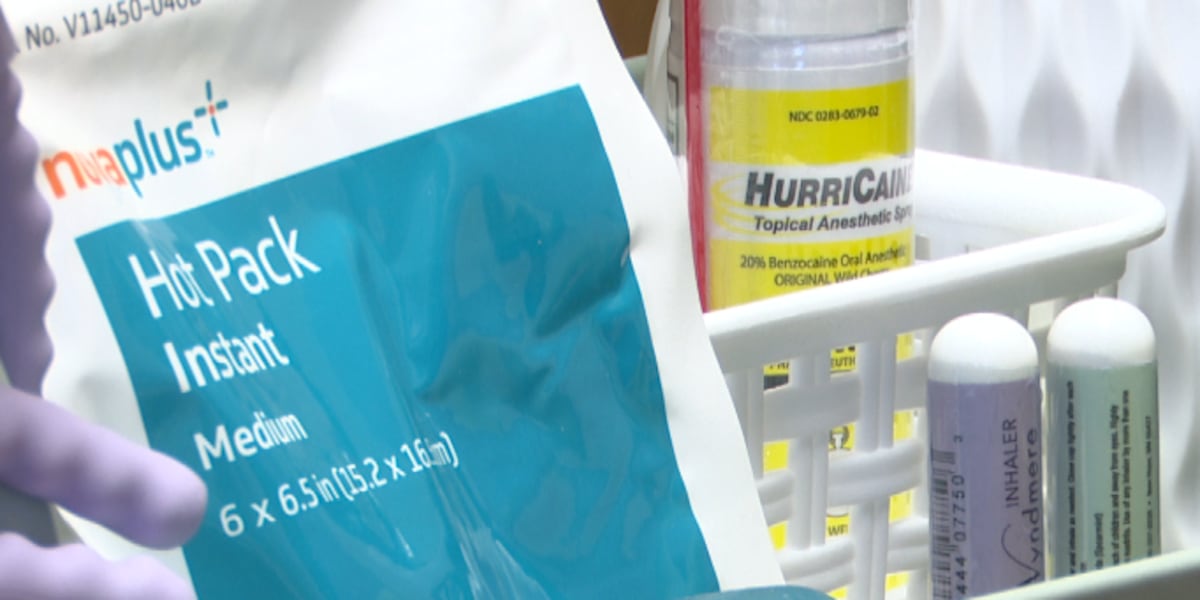
BISMARCK, N.D. (KFYR) – The discomfort associated with women’s health procedures has long been a minimalized issue, resulting in inadequate pain management for gynecological treatments. The American College of Obstetricians and Gynecologists (ACOG) has recognized this gap and emphasized the urgent need for improved care.
Understanding Women’s Pain Experience
Dr. Kristin Gray, an obstetrician and gynecologist at Sanford Health in Bismarck, highlights a troubling trend: women’s pain is frequently discounted. Research indicates that this issue disproportionately affects non-white women and adolescents, leading to increased suffering for those with prior trauma, including pelvic floor disorders or a history of sexual abuse.
“As soon as the speculum is placed, that can just trigger traumatic memories, and that in and of itself can cause more pain for women,” Dr. Gray stated, emphasizing the psychological aspects of these physical experiences.
The Impact of Pain on Future Healthcare
Procedures that are particularly painful can deter women from seeking necessary healthcare. Dr. Gray pointed out that even benign gynecological visits can result in lingering agony, presenting a barrier to ongoing medical care. High levels of anxiety leading up to these appointments exacerbate the situation.
Disparities in Pain Management
A significant concern is that health providers often do not address pain management options with female patients. In contrast to the more extensive pain care frequently provided to male patients undergoing similar procedures, women often leave appointments without adequate relief options discussed.
Dr. Gray suggested that methods like topical relief creams, aromatic therapy, and heat applications can substantially alleviate discomfort. Unfortunately, not all clinics have access to these alternatives. “They may not have the EMLA cream options. They may not have the spray available, and some of those things we’ve just gotten in the last two years when we’ve started pushing for it more,” she explained.
Personalized Pain Management Approaches
The ACOG stresses that healthcare providers should engage in discussions about pain management tailored to individual needs. This shift in focus ensures that women do not have to initiate conversations around their discomfort, paving the way for more supportive healthcare experiences.
“It’s really important that we’re treating women individually and that we’re taking care of their pain so that in the future, they don’t have these painful associations with coming to the gynecologist,” said Dr. Gray.
Acknowledging Bias and Improving Care
In closing, ACOG emphasizes the importance of healthcare professionals recognizing any biases they may harbor while striving to understand their patients’ pain more comprehensively.—
Additionally, research suggests that scheduling procedures earlier in the day could help alleviate anxiety, further enhancing the patient experience and potentially reducing pain perception.
