


Empowering Women Through Sustainable Initiatives in Kolkata
A Quiet Revolution in Sonagachi
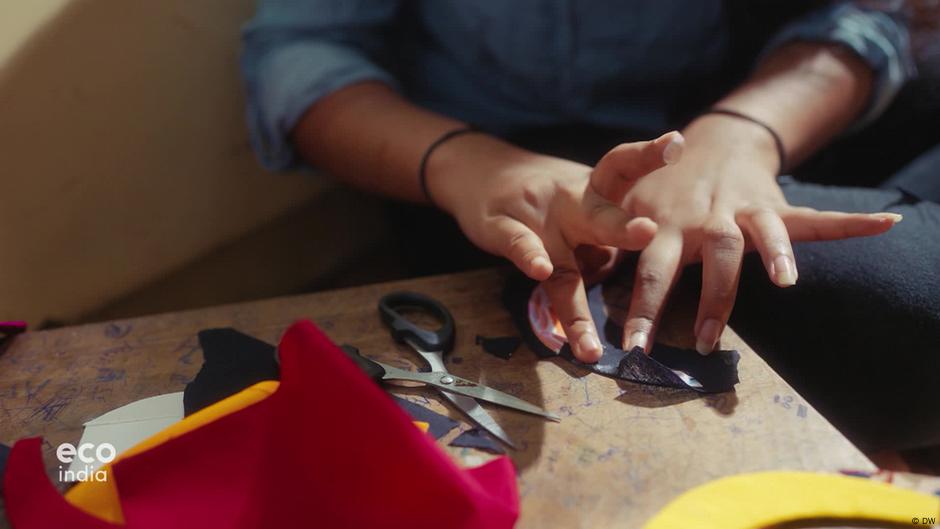
In Kolkata’s Sonagachi, the largest red-light district in India, a transformative movement is underway. A young woman, previously caught in a cycle of forced sex work, has discovered a new path with the help of Hamari Muskan, an NGO dedicated to empowering women. After completing a year of training, she now contributes to the production of handmade goods, utilizing recycled materials. Her journey exemplifies the resilience and creativity of many women determined to reclaim their dignity.
The Role of Circular Economy in Social Change
Organizations like Hamari Muskan, along with others such as Destiny Foundation and Reflection, are at the forefront of this movement, turning waste into sustainable products. These NGOs provide opportunities for women rescued from trafficking to learn skills that allow them to repurpose discarded materials—such as old saris and fabric scraps—into marketable items.
- Training programs offer stipends, which ensure financial stability during skill development.
- After training, women receive fair wages, fostering financial independence.
- The products range from fashionable bags made from recycled saris to eco-friendly goods sold in zero-waste shops, highlighting a shift towards ethical fashion in Kolkata.
Education and Future Initiatives
Education plays a crucial role in sustaining this change. Initiatives like the “Catch Them Young” program are teaching circular economy principles to over 300 schools across India. This approach aims to instill sustainability from an early age, ensuring future generations are better equipped to prioritize ecological responsibility.
Furthermore, social enterprises such as Destiny Foundation are scaling up operations, producing thousands of unique products each year and reaching markets internationally. Each handcrafted item not only reduces waste but also serves as a testament to the strength and determination of women rewriting their life narratives.
