


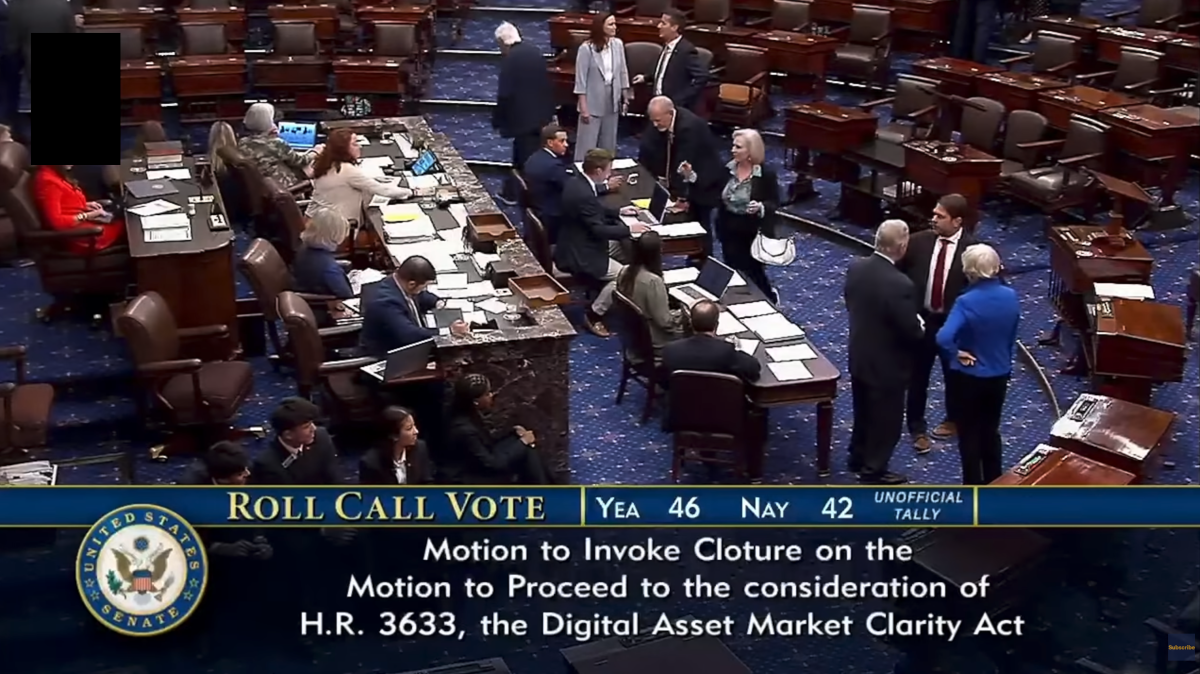
The Collapse of the Clarity Act: A Major Setback for the Crypto Industry
After significant lobbying efforts and substantial financial contributions to support pro-cryptocurrency politicians, the anticipated Clarity Act met its demise during a crucial procedural vote in Congress. The proposed legislation aimed to establish a clear regulatory framework for the cryptocurrency market, yet ultimately failed to secure the 60 votes necessary to proceed. Despite earlier successes such as the passage of the Genius Act, aimed at stabilizing coin regulations, the Clarity Act was viewed as a foundational pillar for the industry—one that would secure deregulatory measures while providing legitimacy to crypto operations.
Understanding the Clarity Act’s Intentions
Critics argued that the Clarity Act was misnamed, claiming it offered no genuine clarity in regulatory terms—rather, it sought to exempt cryptocurrencies from the scrutiny typically applied to conventional financial products. With former President Trump having reshaped regulatory agencies, diminishing their oversight capabilities, the passage of this legislation was seen as a way to permanently solidify these deregulatory changes. The eventual collapse of the bill prevents further entrenchment of these loosening regulations, a development met with relief by some financial watchdogs.
Political Dynamics in Congress
The failure of the Clarity Act can be attributed to a partisan standoff. Republican leaders had advanced the bill with minimal concessions to their Democratic counterparts. Democrats proposed last-minute amendments intended to impose stricter regulations on crypto—specifically targeting the participation of elected officials in digital currency promotions—only to have these recommendations swiftly rejected. This culminated in a unanimous Democratic opposition to the final cloture, even from Senator Kirsten Gillibrand (NY), who has long supported crypto initiatives.
This moment highlighted an erosion of bipartisanship as the clock ran down on the legislative session. Republican senators had previously been reluctant to share the draft bill with their Democratic colleagues, thus stifling collaboration. Notably, dissenting votes among Republicans, including Senators Josh Hawley (R-MO) and Susan Collins (R-ME), further complicated the bill’s passing, reflecting internal party divisions over the implications for community banks and their reliance on local agricultural loans.
The Fallout and Blame Game
In the wake of the bill’s failure, politicians are engaging in a blame game. Senator Tim Scott (R-SC) asserted that Democrats were responsible for the demise of the Clarity Act, emphasizing that they squandered an opportunity to help the American public. Meanwhile, some Democrats criticized Republicans for ignoring ethical concerns related to the proposal, asserting that the failure stemmed from a lack of accountability regarding Trump’s financial dealings. Industry figures, including Coinbase CEO Brian Armstrong, have also faced scrutiny for their withdrawal of support, which some think may have stalled the bill’s progress.
Response from Regulatory Bodies
Even with the Clarity Act’s collapse, the Commodity Futures Trading Commission (CFTC) and Securities and Exchange Commission (SEC) have assured the crypto sector of their commitment to a supportive regulatory environment. The CFTC has submitted a proposed rule aimed at regulating crypto asset markets, while the SEC introduced what it calls the “Innovation Exemption,” allowing certain trading platforms to operate without being classified as exchanges, thus dodging some regulatory requirements. Critics of this move argue it undermines investor protections and echoes past deficiencies in financial oversight.
Legal Challenges and Developments in Cryptocurrency
FTX and Legal Maneuvering
In separate legal developments, former FTX CEO Sam Bankman-Fried has sought to bring his case before the Supreme Court after losing an appeal regarding charges of fraud. Despite a difficult path ahead, he continues to maintain that once jurors understand the eventual appreciation of FTX’s assets, he could receive a favorable ruling.
Binance and Investigations
In another significant turn, Binance has withdrawn a defamation lawsuit against the Wall Street Journal, coincidentally as the Department of Justice investigates its compliance regarding sanctions against Iran. The outcome of this inquiry remains to be seen as it probes whether Binance helped customers avoid sanctions.
Political Influence and Election Dynamics
The aftermath of the Clarity Act’s failure places the crypto industry’s considerable political spending power under scrutiny. Groups like the Fairshake super PAC plan substantial expenditures against politicians opposed to crypto legislation, illustrating a pushback against the Democrats who played a pivotal role in thwarting the bill. The industry’s attempts to leverage its political clout coincide with the evolving landscape of cryptocurrency regulation, setting the stage for future electoral battles.
Conclusion
The collapse of the Clarity Act underscores the complexities entangled within cryptocurrency regulation and the intricate relationships between industry and politics. As regulatory agencies forge ahead with their own initiatives, the implications for both cryptocurrency companies and regulators will continue to be closely monitored.
For more details on ongoing legislation and industry developments, visit Citation Needed.
