

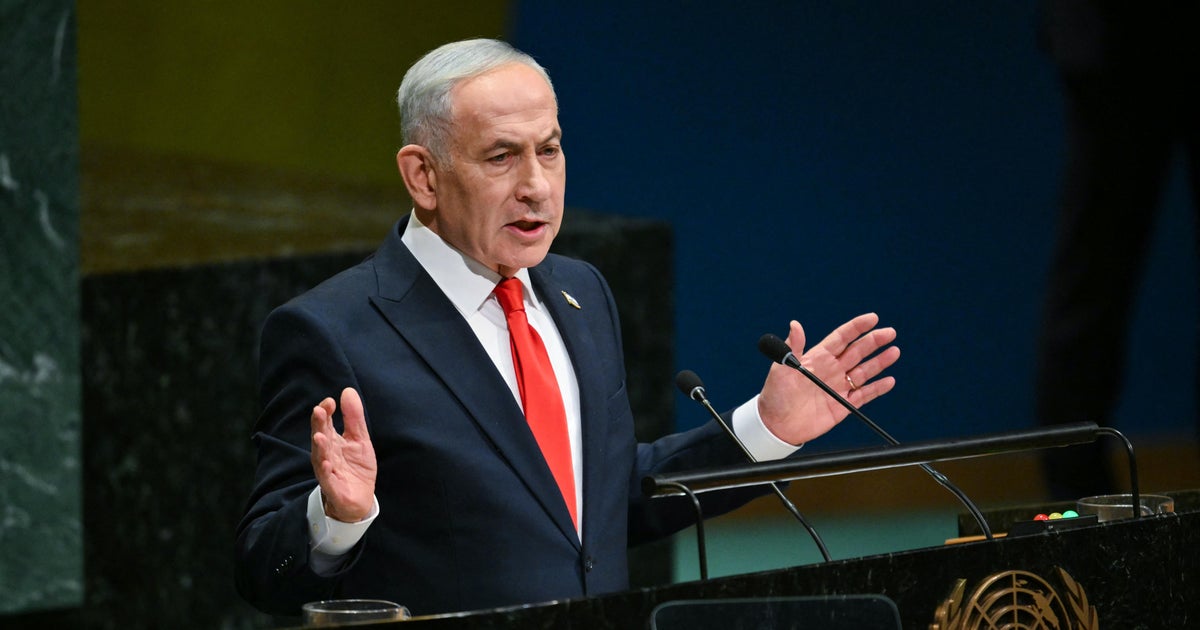
Netanyahu Addresses UN Amid Protests and International Criticism
On Thursday, Israeli Prime Minister Benjamin Netanyahu delivered a speech at the United Nations General Assembly in New York, a gathering marked by significant protests and vocal condemnation from numerous global leaders regarding Israel’s policies in the Gaza Strip and the occupied West Bank. As he began his address, many attendees walked out in protest.
Key Events from the Address
Netanyahu’s opening remarks were provocative, urging remaining attendees to leave if they identified as “moral cowards.” His visit was notably brief, arriving early on Thursday and scheduled to depart shortly after his speech, likely due to the Jewish holiday of Sukkot starting Friday evening.
During the assembly, a number of leaders from Europe and the Middle East—including representatives from France, the UK, Jordan, and Turkey—used their time at the podium to criticize Israel’s military actions, particularly in light of the ongoing conflict with Hamas.
Middle East Context
Amid the backdrop of the October 7, 2023, Hamas-led terrorist attack, Netanyahu claimed that Israel had “risen and fought like lions,” contrasting that narrative with earlier predictions of collapse. He stated, “With our great American friends, we crushed Iran’s army, navy, air force and nuclear facilities,” and expressed unwavering resolve, telling the audience, “We will continue to defend our state. We will continue to win because we have no other choice.”
Although Netanyahu’s office announced meetings with various Latin American leaders, he notably did not plan to meet with former President Donald Trump during this visit, which was unusual given his history of leveraging these trips for diplomacy.
Response to Local Criticism
The Prime Minister also took time to address New York City Mayor Zohran Mamdani’s recent criticisms, which branded him as a “war criminal.” Netanyahu promised to “tell the truth about” Mamdani in his speech, accusing him of spreading misinformation about Jewish people and labeling him as “antisemitic.” He asserted, “You falsely, repeatedly accuse Israel of genocide. Israel didn’t commit genocide. Israel prevented genocide.”
Mamdani had previously threatened to have authorities act on an arrest warrant issued by the International Criminal Court against Netanyahu, though he later acknowledged the impracticality of such an action.
International Reactions
Netanyahu’s speech occurred after several speeches condemning Israeli policies. British Prime Minister Andy Burnham denounced the scale of Israel’s military response to the Hamas attack, stating, “Far too many people have died—including so many children. Far too little aid is getting in, and it has gone on for far too long.” French President Emmanuel Macron echoed these sentiments, criticizing daily violations in the West Bank and questioning the justification for Israel’s actions there.
Reacting to Macron’s remarks, Netanyahu called his claims “grotesque absurdity,” pointing to a recent attack attributed to Hamas that killed a French citizen. Furthermore, King Abdullah of Jordan called for sanctions against Israel, indicating a strong stance for accountability from the international community.
Conclusion
The events surrounding Netanyahu’s speech at the U.N. highlighted the increasing international scrutiny of Israel’s actions, emphasizing the profound diplomatic challenges the country faces amid its ongoing regional conflicts. With rising tensions, Netanyahu’s assertions and the international backlash illustrate the complexities of navigating foreign policy in a divided geopolitical landscape.
