


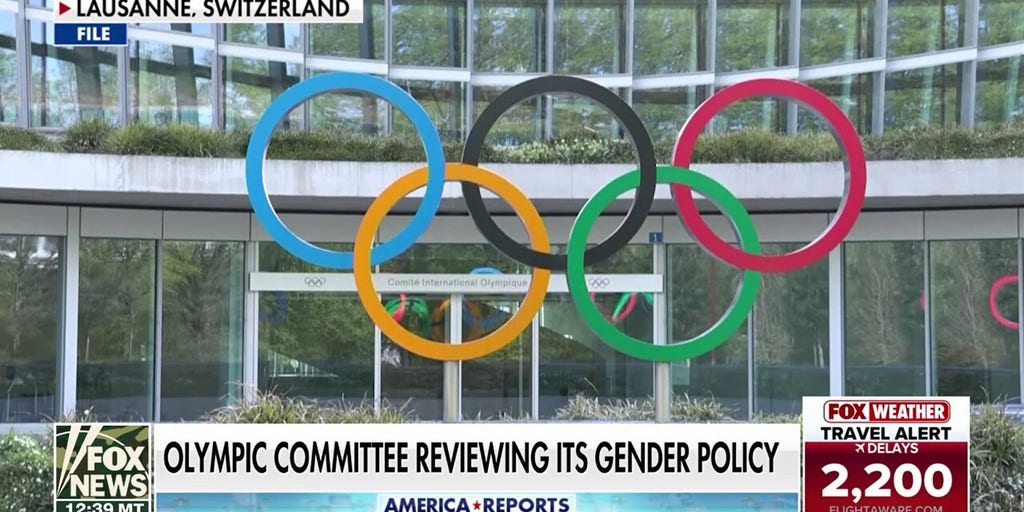
International Olympic Committee’s Position on Transgender Athletes
Context of the Discussion
Recent decisions by the International Olympic Committee (IOC) regarding the participation of transgender athletes in women’s sports have generated substantial discussion. As societal attitudes evolve, governing bodies are tasked with balancing inclusivity and competitive fairness.
Current Guidelines
The IOC’s current framework permits transgender women to compete in women’s events, provided they demonstrate that their testosterone levels have been below a specified threshold for a minimum of 12 months before competition. This approach aims to create a more inclusive environment while addressing concerns about competitive equity.
- Transgender women must maintain testosterone levels below 10 nmol/L.
- Requirements emphasize a 12-month period for transitioning before competition eligibility.
Reactions to the Guidelines
The introduction of these rules has sparked diverse opinions among athletes, coaches, and scientists. Proponents assert that the guidelines are necessary for inclusivity, allowing all athletes the opportunity to compete based on their gender identity. Conversely, critics raise concerns about the potential advantages transgender women may possess, impacting the integrity of women’s sports.
Implications for Future Events
As the IOC prepares for upcoming Olympic Games, the implications of these guidelines will be monitored closely by various stakeholders. The ongoing dialogue will likely influence future policy adjustments and the broader acceptance of transgender athletes across different sporting events.
