

Examining Portland’s Significant Legacy in Women’s Sports
Emily Hamilton, a producer-reporter for OPB and lifelong resident of the Portland area, reflects on the profound importance of understanding the history of women’s sports in a city that many consider a global hub for female athletics.
Portland is often hailed as the epicenter of women’s sports, a sentiment echoed in conversations surrounding the revival of the city’s WNBA team, the Fire. Yet, the history of women’s sports in Portland stretches impressively deep, offering more complexity than many enthusiasts, including Hamilton herself, initially recognize.
A Personal Journey Through Sports
Growing up in the suburbs of Portland, Hamilton participated in various sports such as soccer, basketball, track, and cross country. Her involvement in athletics was shaped by a family legacy of coaching and athleticism, fostering a sense of community and resilience. Dressed as an Olympian for Halloween in sixth grade, her identity as an athlete began to take root, significantly influencing her development.
Historic Milestones in Women’s Sports
In the late 1930s, Portland’s groundbreaking efforts began with Dorothea Lensch, the city’s Recreation Director, who advocated for the inclusion of girls and women in sports. Her vision was pivotal at a time when few women held positions of authority in sports.
The Florists, a championship softball team that emerged in 1938, epitomized this growing acceptance and enthusiasm for women’s sports. For nearly three decades, they not only dominated the softball scene but also instilled a sense of pride within the community that continued for generations.
By the 1970s, the Lavender Menace made headlines as one of the first openly gay softball teams in the United States, challenging stereotypes and breaking down barriers within the sports community.
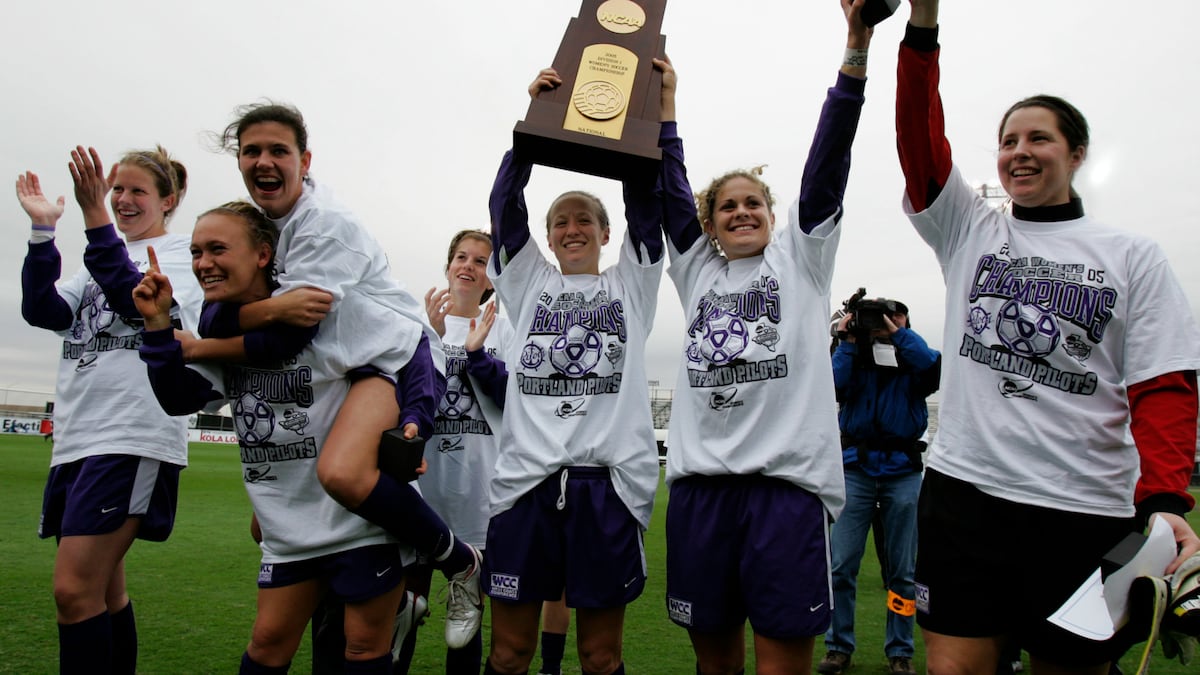
The arrival of the 1990s and 2000s ushered in a new chapter with the University of Portland women’s soccer team clinching national championships and setting NCAA attendance records, further cementing the city’s reputation in the sports arena.
The Rise of the Thorns and Changing Perceptions
In 2013, the establishment of the Portland Thorns and the supportive Rose City Riveters transformed the dynamics of women’s sports not only in Portland but also globally. This celebrated team and its dedicated fan group altered the landscape of women’s athletics, enhancing visibility and recognition.
Portland’s contributions extend beyond sports achievements, encompassing vital connections to Title IX legislation, significant queer history, and the establishment of the world’s first bar solely dedicated to women’s sports—a testament to the city’s innovative spirit.
Conclusion
The development of women’s sports in Portland showcases an intricate tapestry of dedication and perseverance that has shaped contemporary athletics. Hamilton’s exploration reveals that current opportunities for female athletes were paved by the commitment of those who came before, including many Portlanders who inspired her journey as an athlete.
As we reflect on this rich history, it becomes evident that the world of women’s sports today owes a great deal to the foundations built in Portland.
Note: The language utilized in this discussion reflects evolving identities within the LGBTQIA+ community. Terms such as “gay” and “queer” serve as overarching descriptions for historical groups in Portland’s diverse community.
