


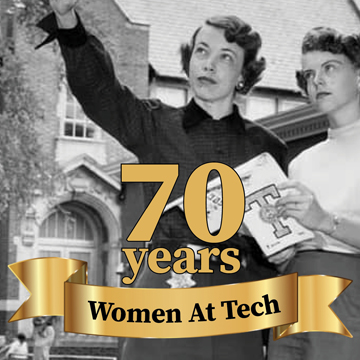
Celebrating 70 Years of Women’s Enrollment at Georgia Tech
Georgia Tech stands as a beacon of inclusive engineering education, with female students representing a significant portion of its community. Currently, 40% of undergraduates are women, and women graduating from the Institute’s engineering programs surpass those from any other institution nationally. The incoming class of 2022 boasts an impressive 42% female enrollment.
A Historical Perspective
To fully appreciate the Institute’s progress, it’s crucial to recognize its historical context. For the first 67 years of its establishment, women were excluded from full-time academic programs. This year commemorates a pivotal milestone: the 70th anniversary of women’s admission to Georgia Tech.
The Early Years: Exclusivity in Education
Founded in 1888, the Georgia School of Technology initially focused exclusively on providing industrial education for men. In the following decades, women began to enter the community in professional and clerical roles, including positions in the library and various campus offices.
Women were first allowed into the Evening School of Commerce in 1913 and later into the Evening School of Applied Sciences in 1920, paving the way for greater access to education.
Trailblazers: Pioneering Women in Education
Annie Teitlebaum Wise made history as the first woman to graduate from Georgia Tech, earning her degree from the School of Commerce in 1919. Under the leadership of Blake Van Leer, the fifth president of Tech, advocacy for women’s involvement in engineering education gained momentum.
Blake Van Leer and his family were devoted to promoting coeducation. His wife, Ella Wall Van Leer, a graduate of the University of California’s School of Architecture, alongside his daughter, Maryly, who obtained a degree in chemical engineering, supported this vision.
Advocacy and Change
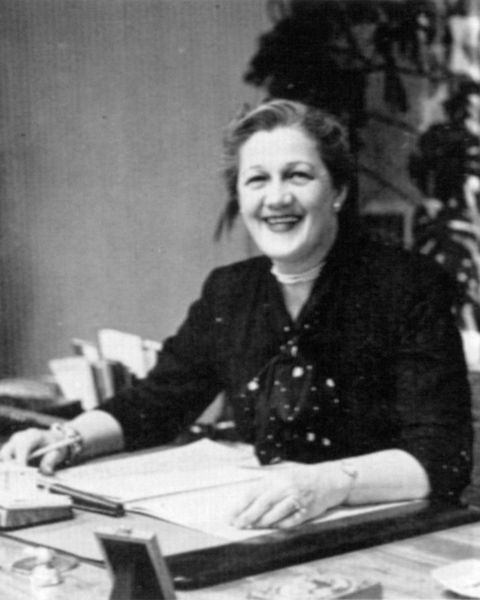
In collaboration with Dorothy Murray Crosland, the dedicated library director, they mobilized support for coeducation over three years. Their efforts, which included garnering backing from local women’s organizations and the Women’s Chamber of Commerce in Atlanta, culminated in a formal petition to the Board of Regents.
By April 9, 1952, the Regents voted narrowly, 7 to 5, to permit full-time admission of women. This historic decision saw Elizabeth Herndon and Barbara Diane Michel become the first full-time female students at Georgia Tech.
Looking Forward
As Georgia Tech celebrates its commitment to inclusivity and progress, the achievements of women in engineering and academia continue to shape the future of the Institute. The journey from exclusion to empowerment underscores the importance of diversity in fostering innovation and excellence in education.
