


Empowering Female Entrepreneurs in the UK Economy
The Need for Economic Growth
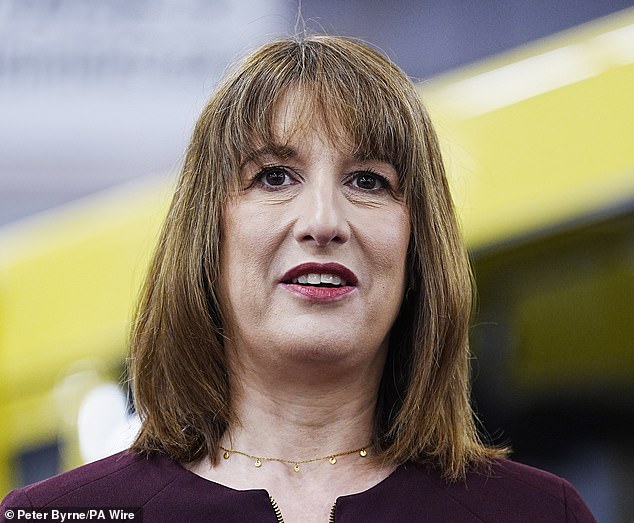
As the UK grapples with rising national debt and increased taxation, Chancellor Rachel Reeves emphasizes the urgency for economic growth. Her focus on enhancing the economy comes amid concerns regarding the sustainability of current welfare provisions.
The Untapped Potential of Female Entrepreneurs
One significant source of potential growth lies within the realm of female entrepreneurship. Research from the Invest in Women Taskforce suggests that if women established and scaled businesses at the same rate as their male counterparts, it could inject up to £250 billion into the economy.
Challenges Facing Female Founders
Despite the potential, many female entrepreneurs face substantial barriers. Although banks have made strides towards equitable loan practices, a daunting issue persists: access to capital. Female-led businesses accounted for just 1.8% of equity investment in the first half of last year, a decrease from 2.5% the previous year, demonstrating a troubling trend in funding opportunities for women.
Role of Female Investors
Interestingly, female investors are more inclined to support women-led firms, highlighting a crucial gap in available female investors within the venture capital and private equity sectors. The Invest in Women Taskforce aims to address this imbalance by promoting more female ‘angel’ investors, who are pivotal in funding early-stage companies.
New Initiatives and Funding Opportunities
To further support female entrepreneurs, the taskforce is launching a ‘Women Backing Women’ fund designed to channel investments into female-led enterprises. Additionally, the British Growth Fund (BGF) has pledged £300 million to this initiative to aid in bridging the funding gap.
Progress in Female Representation
Over the past decade, initiatives aimed at increasing women’s representation in company boardrooms have shown progress. While achieving parity remains a challenge, notable female CEOs have emerged in the FTSE 100, including Amanda Blanc of Aviva and Emma Walmsley of GSK.
The Importance of Inclusivity in Tech and Innovation
However, the underrepresentation of women in sectors like technology and artificial intelligence raises concerns that future innovations may primarily reflect male perspectives. Investing in women’s businesses transcends issues of inclusion; it is fundamentally about optimizing talent and expanding investment opportunities.
Challenges Within Policy Frameworks
While Chancellor Reeves has expressed her support for the taskforce, some of her policy decisions appear counterproductive for entrepreneurial growth. For example, increasing National Insurance Contributions for employers could hinder hiring, disproportionately impacting women who are prevalent in sectors such as retail.
Conclusion
As the UK looks to invigorate its economy, the journey toward supporting and empowering female entrepreneurs remains critical. Striking a balance between public sector needs and the aspirations of wealth-creating entrepreneurs can redefine economic prospects and foster a more inclusive business landscape.
