


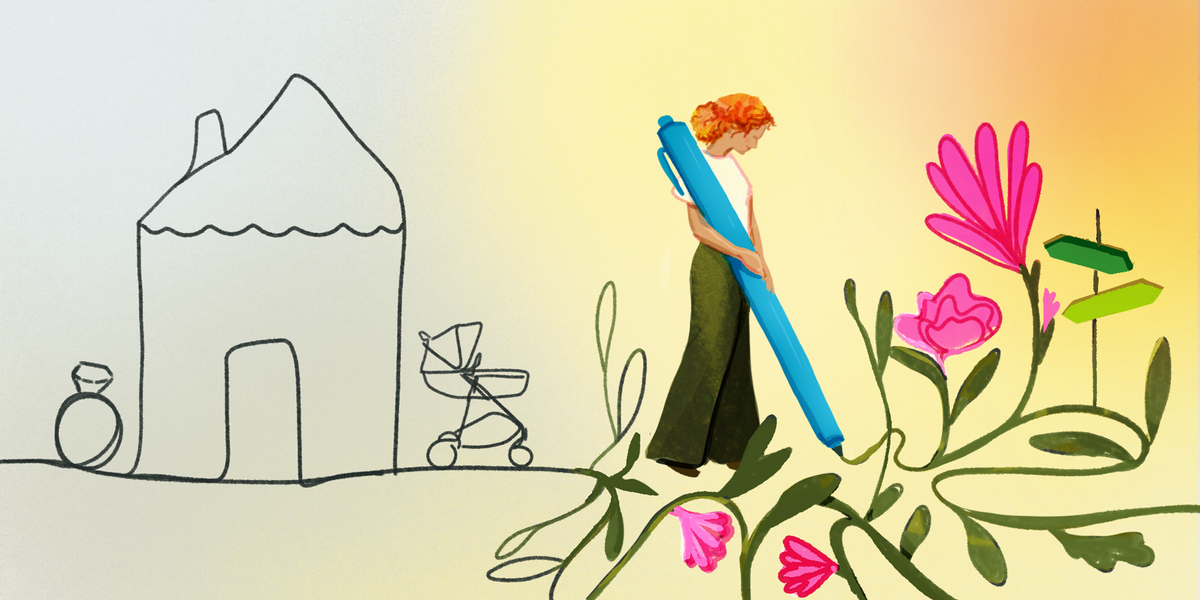
Redefining Women’s Roles in Society and Relationships
Throughout history, societal expectations have shaped women’s roles significantly, often assigning them nurturing and supportive positions from a young age. Despite the fact that nearly 45% of marriages in the U.S. end in divorce, girls are still often raised with the belief in a lasting, perfect union. They are subtly taught to prioritize the needs of others, leading to an imbalance in personal and professional contexts.
The Workplace Dynamic
In professional environments, many women display confidence and competence. However, studies reveal a common tendency for women to diminish their authenticity, especially in the presence of men. This behavior often stems from societal norms that value compliance and accommodate rather than assertiveness and individuality.
The Impact of Conditioning
“Many girls learn to read a room long before they learn to read themselves.”
This conditioning creates a paradigm in which women feel compelled to be chosen rather than to actively choose their paths. Such narratives underscore a relentless pursuit of societal ideals like beauty and perfection, subsequently influencing a woman’s perceived worth and emotional fulfillment.
Shifting Perspectives on Relationships
Recent trends indicate a notable shift in how women view marriage and relationships. As women increasingly opt out of traditional timelines and societal expectations, they engage in conversations that challenge long-held beliefs about partnership and companionship. Research from the Pew Research Center shows that only 34% of single women are actively seeking relationships, in contrast to 54% of single men. This shift signals an evolution in how women assess their romantic lives, prioritizing discernment over desperation.
Emotional Labor and Divorce Rates
Statistics illustrate that women often bear the brunt of emotional labor in relationships. They are almost twice as likely as men to pursue therapies and engaging in emotional growth activities. The consequence of this dynamic is severe; nearly 70% of divorces are instigated by women, highlighting their exhaustion from carrying the emotional burden alone.
Concerns over Reproductive Timelines
A significant aspect influencing women’s relationships is the societal pressure regarding reproduction. The urgency to “lock in” a partner before fertility declines leads many women to settle for what is deemed “good enough” rather than pursuing genuinely fulfilling relationships. Increasingly, women are choosing single parenthood through avenues such as IUI and IVF, signaling a departure from traditional partnership sequences.
The New Empowerment Narrative
Recent findings indicate that single women experience higher life satisfaction than their single male counterparts, representing a departure from the stereotype of the desperate single woman. Women are beginning to recognize the importance of self-fulfillment over societal approval. One individual reflected on her experience post-divorce, stating that the unexpected peace of independence showed her how much of her life was previously focused on managing someone else’s needs.
“We are living through a moment of quiet refusal, a steady unraveling of roles we never truly wanted.”
Conclusion: A New Chapter
This shift in perspective among women is not merely a trend or a fleeting phase; it represents a deeper rewriting of life scripts. For many, it means reclaiming agency and redefining what it means to lead meaningful lives, paving the way for future generations.
Written by Jillian Sanders, a Denver-based writer. For more insights, visit her website.
