


Strength Training in Your 30s: Building a Foundation for Longevity
Entering your 30s often means facing new responsibilities and a busier schedule, which can make it challenging to prioritize personal fitness routines. However, this decade is an excellent time to solidify a consistent strength training regimen that will serve you well throughout your life.
The Importance of Strength Training at 30
According to Gabrielle Savary, a certified personal trainer and fitness coach, your 30s present a unique opportunity to “future-proof” your body. Proper strength training now can ease daily activities—like playing with your children or moving heavy furniture—and influence your strength well into older age.
At this stage in life, individuals begin to experience a gradual decline in muscle and bone mass—particularly notable for women, who can lose 3-5% of muscle mass each decade after 30. Engaging in strength training is one of the most effective strategies to slow this process.
Six Essential Strength Exercises for Your 30s
Gabrielle Savary has identified six crucial strength training exercises that everyone in their 30s should master:
- Romanian Deadlift (RDL)
How to Perform: Stand hip-width apart, holding dumbbells. Keep a slight bend in your knees, hinge at your hips, and lower the weights along your legs while keeping your back straight. Pause at the bottom and drive through your heels to return to standing.
Benefits: This exercise promotes spine loading, essential for maintaining bone density and effectively works your back and hamstrings.
- Split Squat
How to Perform: Position one foot forward and the other behind you. Lower your body until both knees form 90-degree angles, then return to standing.
Benefits: This targets unilateral leg strength, stability, and balance, contributing to overall muscle growth.
- Farmer’s Carry
How to Perform: Hold dumbbells at your sides, engage your core, and walk a set distance, maintaining a strong grip and upright posture.
Benefits: Enhances grip strength, which is linked to better bone health and lower risks of chronic conditions.
- Glute Bridge March
How to Perform: Lying on your back, lift into a glute bridge and alternate raising legs while keeping your pelvis stable.
Benefits: Helps maintain pelvic floor strength, which is crucial for urinary health.
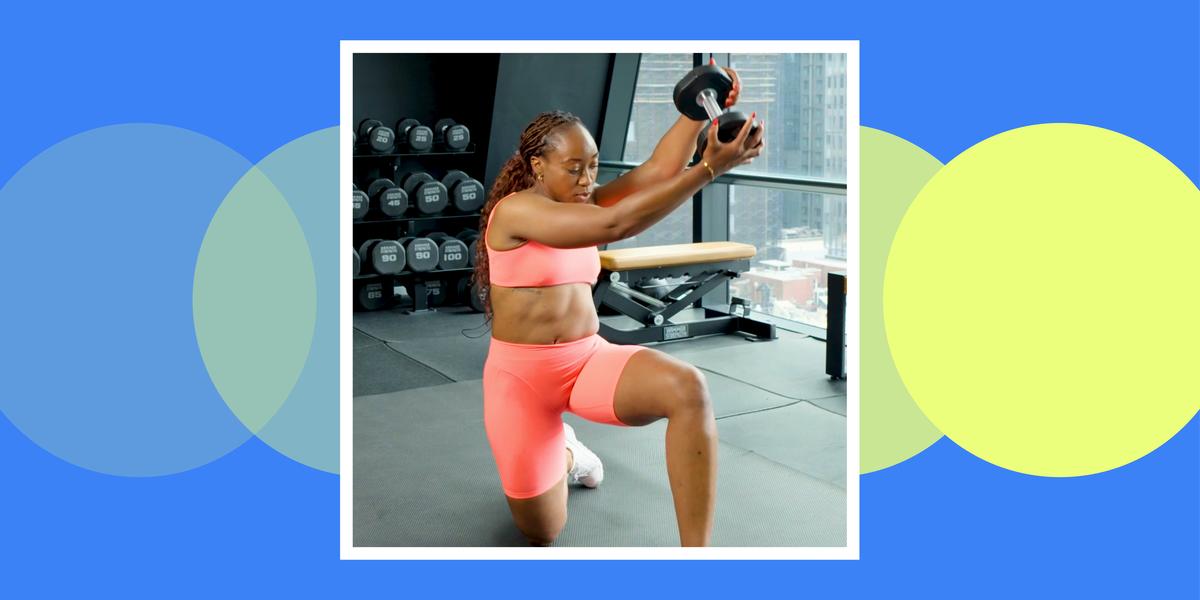
- Wood Chop
How to Perform: Kneel on one knee while holding a dumbbell. Rotate your torso to lift the weight upward diagonally, then lower it back.
Benefits: This movement develops rotational strength and spinal stability, important for everyday activities.
- Push-Up
How to Perform: Begin in a high plank position and lower your body until your chest is just above the ground, then push back up.
Benefits: A compound movement that builds upper body strength and has been associated with cardiovascular health.
Creating a Workout Routine
To effectively integrate these exercises into your training, aim for 8-15 repetitions for each move, moving through all six exercises. For a complete workout, repeat this circuit 2-3 times, allowing for rest as needed.
Conclusion
Your 30s are formative years for establishing a strong foundation for future physical health. By incorporating these essential strength training exercises, you can enhance your overall well-being, making daily life easier and promoting longevity.
For tailored advice, consider consulting a fitness professional or joining a class to ensure you’re using the proper form and techniques.
